





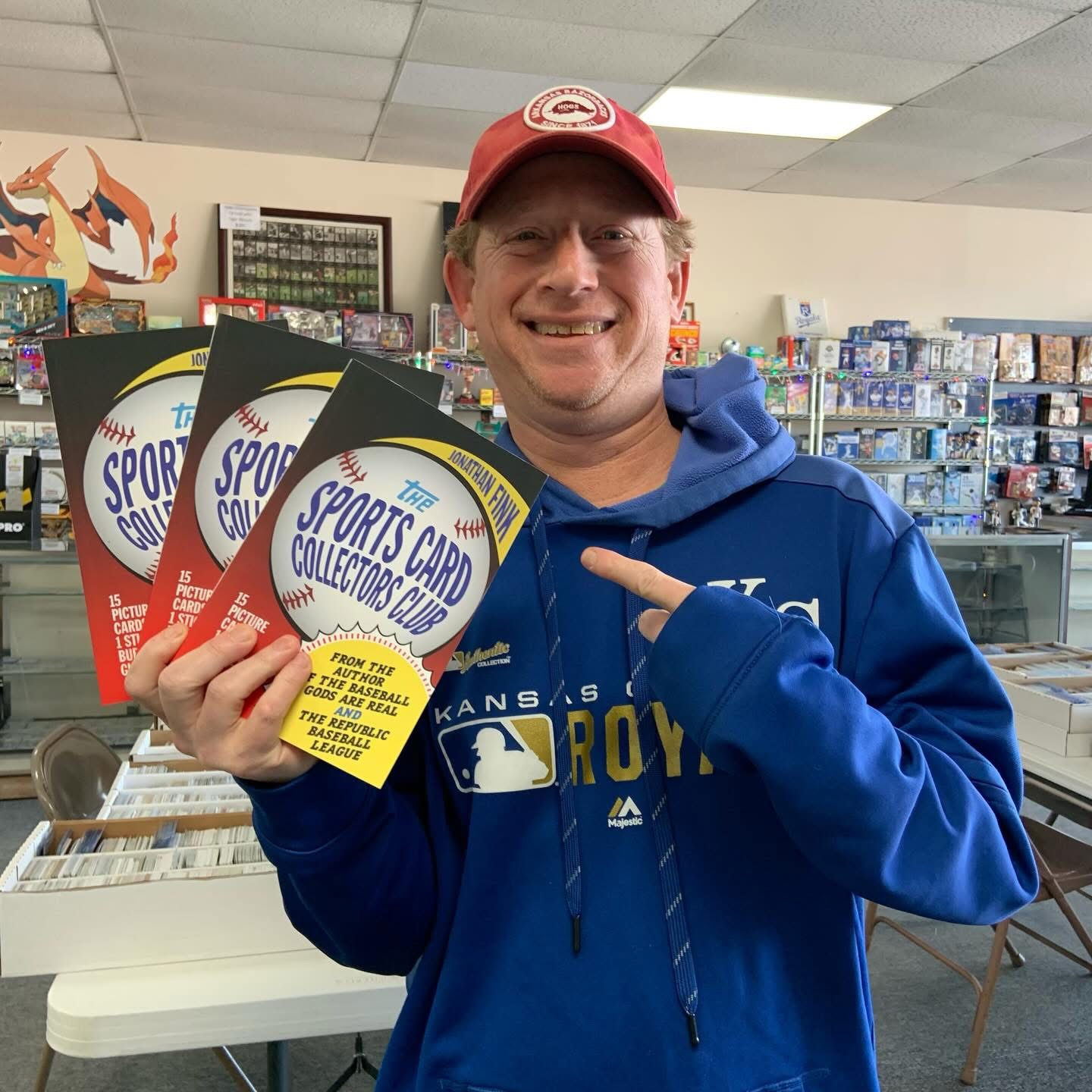
Today we’d like to introduce you to Jonathan Fink.
Hi Jonathan, so excited to have you with us today. What can you tell us about your story?
My journey as an author began in 2018 with the publication of my first book, The Baseball Gods Are Real. It was a memoir about baseball, spirituality, and personal transformation, chronicling my experiences working in the music industry, later becoming a financial advisor, and eventually finding my calling as a writer.
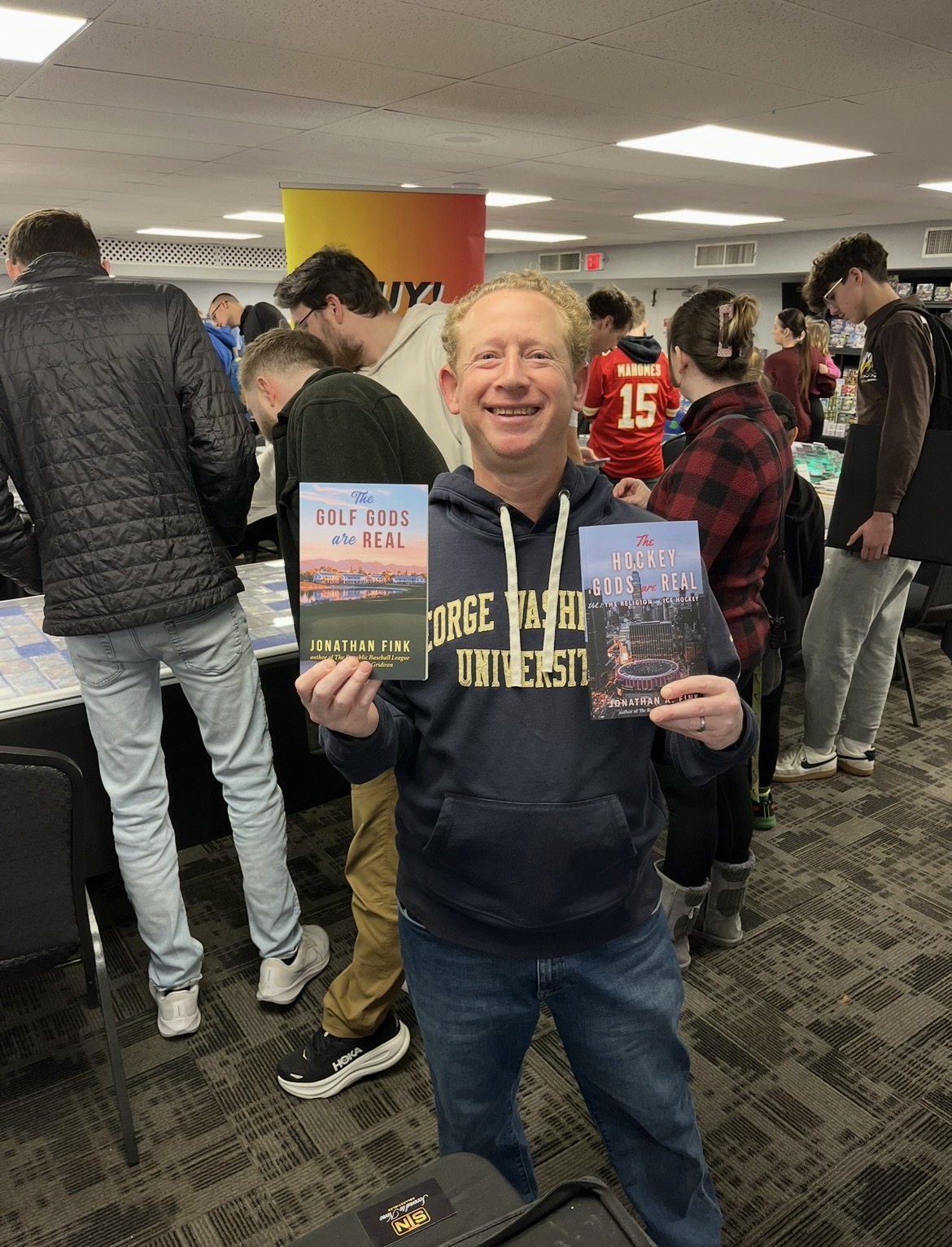
That first book opened the door to a much larger creative vision. I expanded the concept into additional series including The Music Gods Are Real trilogy, followed by The Football Gods Are Real, The Hockey Gods Are Real, and The Golf Gods Are Real. The Pokemon Gods Are Real is scheduled for release next year. My goal became building a broader “Gods Are Real” franchise that explores the deeper emotional, spiritual, and cultural connections people have with sports, music, and collecting.
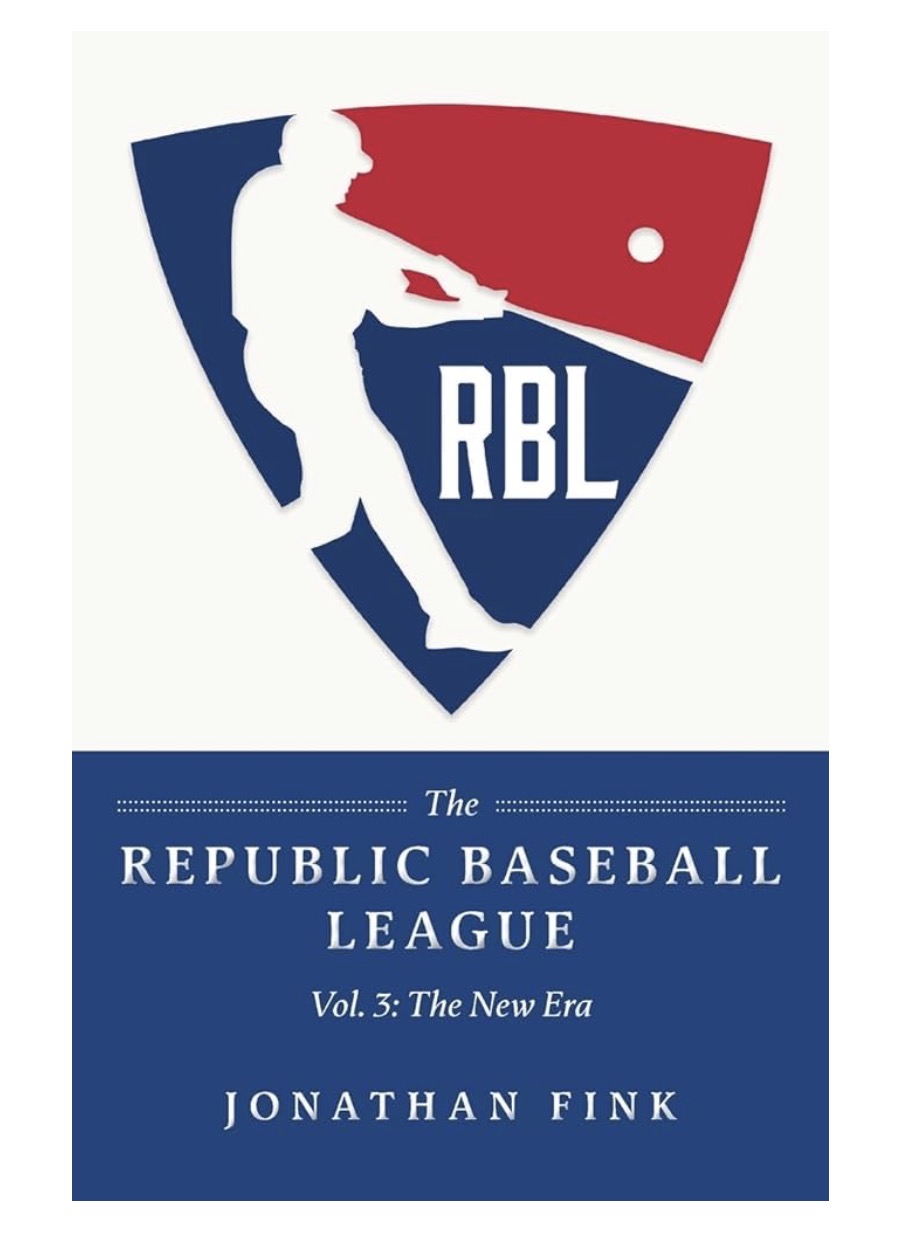
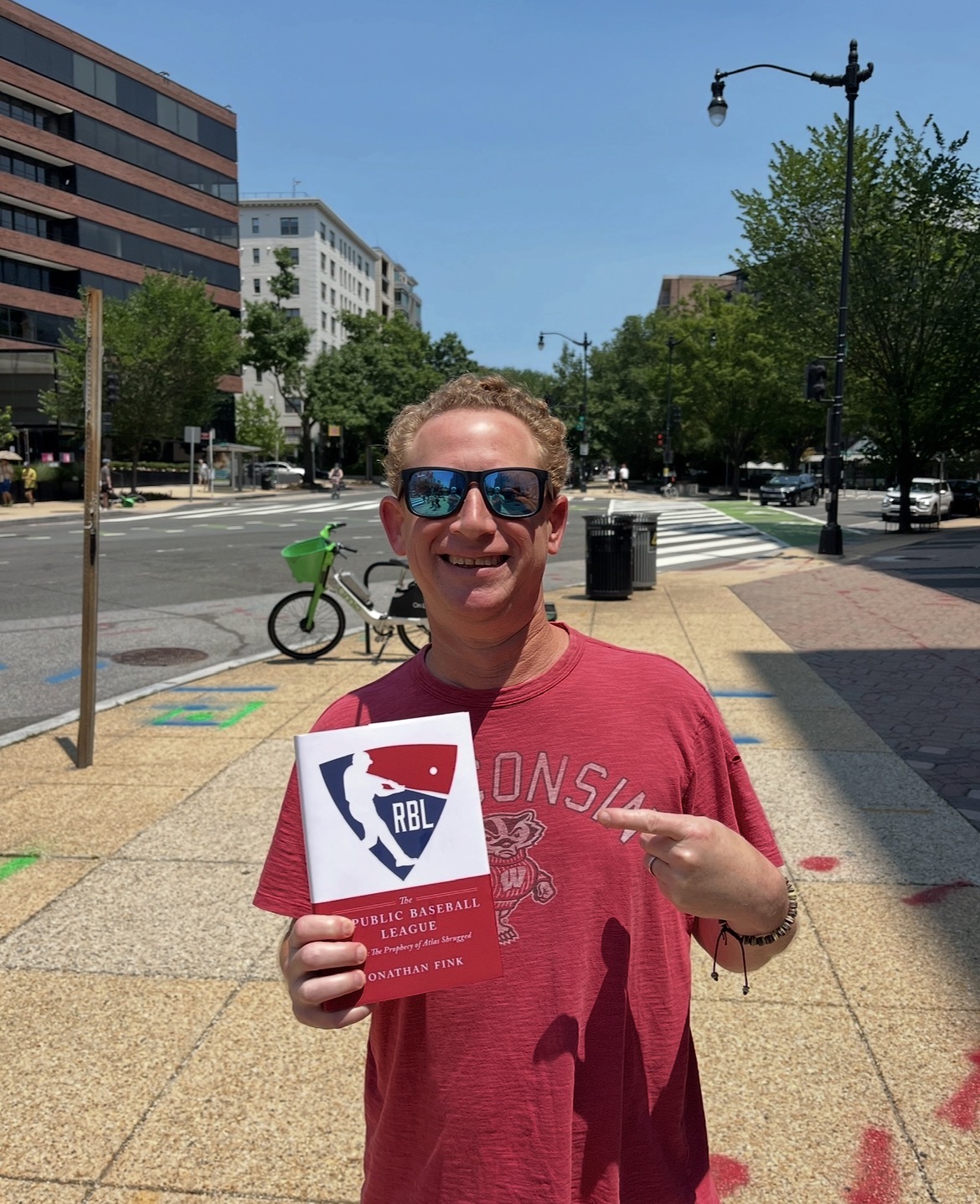
From there, I shifted into fiction and created a character named Professor Kevin Dempsey, a political economy professor at the University of Missouri–Kansas City who is obsessed with geopolitics, baseball economics, and sports cards. Much of the storyline takes place inside a Kansas City card shop called The Barbershop. That world became the foundation for my Republic Baseball League trilogy, with Volumes 1 and 2 already released and Volume 3 coming out on July 4, 2026.
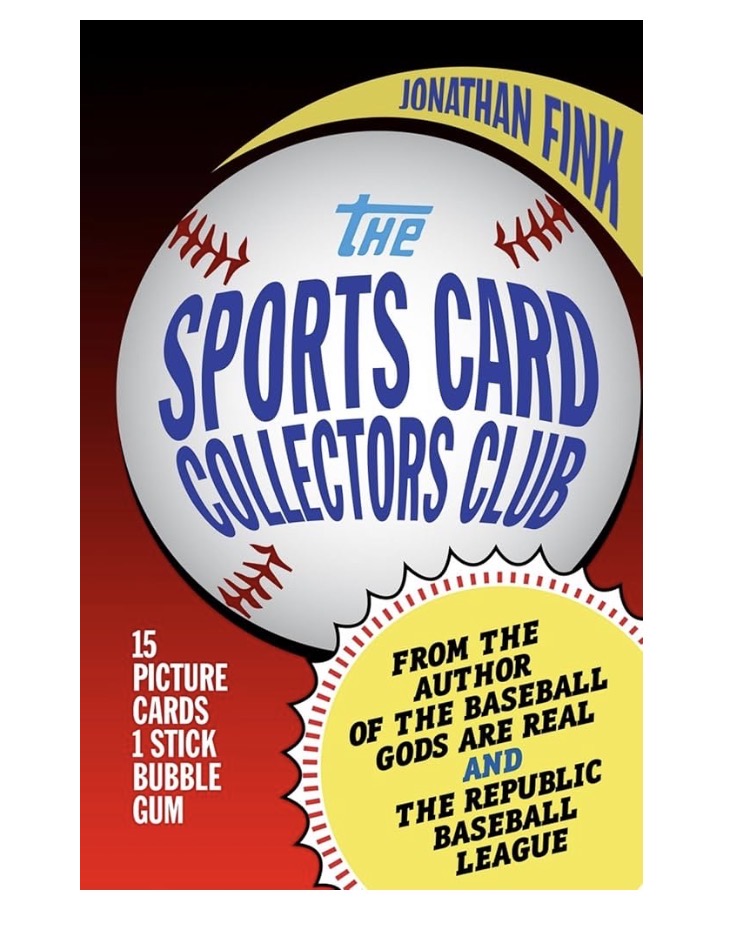
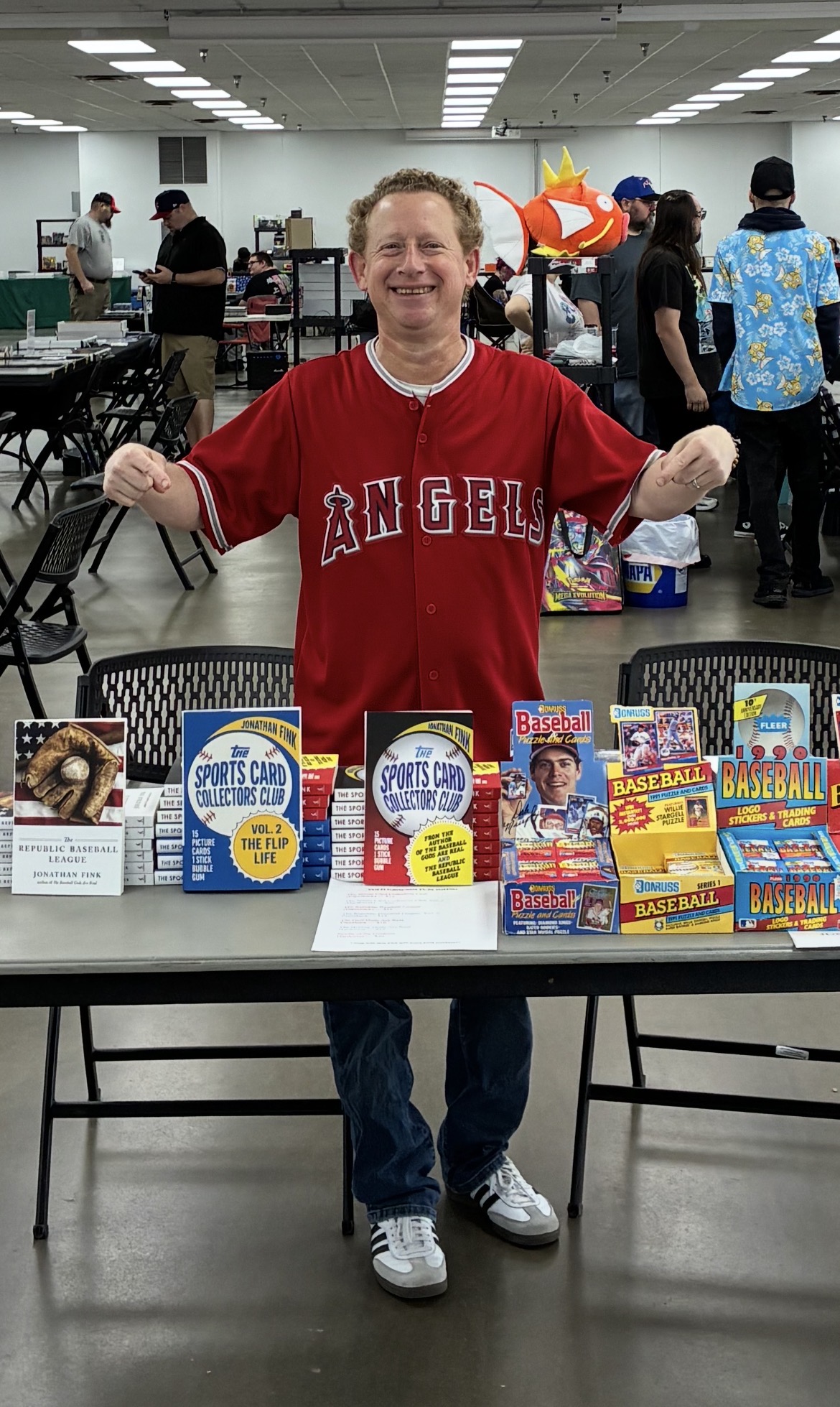
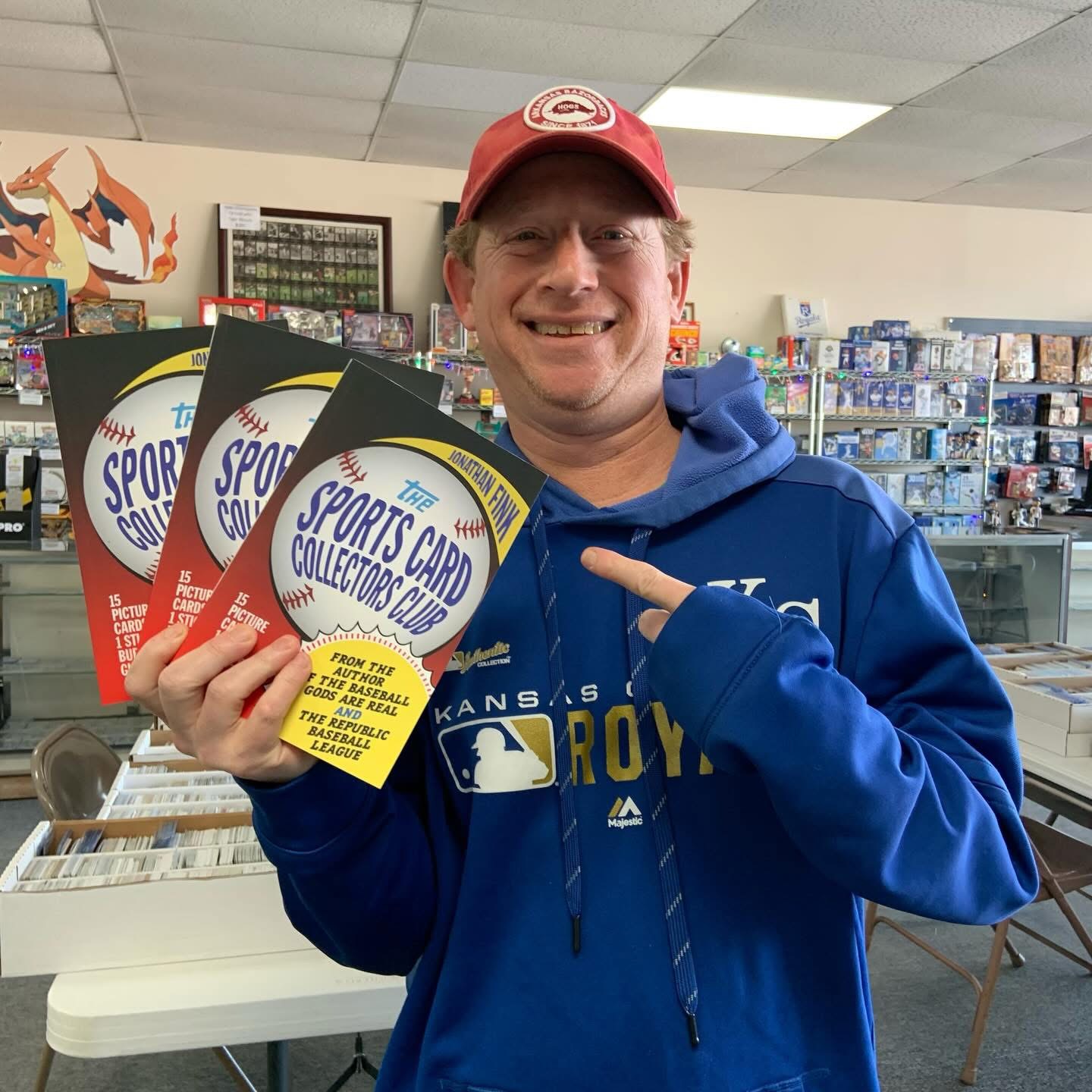
Creating Kevin Dempsey reignited my own passion for sports cards and inspired me to write The Sports Card Collectors Club. What began as a sports card investment book—using ideas from Warren Buffett, hedge funds, private equity, and lessons I learned during my 20 years as a financial advisor and through earning my master’s degree—eventually evolved into something much more personal. Halfway through writing the book, after watching an episode of The Card Life TV show, I realized I missed the joy of collecting itself: building sets, chasing cards, and reconnecting with the feeling I had as a kid.
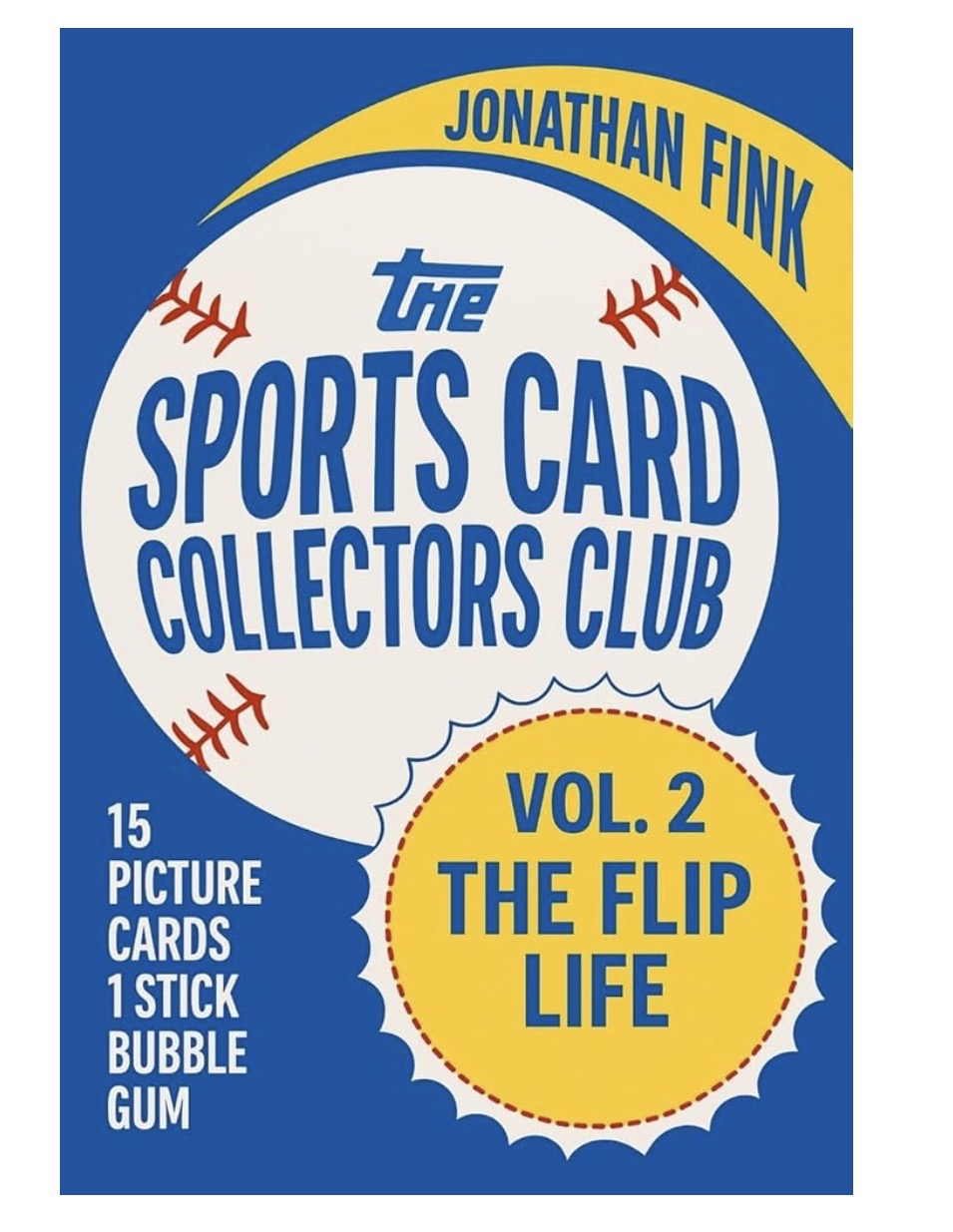
That realization shifted my focus from pure investing back toward collecting and community. In The Flip Life (Volume 2), I explored using eBay sales as a creative marketing platform for my books and brand. Then in The Card Life (Volume 3), the story evolved again as I transitioned from being a flipper into a podcast host, content creator, and card show vendor. I began producing pack-opening content on TikTok, YouTube, and X while building relationships throughout the hobby community.
Most recently, I created another fictional series called Spirits of the Gridiron, centered around the souls of the 1970 Wichita State football team plane crash returning to help fix modern college football and its current challenges involving NIL, the transfer portal, and conference realignment.
At the core of everything I create are themes of spirituality, investing, economics, storytelling, sports, and the emotional connections people form through hobbies and community.
I’m sure it wasn’t obstacle-free, but would you say the journey has been fairly smooth so far?
It definitely has not been a smooth road. Being an author today is challenging because we live in a world where attention spans are shrinking while entertainment options continue to grow exponentially through social media, streaming platforms, and the internet. Someone can choose to spend an hour reading a book, scrolling through TikTok, or binge-watching a Netflix series. Competing for people’s attention is one of the biggest challenges modern authors face.
One of my biggest struggles has been creating awareness for my books. I own my own publishing company, so I don’t have the benefit of a major publishing house, a large publicity budget, or a full marketing team behind me. Most of what I’ve built has come through grassroots and guerrilla-style marketing, which takes time, patience, and consistency.
In fact, I wrote about many of those struggles in The Sports Card Collectors Club: The Flip Life. That book documented my process of trying to figure out how to market both my books and myself creatively within the sports card hobby. Eventually, I started finding methods that worked, and once that momentum began building, more opportunities and doors started opening naturally.
I’ve also faced challenges on the publishing side itself. When you’re independent, you wear a lot of hats. There have been times when books were released and I later discovered typos or editing imperfections. Learning how to handle those setbacks, improve future editions, and continue moving forward without getting discouraged has been part of the process.
But overall, I’ve learned to embrace the journey. I’ve always believed the obstacles themselves can become stepping stones. The challenges have forced me to adapt, evolve creatively, and stay persistent, and in many ways those struggles helped shape the direction my career has taken today.
Appreciate you sharing that. What else should we know about what you do?
As an author, I specialize in blending spirituality, geopolitics, investing, economics, and sports into storytelling and media content. A lot of my work explores the emotional and spiritual side of sports and collecting, while also incorporating business, economics, and cultural commentary.
I’m probably best known for creating the fictional character Professor Kevin Dempsey, who became the centerpiece of my Republic Baseball League series. Over time, Kevin evolved into an alter ego for me online. I created social media accounts for the character and began using them not only to promote the books, but also to provide baseball scouting analysis on high school and college players. That audience grew organically, and today I have more than 10,000 followers, many of whom are college coaches and baseball people who respect my evaluations and opinions as a scout.
I’m also known for the concept of “Baseball Gods” and what people now call “Baseball God moments.” Ever since publishing The Baseball Gods Are Real in 2018, people have associated me with strange coincidences, miracles, curses, momentum shifts, and emotional moments in sports culture. For example, when wrestler Danhausen “uncursed” the New York Knicks this year and they went on an 11-game winning streak, people immediately tagged me online. Or when Mike Trout and Zach Neto were opening Pokémon cards before an Angels game, pulled a Charizard, and then Trout hit a home run in a win later that day, people called it a “Baseball God moment” and sent it to me. Over time, I’ve become connected with the idea that sports can sometimes feel bigger than statistics or logic.
Before becoming known as an author, I spent more than 26 years as a financial advisor, and that background still heavily influences my work. I’ve always had a different perspective than many traditional money managers because I’ve been drawn toward alternative asset classes like commodities, precious metals, and collectibles. That experience eventually helped shape my sports card books and my approach to viewing cards not just as collectibles, but also as cultural and economic assets.
What sets me apart is that I don’t fit neatly into one category. I combine fiction and nonfiction, spirituality and economics, sports culture and investing, while building interconnected stories and media platforms through books, podcasts, social media, television, and live events. Everything I create is connected by the idea that sports and collecting are ultimately about much more than wins, losses, or money—they’re about meaning, identity, community, and belief.
Is there something surprising that you feel even people who know you might not know about?
Most people may think the “Baseball Gods” concept is gimmicky or purely entertainment-based, but for me it came out of genuine spiritual searching and pattern recognition during a transformative period in my life. I really do believe in the baseball gods.
Contact Info:
- Instagram: scooterfink
- Facebook: Jonathan Fink
- LinkedIn: Jonathan Fink
- Twitter: scooterfink
- Youtube: sportscardcollectorsclub
- Other: sportscardcollectorsclub on Tik Tok