






Today we’d like to introduce you to Lizz Whitacre.
Alright, so thank you so much for sharing your story and insight with our readers. To kick things off, can you tell us a bit about how you got started?
My journey with animal welfare started before I even had the words for it. I grew up severely allergic to pets, and we weren’t allowed to have dogs or cats in the house, but when I was five or six, I checked out a library book about shelter animals and read the word “euthanasia” for the first time. I remember the exact feeling of realizing that not every animal got the happy adoption ending I’d assumed they all did. That was the moment I knew this was going to be my life’s work.
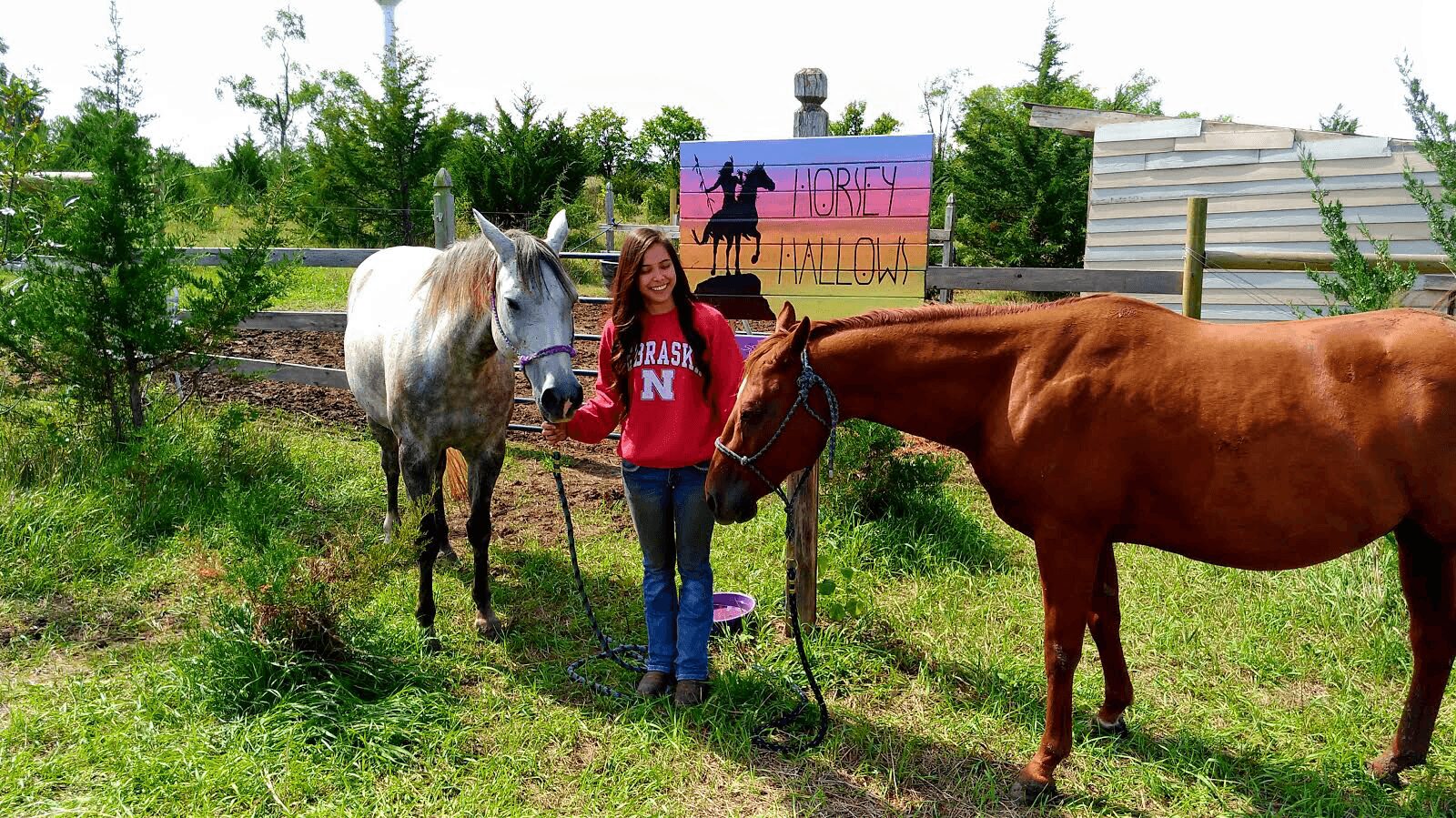
I spent high school volunteering at my local shelter, eventually taking over their marketing, fundraising, and large-dog programs and helping raise the money to keep their HVAC running. In college at the University of Nebraska–Lincoln, I started the No Kill Advocacy Club that grew to over 350 members, then launched my own foster-based rescue called Rescue Theory. I learned a lot, but I also learned that one person rescuing sixty animals a year wasn’t going to move the needle on a problem this big.
So I tried to scale. I attempted to open a nonprofit cat cafe in Lincoln and ran a very public campaign to raise $180,000. I raised $30,000. It was one of the most painful failures of my life. I genuinely believed no one would ever trust me with a venture again, but in retrospect it was the failure I needed. Around the same time, I was meeting computer science students through student government who started showing me what software could do at scale, and a lightbulb went on. Animal welfare didn’t need another scrappy nonprofit. It needed real infrastructure.
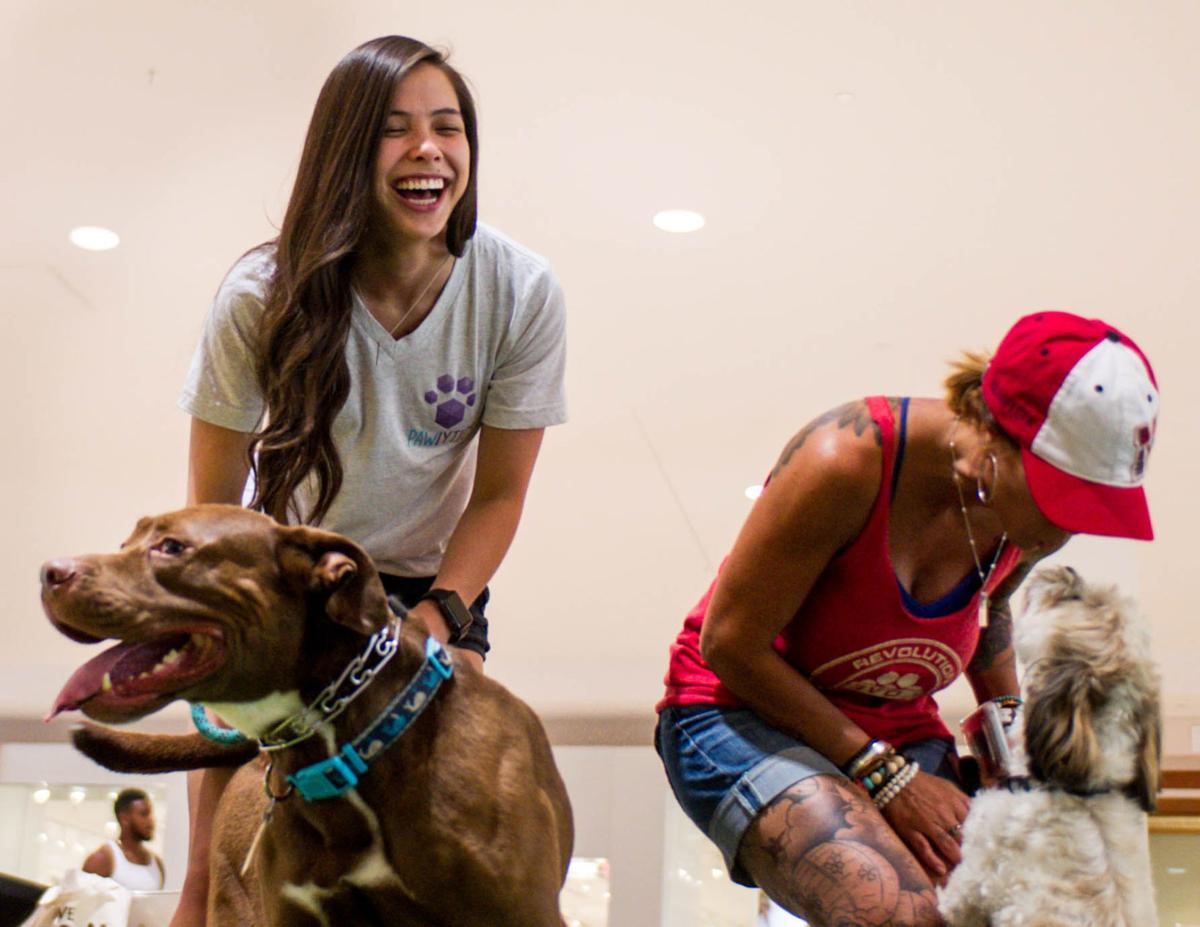
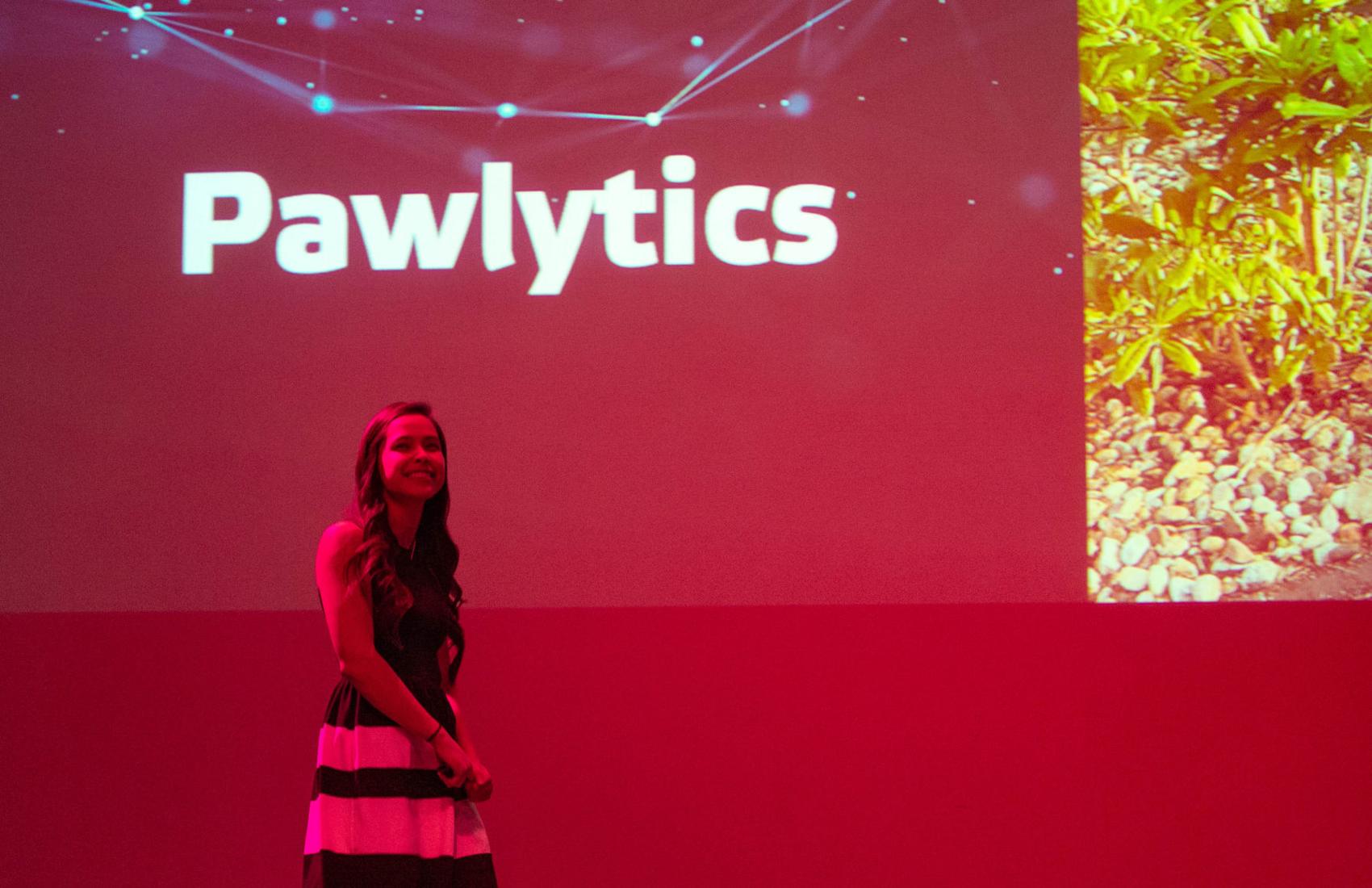
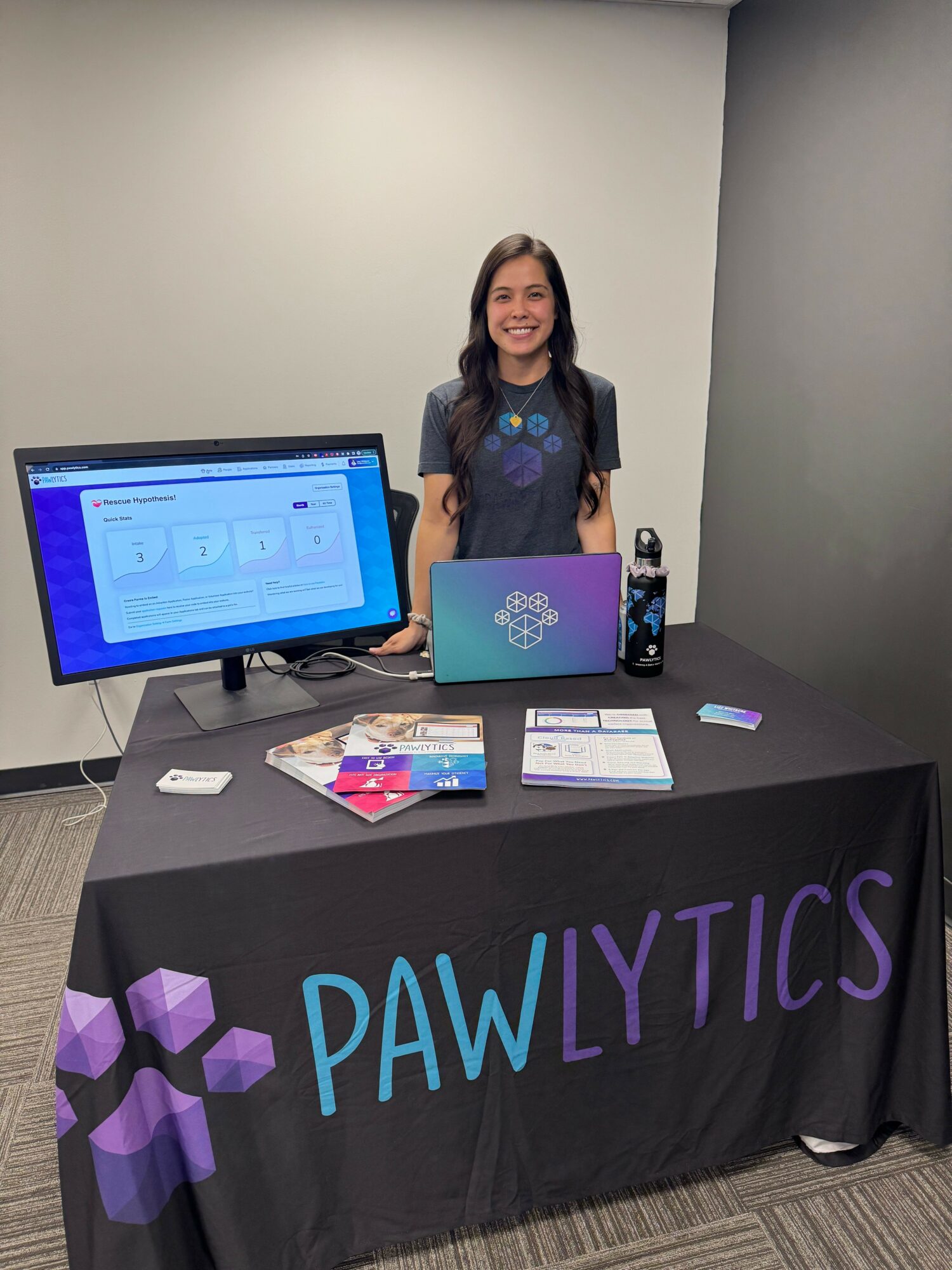
That became Pawlytics. We help foster-based animal rescues and shelters run their operations, including pet records, partner management, payments, contracts, and adopter and volunteer tracking. It’s the unglamorous administrative work that quietly stands between an animal and a home. Today we serve more than 500 organizations across 19 countries, hit profitability in 2024, and were just included in the first Shelter Animals Count study dedicated to foster-based rescue operations.
But honestly, the part of the work that gets me out of bed isn’t the CRM. Six million pets enter U.S. shelters every year, and 600,000 of them are still euthanized for space. A third of shelter pets are transferred between organizations to find adopters, and that whole logistics layer happens with almost no data and no purpose-built tools. That’s where Pawlytics is headed next. I moved to Kansas City last summer specifically to plug into the Animal Health Corridor and the founders here operating at the level I want to be operating at, because the goal hasn’t changed since I was six. I want to see a day in my lifetime where pets aren’t euthanized for space.
We’re also focused right now on bringing AI into the animal welfare space so we can be even more efficient when it comes to saving lives. I won’t get into the specifics here, but the broader point is that whenever new technology emerges, we’re looking at it through one lens: how do we use this to innovate in a space that has historically been underserved by tech? That’s the work, and it’s the work I plan to be doing for a long time.
Alright, so let’s dig a little deeper into the story – has it been an easy path overall and if not, what were the challenges you’ve had to overcome?
Honestly, no. I wouldn’t describe any part of this journey as a smooth road, and I think anyone who tells you their founder story was smooth is either lying or hasn’t been at it long enough.
The cat cafe failure I mentioned earlier was the first really public one. I had run a campaign as a college student to raise $180,000 to open a nonprofit cat cafe in Lincoln, the local news covered it, and I came up tens of thousands of dollars short. I cried for a solid week. I hid in my room. I was twenty-something and genuinely convinced that I had used up whatever credibility I had and that no one would ever back another venture of mine again. Looking back, I’m grateful for that failure because it’s what pushed me toward technology as the actual lever for impact. But in the moment, it felt like the end of something, not the beginning.
The early Pawlytics years were also not glamorous. I was so heartbroken from my previous ventures failing publicly that I didn’t even give the company a name for a long time. I just called it “the rescue software.” I had lost in the first round of the University of Nebraska’s New Venture Competition three years in a row before I finally won it on my fourth try, and that $25,000 prize was what made it possible to actually build a prototype. Had I lost again, I’m not sure Pawlytics would exist.
Beyond the early-days stuff, the harder ongoing struggle has been operating in a space that the tech industry largely ignores. Animal welfare is not where venture capital tends to look. The customers we serve are mom-and-pop rescues running on shoestring budgets, often staffed entirely by volunteers, and the existing software options were antiquated, expensive, and famous for terrible customer service. Building real infrastructure for a market like that means making different tradeoffs than a typical SaaS company would, and it means a lot of long quiet years of doing the unsexy work before anyone in the broader startup world notices what you’re building. We hit profitability in 2024, and that took us five years.
The thing I tell people now is that the problems of building a company don’t get easier. You just get stronger. I naively believed that once I got my first customer, things would be easier. They weren’t, because then I had the obligation to deliver for someone who was paying me. Then I believed if I could just raise investment, things would be easier. They weren’t, because then I had bosses who very much wanted a return. Then I believed if I could hire a team, things would be easier. They weren’t, because then I was managing personalities and playing HR. At every stage of growth, there’s a new set of problems waiting for you. The only thing that actually changes is you. You, as the founder, get stronger.
There’s also the personal side of all of this. I started this company while still in college, fresh off some very public disappointments, and I’ve had to grow into the role of being a CEO at the same time as I’ve been growing the company. That’s a struggle a lot of first-time founders share, but it’s still real. You’re rebuilding your confidence and your business at the same time, and some days one is winning and some days the other is.
The thing I’ve learned is that none of those hard moments were wasted. The cat cafe taught me about scale. The early Pawlytics years taught me about persistence. The slow profitability climb taught me about discipline. And every new stage of growth has taught me that I am more capable than I thought I was the stage before. I wouldn’t be the founder I am today, or the operator I am today, without every one of them.
Appreciate you sharing that. What should we know about Pawlytics?
Pawlytics is software that helps animal rescues and shelters do their jobs better, so more pets make it out alive.
That’s really the simplest way to put it. The people who run animal rescues are some of the most dedicated humans on the planet, and the vast majority of them are unpaid volunteers working out of their homes, juggling spreadsheets and sticky notes and group texts to coordinate dozens or hundreds of animals at any given time. They’re the ones taking in pets when the bigger shelters fill up, often as a last stop before euthanasia. And for years, the technology that existed to help them was clunky, expensive, and built for big city shelters, not the scrappy mom-and-pop rescues that actually do the bulk of adoptions in this country.
We built Pawlytics for those rescues. Our software handles the unglamorous but critical stuff: keeping track of every pet’s medical history, coordinating with foster families, processing adoption applications and contracts, running payments, managing volunteers. The boring back-office work that, if it doesn’t get done well, means animals fall through the cracks. When a rescue uses Pawlytics, they spend less time drowning in paperwork and more time doing what they actually got into this for, which is saving animals.
Today we’re working with more than 500 rescue organizations across 19 countries. Our second-biggest region after North America is Australia and New Zealand, which still delights me. There’s something really beautiful about a small team in Kansas City helping a volunteer rescuer in rural Australia get a dog into a home faster.
The thing I want KC readers to know is the scale of the problem we’re working on. About six million pets enter shelters in the U.S. every single year, and around 600,000 of them are still being euthanized for no reason other than lack of space. That number is the thing that keeps me up at night, and it’s the reason every piece of Pawlytics exists. We’re not building software for the sake of building software. We’re building infrastructure for a mission, and the mission is to see a day in our lifetimes where pets aren’t put down just because there isn’t room for them.
We’re also expanding into the adopter side soon, with a portal called Pawthority that will help people care for the pets they bring home, from insurance to medications to ongoing health needs. And we’re investing in new technology like AI to help rescues work even more efficiently, because every minute we save them is a minute they can spend on another animal.
So if you’re a Kansas Citian reading this and you’ve ever adopted a rescue pet, or fostered one, or donated to a local shelter, this work is for you and for the animals you’ve loved. There’s a quiet army of people out there saving lives every day. We just make their jobs a little easier.
Contact Info:
- Website: https://pawlytics.com/
- Instagram: @pawlytics
- Facebook: https://www.facebook.com/Pawlytics
- LinkedIn: https://www.linkedin.com/in/lizz-whitacre/