



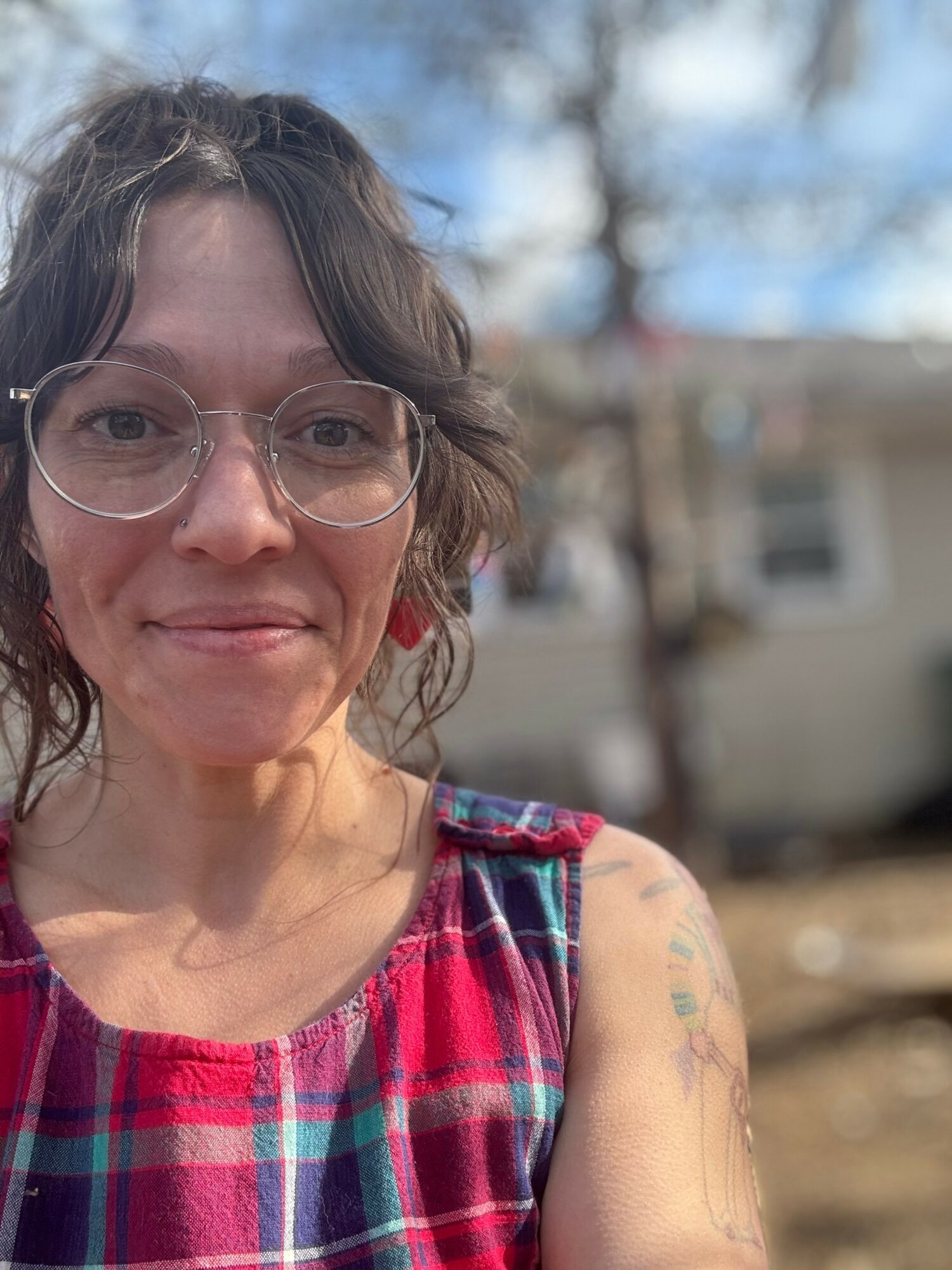
Today we’d like to introduce you to Hannah Grow.
Hi Hannah, so excited to have you with us today. What can you tell us about your story?
I wanted to work with children from the moment my mom set my baby sister on a blanket when I was three years old. I remember looking into her eyes and knowing…that’s where I wanted to be. That feeling never left.
As I grew up, that sense of direction stayed with me. I kept a hope chest filled with clothing for my future babies, carried around a library book about building a homestead, and dreamed of having a big family of my own from the time I was ten years old until I had my first child at twenty-five.
My own upbringing wasn’t traditional. By the time I was thirteen, I was moving through the world at a distance from my family, experiencing life without a typical structure. Those years shaped me deeply. They gave me a wide lens and a grounded sense of dignity—not tied to circumstance, but something I learned to recognize in all people, across all walks of life.
I was introduced to Waldorf education in 2010 and fell in love with the simplicity and intention behind it. In 2019, I completed a full LifeWays training, and in 2021 I opened my own program after leaving a local Waldorf kindergarten.
From the beginning, I was committed to finding the balance between my lived experience, my formal training, and my own authenticity—something that could truly serve the children and families in my care in a real, observable way, no matter their circumstances.
That’s where Wildblossom comes from. At its core is relational fluency—an ability to meet people where they are, hold clear structure, and build something steady, human, and real.
I’m sure it wasn’t obstacle-free, but would you say the journey has been fairly smooth so far?
It hasn’t been a smooth road.
I built Wildblossom while raising four children on my own. My formal training began at the same time I was parenting children who were eight, five, two, and nine months old as a single mother. There wasn’t separation between learning and living—it was all happening at once.
That was a real challenge. Time, energy, finances, and emotional capacity were all stretched. There were moments where I had to hold everything at once—my children, my work, and the responsibility of building something that actually worked.
At the same time, that experience shaped the foundation of what Wildblossom is. The openness and flexibility within the program didn’t come from theory—it came from living in a way where things had to work for real families in real circumstances.
In this space, there isn’t an expectation of a “right” way to raise a family. The focus is on supporting each individual child within their family as they are. That perspective was built through challenge, not in spite of it.
What I’ve learned is that growth doesn’t come from pressure or judgment. It comes from being able to be honest about where you are, and having the support to move forward from there.
Thanks – so what else should our readers know about your work and what you’re currently focused on?
My work centers around early childhood, but more specifically around creating environments where children can develop in a way that is actually aligned with real life.
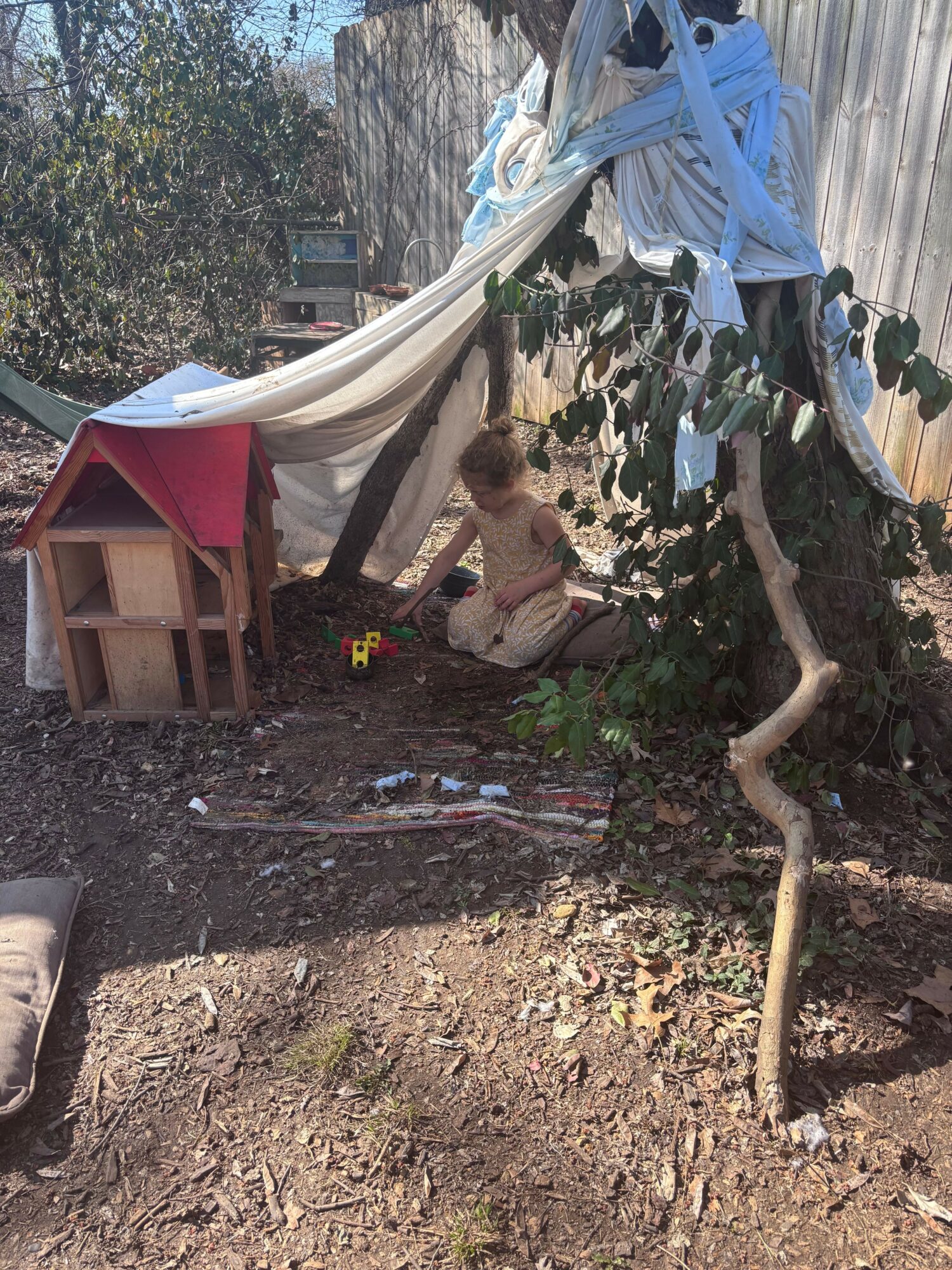
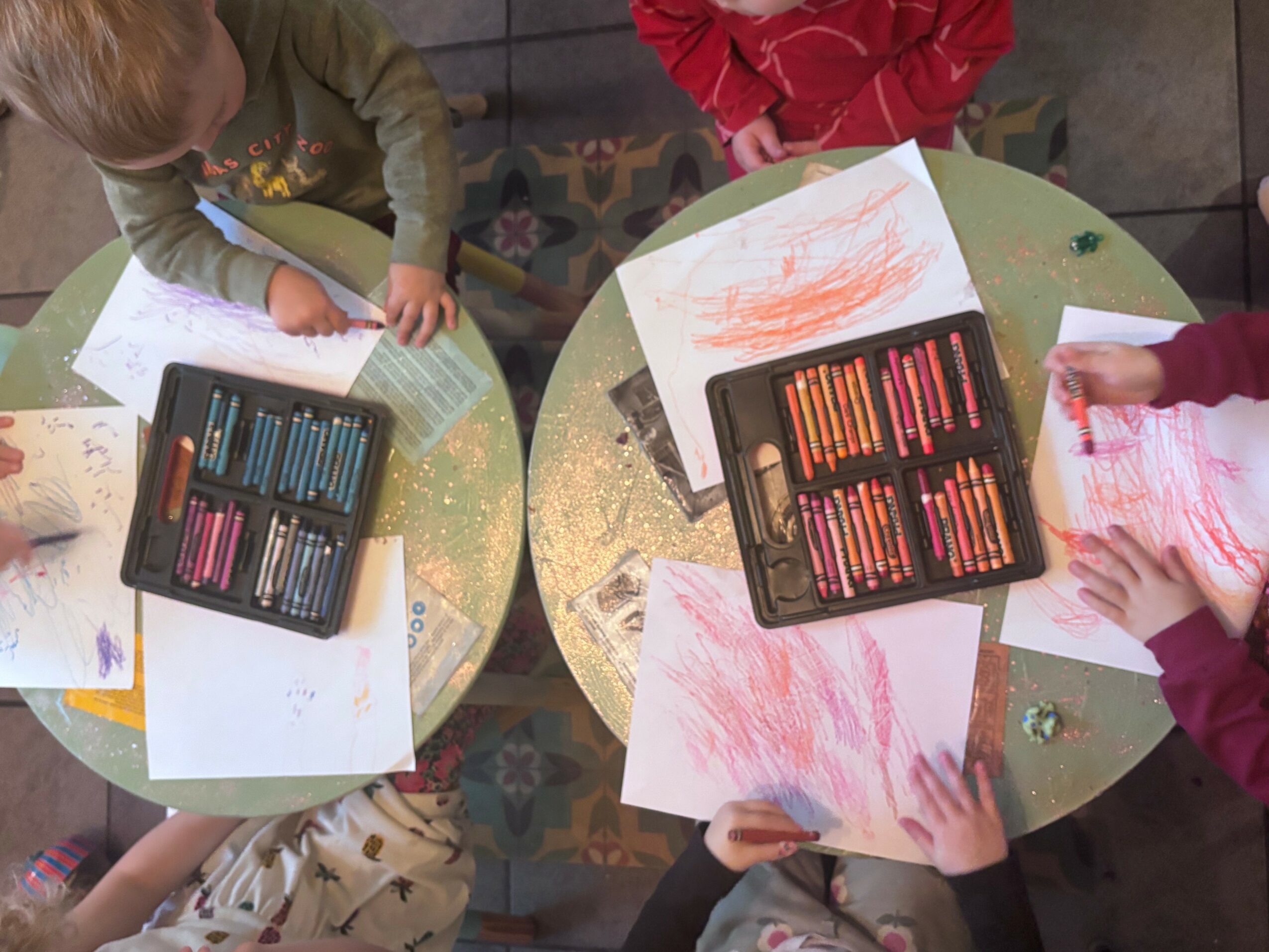
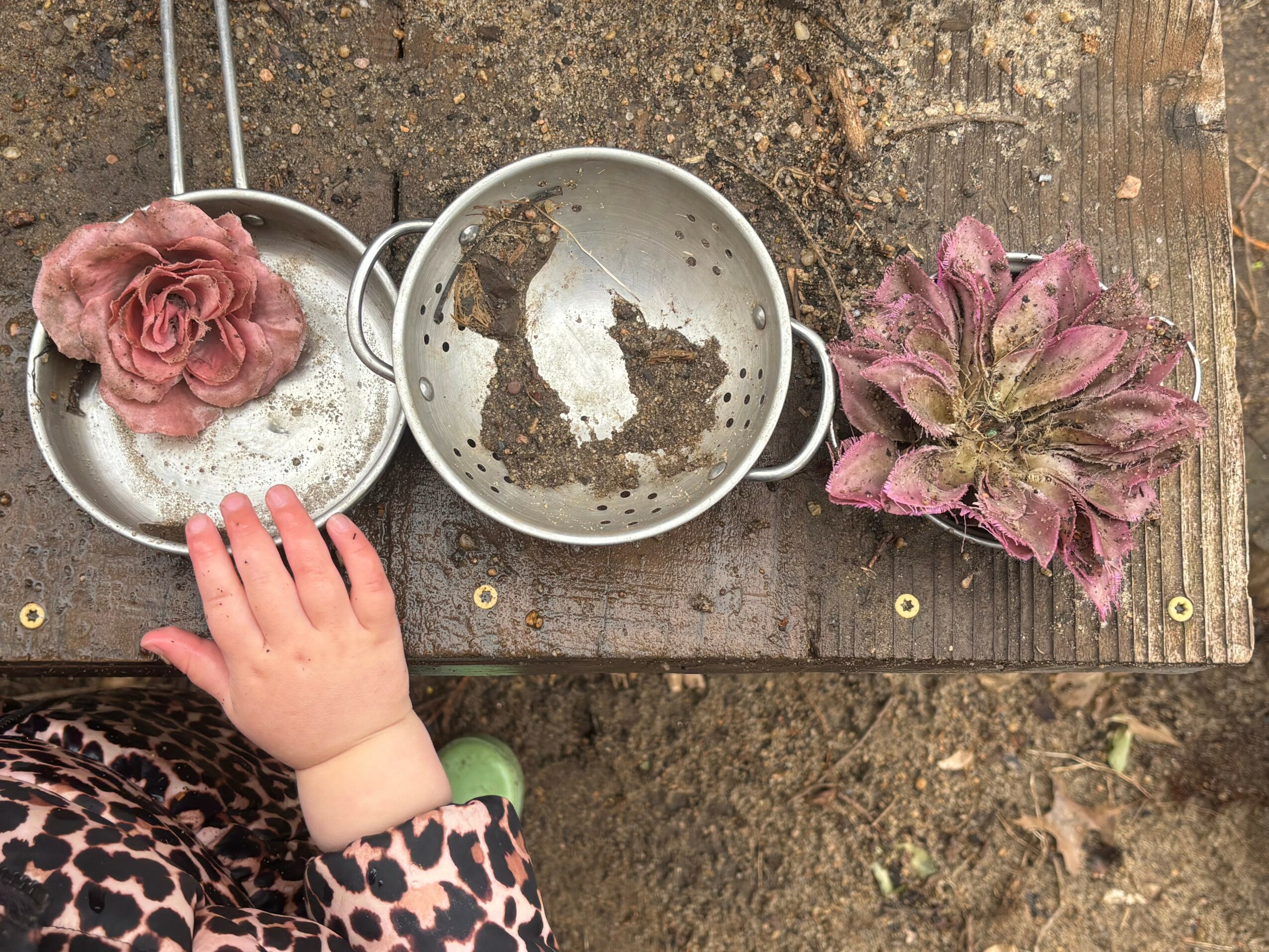
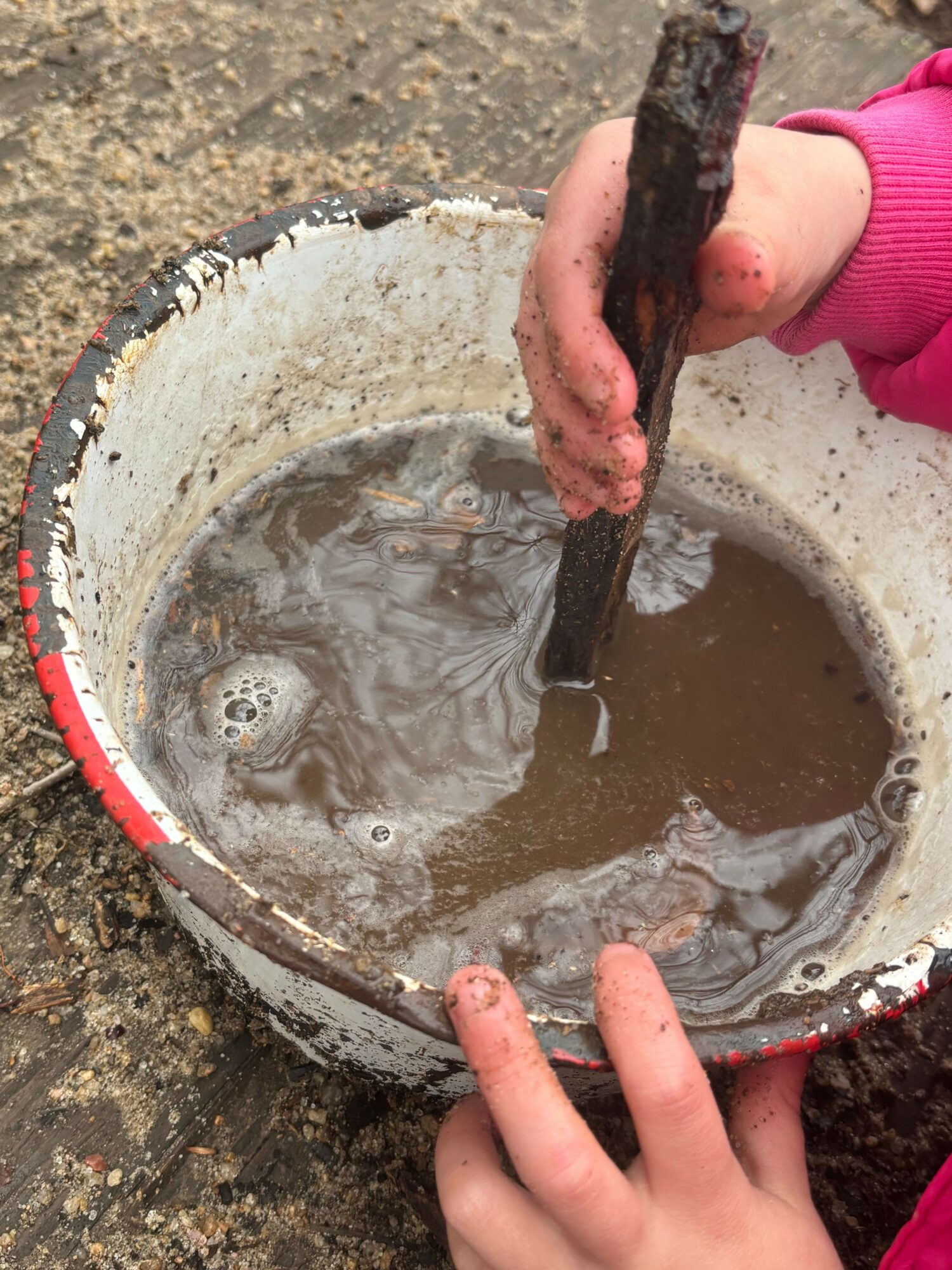
I run a small, home-based program called Wildblossom. It’s built on individualized care and relational practice, which means the structure adapts to the children and families here rather than asking them to fit into something rigid. The work isn’t about early academics or performance—it’s about creating a steady, home-like rhythm where children feel safe, seen, and able to develop their own internal regulation.
A lot of what I specialize in is not always visible on paper. It’s in how the environment is designed, how rhythm and daily life support behavior, and how relationships are held. I focus on the early imprint—how children experience authority, how needs are met, how dignity is preserved—and how that shapes the way they move through the world long term.
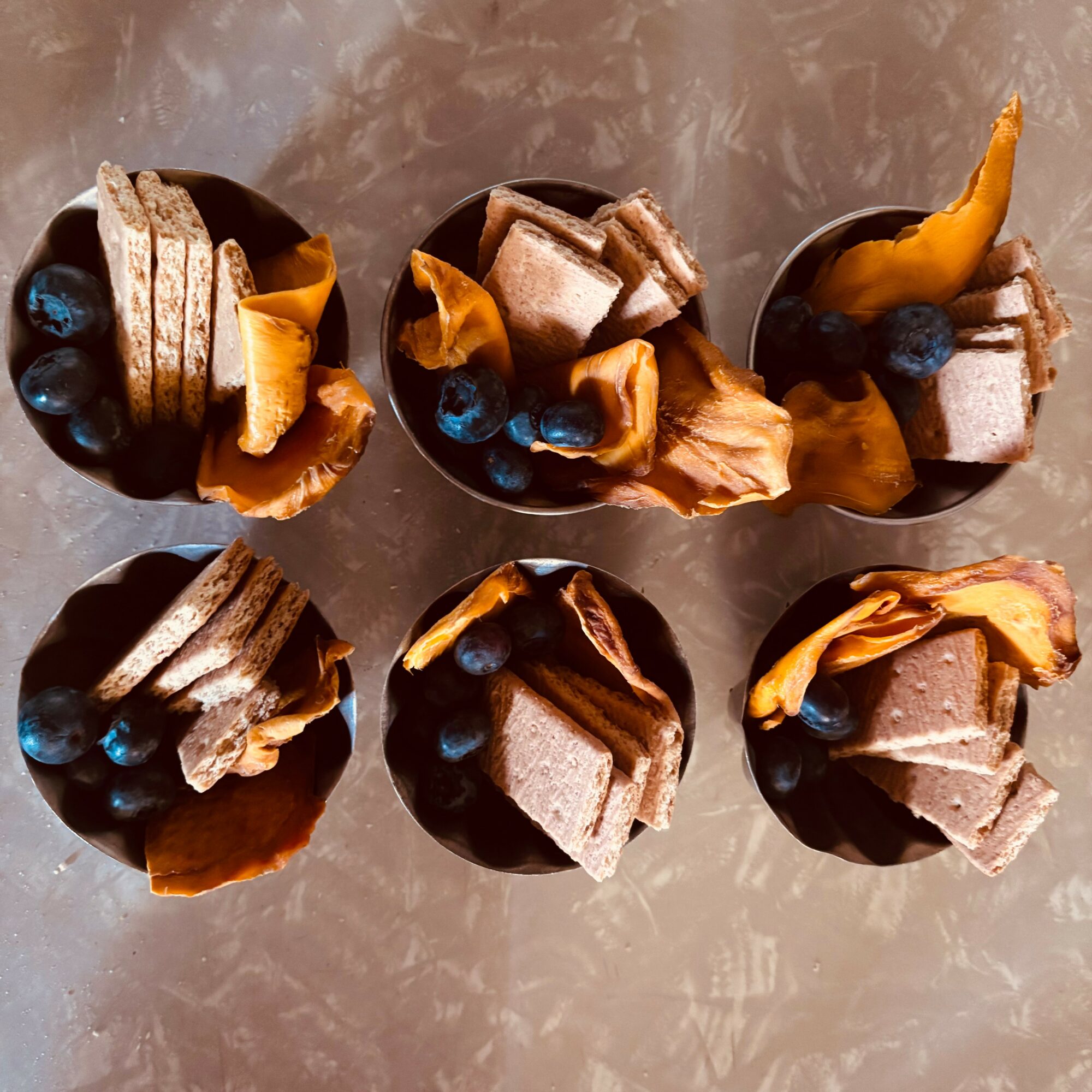
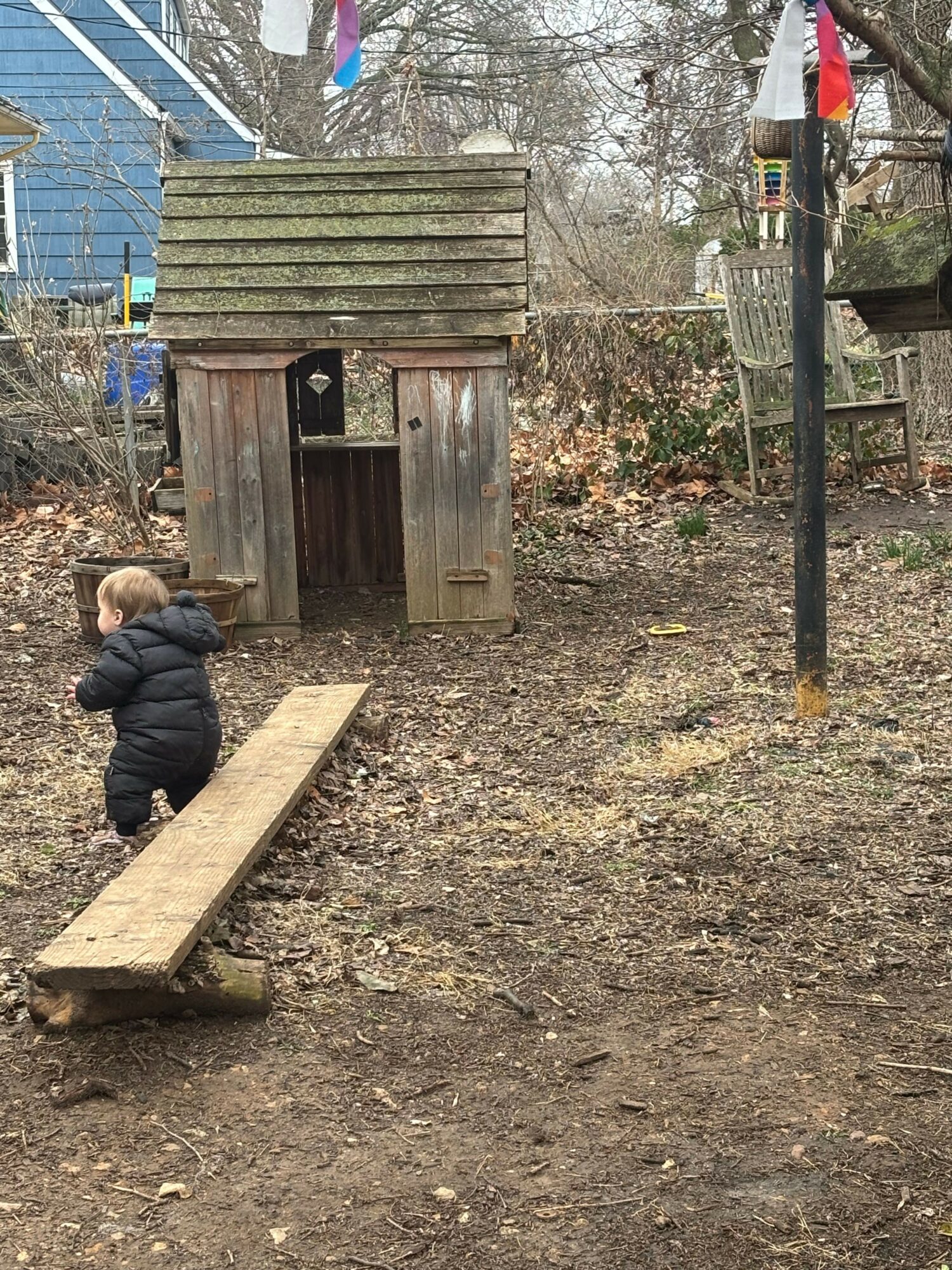
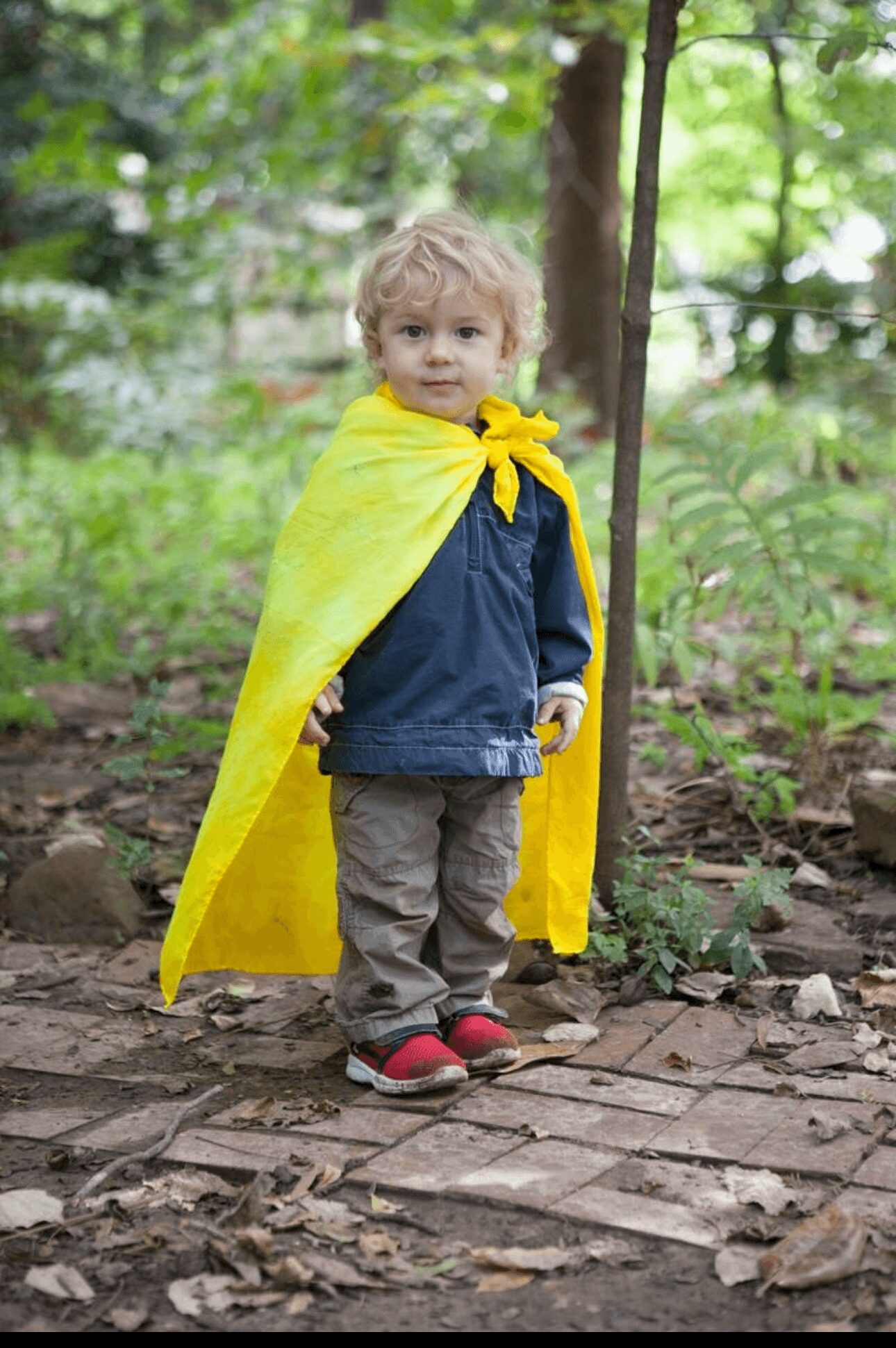
What I’m most proud of is that this work is lived, not theoretical. The program functions as a real environment where children participate in daily life—meals, care of space, outdoor work, and relationships with mixed ages. It’s consistent, predictable, and grounded in reality.
What sets me apart is the integration. This isn’t a model I’m applying—it’s something I’ve built through lived experience, formal training, and ongoing observation. I’m not trying to produce a specific type of child. I’m creating a space where children can become themselves in a way that is supported, structured, and deeply human.
I am most proud of the resounding feedback that I gotten over the years…parents across time have said “My child came alive when in your care” and that is something that those children will take with them. “Coming alive” isn’t a preformed action for the environment or teacher…it is a permanent awaking within the children themselves. This is my goal for each child who is in my care, in their own way and time.
What has been the most important lesson you’ve learned along your journey?
It may sound too simple, but at this point in my career…I’ve learned that if something feels too difficult, or if a change still feels heavy, you’re not done with the process yet.
Real growth doesn’t come with constant resistance. There’s effort, of course, but there’s also a point where things begin to move with you instead of against you. When something is truly integrated, it doesn’t feel forced—it feels steady, clear, and sustainable.
I’ve seen this in my own life and in my work with children and families. You can’t rush development, and you can’t force alignment. But when the foundation is right—when the environment, relationships, and timing are all in place—things shift naturally.
That’s been the most important lesson for me: trust the process enough to let it fully unfold, and don’t mistake friction for completion.
Contact Info:
- Website: https://wildblossomschoolhouse.net