




Today we’d like to introduce you to Xiao Faria DaCunha.
Hi Xiao, can you start by introducing yourself? We’d love to learn more about how you got to where you are today?
Chaneryna and myself met for coffee and yapped about how nice it would be if Kansas City had an artist collective focusing on Asian American artists. Sometimes that’s really all you need to start something that will make an impact.
The structure of the collective, and its labor sharing nature was determined quite quickly and easily. As working class artists, we can relate only too much to artists feeling stretched thin and burnt out. The idea was simple: if everyone can just chime in 10% of effort, we’d only need 10 members to reach 100% capacity, and 20 members to double what we can accomplish together.
Alright, so let’s dig a little deeper into the story – has it been an easy path overall and if not, what were the challenges you’ve had to overcome?
The support we’ve received was truly overwhelming. Not only were we able to establish a gallery and community partnership leveraging our existing networks (thanks to us both being somewhat of a workaholic when it comes to creative ventures, ha!), we were also met with enthusiastic artists from different career stages willing to hear us out and give the collective idea a shot.
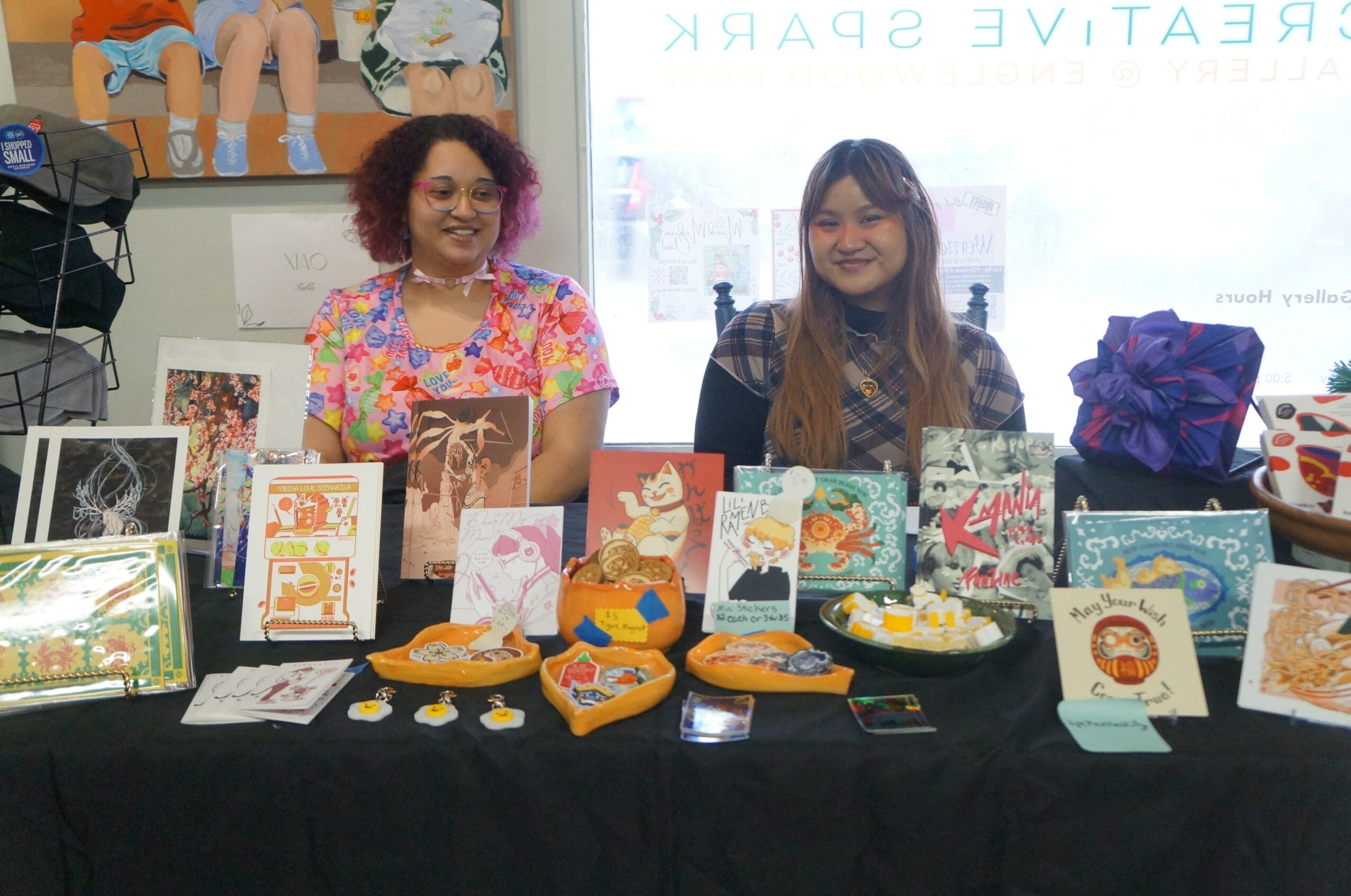
On the business side, I brought my experience in marketing, business operations, and public relations to the collective, while Chaneryna brought her expertise in management and administration. On the artistic side, I brought my experience as a curator and art critic, and Chaneryna was a champion when it came to vending and pop-ups. Our expertise fits together almost perfectly; it’s kind of insane, to be honest.
Of course, there are struggles. One is to educate others about labor-sharing and its merit. Since the structure is similar to mutual aid, it requires us to cultivate a collective mindset. It’s hard to think about putting in more labor when you’re already feeling stretched thin, and sometimes you have to be patient for an artist to come around and realize putting labor into the collective can actually be more helpful than them doing their own things all the time.
Another thing we had to learn was the nuances behind Asian American identities and a severe under-representation of central and western Asians. Since both of us came from an Eastern/SEA background, sometimes we do overlook this unbalanced representation, or at least we don’t see the full negative impact it can have on Asian-origin artists. We’re lucky that many felt comfortable and safe to reach out and have that conversation with us, so we can adjust our public messaging and programming to provide more focus on our Central, Western, and Northern Asian communities.
Appreciate you sharing that. What should we know about Third Pine Collective?
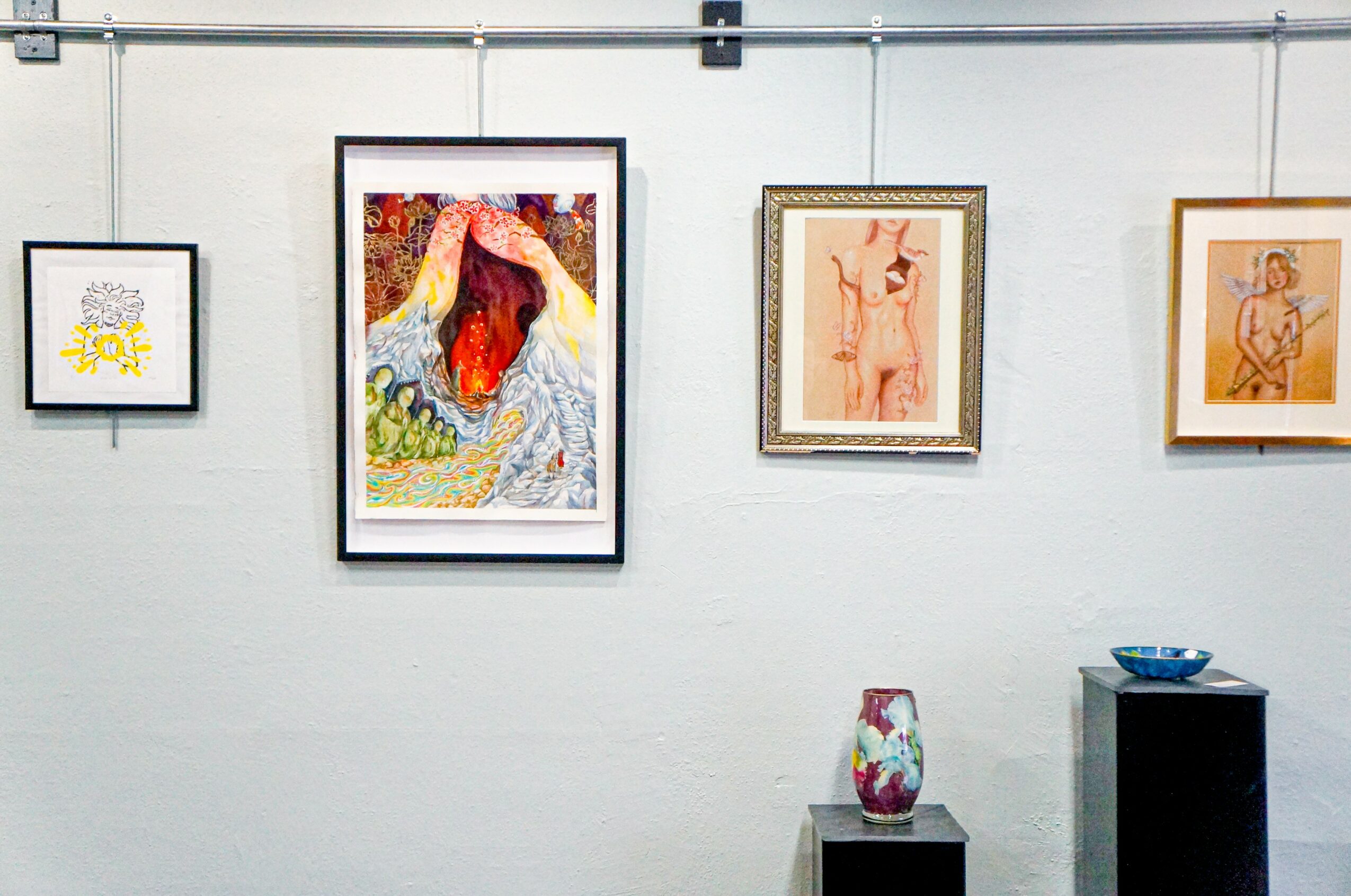
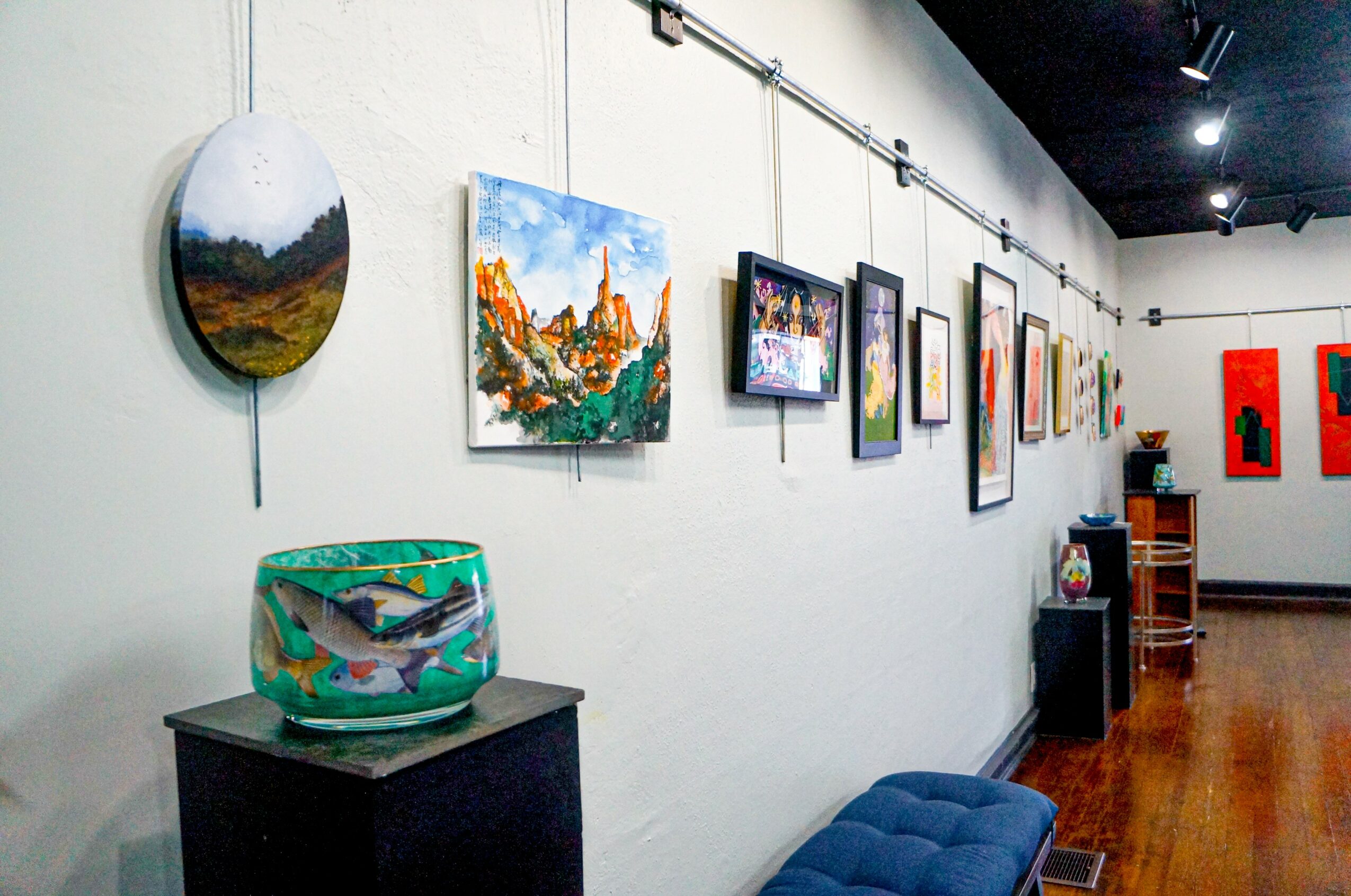
Third Pine Collective (TPC) is Kansas City’s first-of-its-kind Asian American, Native Hawaiian, and Pacific Islander labor-sharing artist collective. We aim to elevate AANHPI visual artists and small businesses at different career stages by significantly expanding their reach, capacity, and potential through labor-sharing among members, while amplifying AANHPI voices in the community. through cultural and public programming like exhibitions, movie screenings, maker markets, and culture-specific workshops.
Third Pine Collective is actively seeking community, business, gallery, and organizational partners to collaborate with on programming and core initiatives. The collective is also seeking funding from private and public sources to ensure quality services to its members and the public it engages with.
Any advice for finding a mentor or networking in general?
You cannot mentor your way out of a predatory system. For women, queer, and BIPOC artist and entrepreneurs, it’s a lot less about finding mentors, but far more about finding a community where you belong and feel safe. Learn from your peers and fellows. The idea of mentor-mentee is simply too unequal. In entrepreneurship, especially creative entrepreneurship, the learning should always be fluid and happen both ways for the parties involved. Don’t put yourself in a student’s position. Instead, absorb whatever information you can find, connect with people who make you want to build a similar practice or business, and have conversations with them. Learn, experiment, and don’t hesitate to share your opinions or ask questions. When you start thinking about networking, that’s when you start to stray away from the real value behind connection and interaction. Turn that mindset around. Connect because you resonate with someone/something, then see what comes out of it.
Pricing:
- The collective’s artist membership is free. We charge a 30% commission on sales, but waives the commission for anyone contributing labor for the corresponding event.
- Our business membership is $40 per year.
- Our vendor fees typically range between $30 to $50. Members, NPOs, and partners always receive half off.
Contact Info:
- Website: https://thirdpinecollective.com/
- Instagram: http://instagram.com/tpckansascity