



Today we’d like to introduce you to Kelly Meiners.
Hi Kelly, please kick things off for us with an introduction to yourself and your story.
I had a fulfilling career as a sports medicine physical therapist in the Kansas City metro area beginning in 1999. In 2012, I earned my PhD from Saint Louis University and later joined the Physical Therapy program at my alma mater, Rockhurst University. Over time, I became a tenured associate professor and Chair of the Department of Physical Therapy and Exercise Science.
I chose physical therapy out of a lifelong commitment to health and fitness. Throughout my adult life, I exercised one to two hours daily, completed several marathons and half-marathons, and lifted weights multiple times each week. I prioritized health through my diet and daily lifestyle choices.
On October 29, 2021, I became ill with a mild case of COVID—mild enough that I continued working from home. However, five to seven days after testing positive, I developed stroke-like symptoms: I was unable to walk or speak, experienced uncontrolled muscle contractions, and suffered severe confusion. Over the next two years, I lived in a dark, quiet bedroom, unable to tolerate stimulation. I was diagnosed with Long COVID, POTS, encephalitis, immune system abnormalities, and damage to multiple organs, including my brain. According to physicians at Mayo Clinic, I am among the most severe 1–2% of Long COVID patients they have treated.
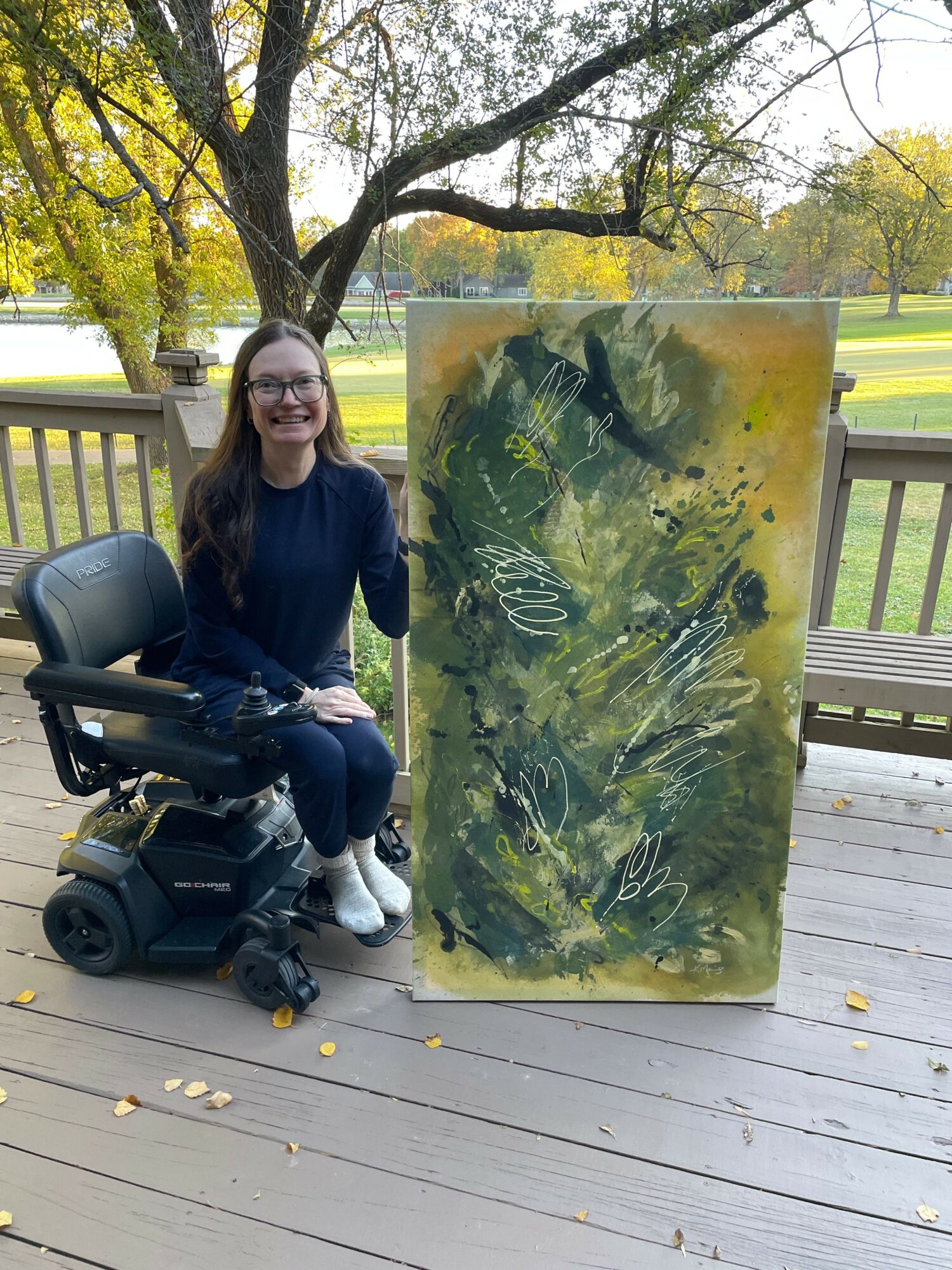
Over four years later, my seizures and migraines have improved, but I remain largely bedridden and sofa-bound. I navigate my home using a power wheelchair and leave only for essential medical appointments. I am still unable to work, listen to music, read, stand for more than five minutes, walk independently, or care for myself.
During the first years of Long COVID, I lived in a constant state of confusion. I could not walk, speak clearly, read, or follow a television show. I suffered extreme sensitivity to light and sound. One day, while organizing my dark bedroom closet, my son found basic acrylic painting supplies he had used during remote schooling in 2020. Although I could barely grasp a pencil or paintbrush, I began painting while lying on the floor, using a shower squeegee to spread paint across the canvas.
The process was painfully slow. A single swipe of paint often triggered seizures, followed by days of recovery. Still, I continued, using art as a way to communicate and process my loss. My first piece, Groundhog Day, took nine months to complete and was created entirely with a shower squeegee and acrylic paint.
I soon discovered that painting offered a rare reprieve from my suffering. Each work was inspired by emotions connected to my Long COVID journey. Because my brain could tolerate only a few brushstrokes each week, my family would place the canvas in my bedroom after every session. Instead of lying in bed focused on my illness or grieving my former life, I began planning my next small steps forward. Painting gave me hope and provided a therapeutic outlet for profound loss.
In August 2023, twenty-two months after becoming ill, I improved enough to look out a window for the first time. My light sensitivity had forced me to live in complete darkness with blackout curtains on every window. Even the glow of a phone or television screen had been unbearable. Being able to see outdoors and sit in a softly lit room brought renewed inspiration. Although venturing outside remained overwhelming, I began to dream of returning to the natural world.
Before Long COVID and brain injury, I never considered myself creative or artistic. My professional life was grounded in science and structured knowledge—skills very different from those typically associated with artists. Over the past year, I have listened to many podcasts in which artists discuss creativity. A recurring theme is the value of boredom in reducing creative blocks. I often wonder whether years of enforced stillness awakened a creative part of my brain, or whether neurological changes altered how my mind now works. Regardless, I am deeply grateful for this newfound passion.
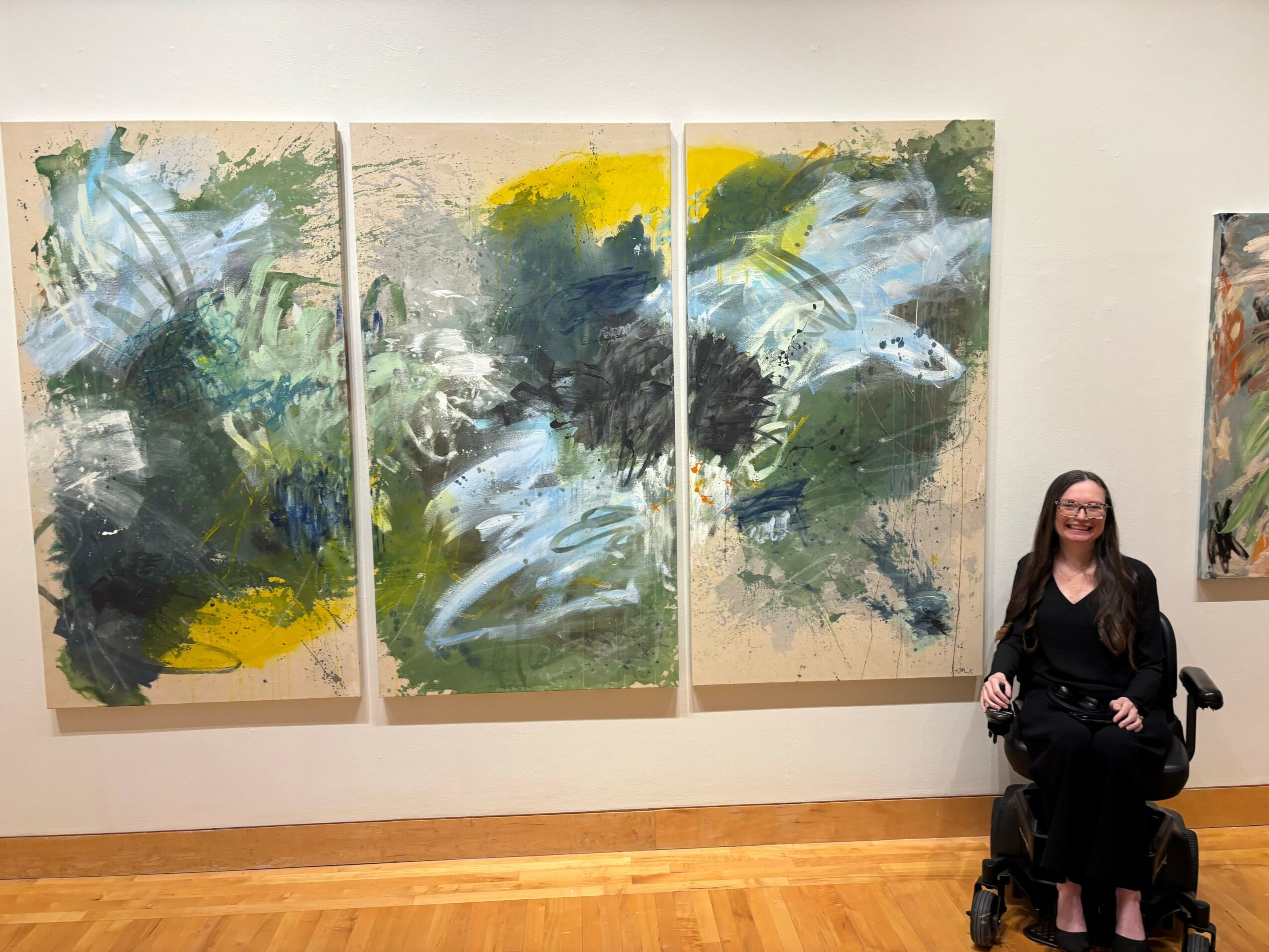
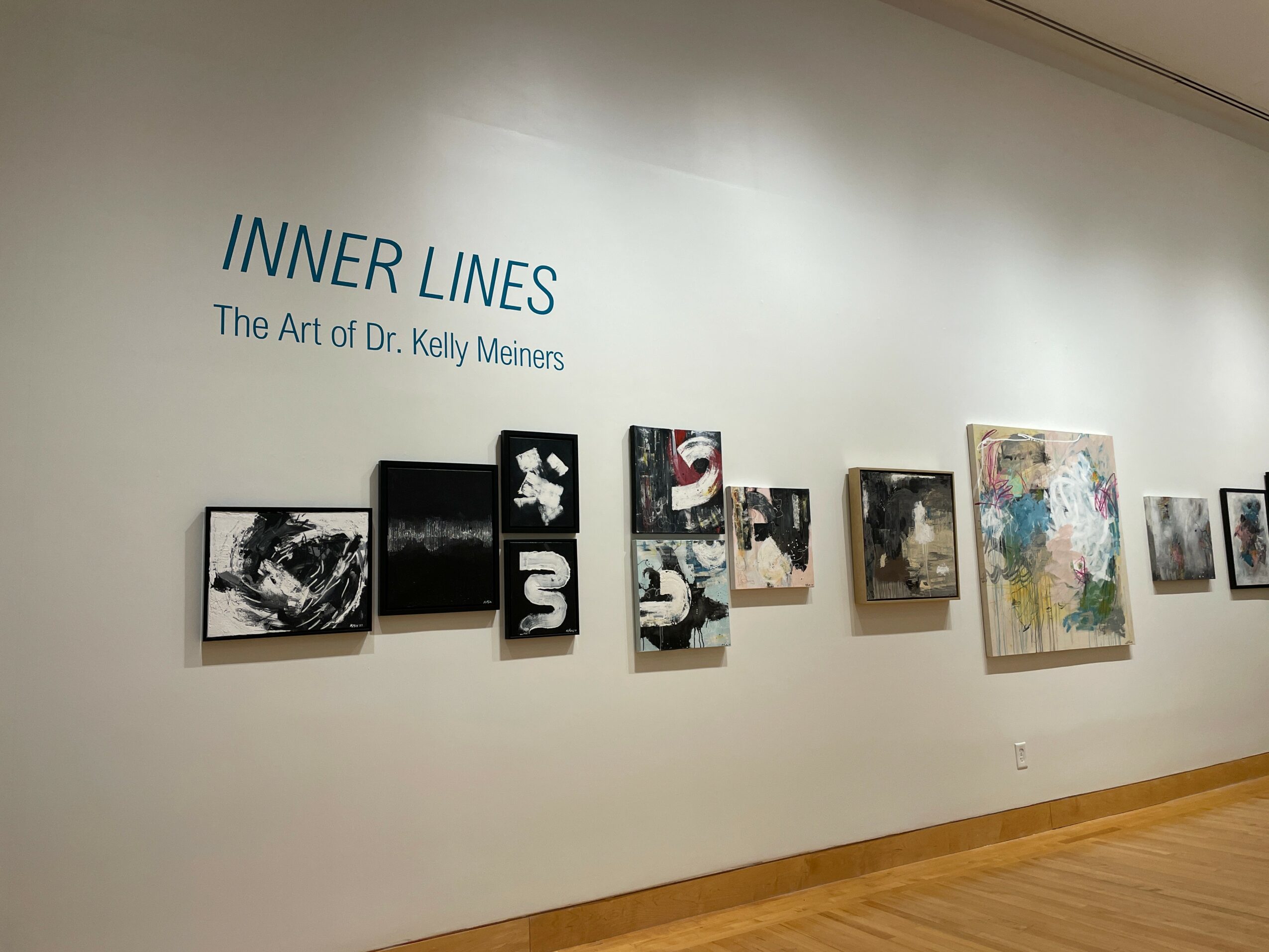
In 2024, I began exhibiting my work. Since then, I have participated in more than 30 exhibitions nationwide, including four solo shows, and have received a National Endowment for the Arts visual arts award and grant. I currently have a solo exhibition at Greenlease Gallery in Kansas City, Missouri.
We all face challenges, but looking back would you describe it as a relatively smooth road?
Because of the location of my brain injury, I have significant difficulty accessing emotions and translating them into words. Painting, however, gives me a way to communicate complex thoughts and feelings that are otherwise inaccessible. Some of my most powerful work has come from places of deep despair, as well as moments of joy and hope. Since Long COVID took away my previous coping mechanisms—running, lifting weights, and even social connection—painting has become an essential part of my healing and extremely slow recovery.
Being unable to communicate with my husband and 3 kids the first few years was challenging. Because of my brain injury, I had difficulty following conversations and vocalizing an appropriate response. More than one conversation or sound was also difficult. Even now, background noise such as a tv, birds from outside, or multiple conversations greatly impact my cognition and ability to understand and respond.
While being homebound may seem difficult to most people, it is far less challenging than being completely bedridden, in constant pain, confused, and experiencing frequent seizures with severe light and sound sensitivity, as I did during the first two years of my illness. Those years were unimaginably hard. Surviving them reshaped how I measure progress and gratitude.
Today, I celebrate what may seem like small victories: being able to look out a window, move through my home in a wheelchair, and occasionally spend brief moments outdoors on good days. These milestones bring me hope and remind me that recovery, though slow, is still possible.
Appreciate you sharing that. What else should we know about what you do?
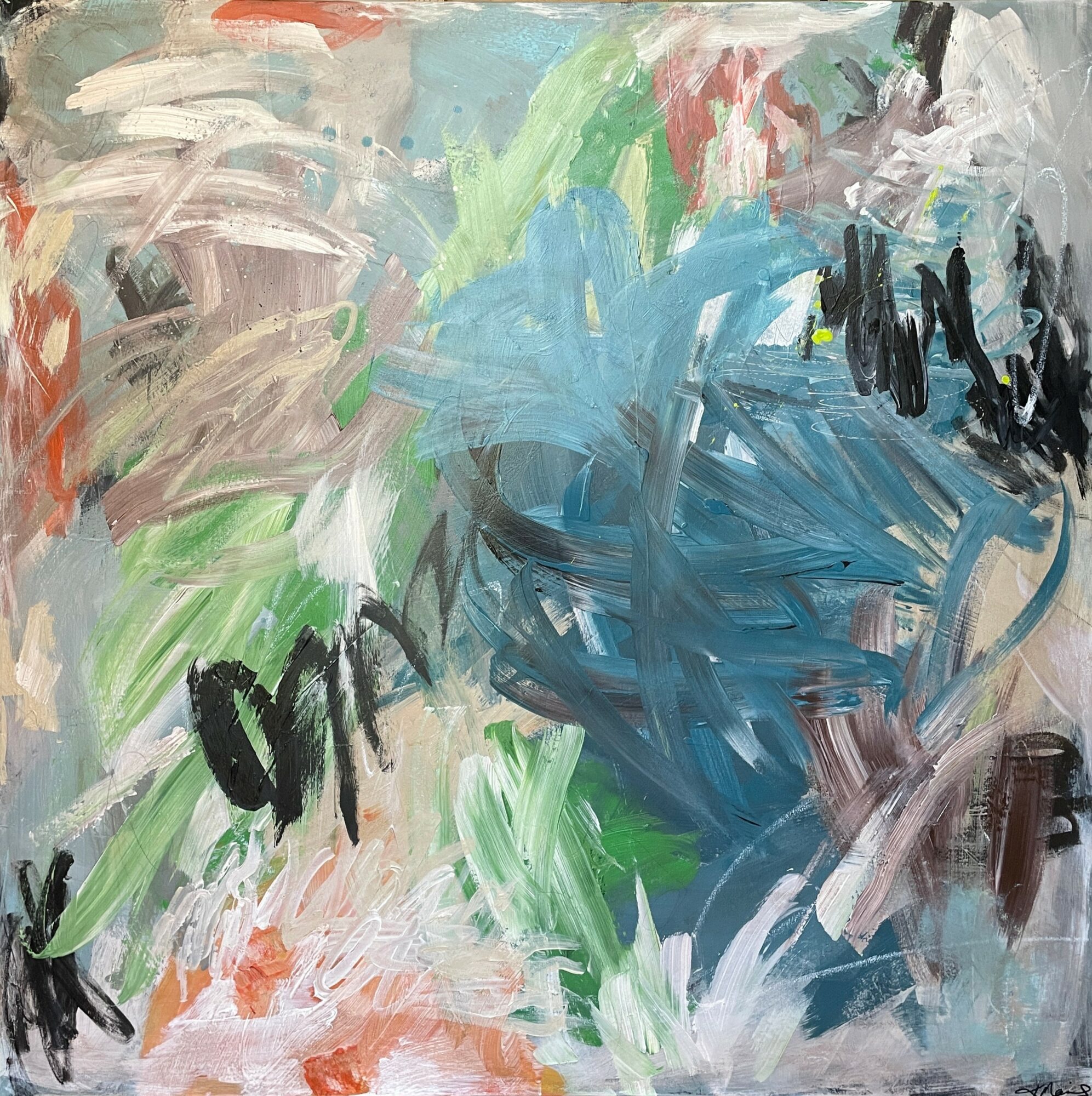
As an artist living with both physical and cognitive disabilities, I create work in ways that are very different from most able-bodied artists. My limitations have shaped not only my process, but also my artistic voice. I work in large-scale, gestural, expressionist abstraction because I am unable to hold a paintbrush steadily enough to create fine, detailed marks. A constant tremor affects my fine motor control, and reduced blood flow to my brain requires me to paint while lying on the floor beside my canvas.
I also work within very short timeframes. Prolonged concentration triggers neurological symptoms, including confusion, loss of motor control, and seizures. Because of this, I carefully plan each stroke in advance to conserve energy and make the most of the limited time I have. While I would love to stand, listen to music, and experience the kind of creative flow many artists enjoy, I work within my reality and adapt to my circumstances. Learning to create within these limits has required patience, resilience, and deep self-awareness.
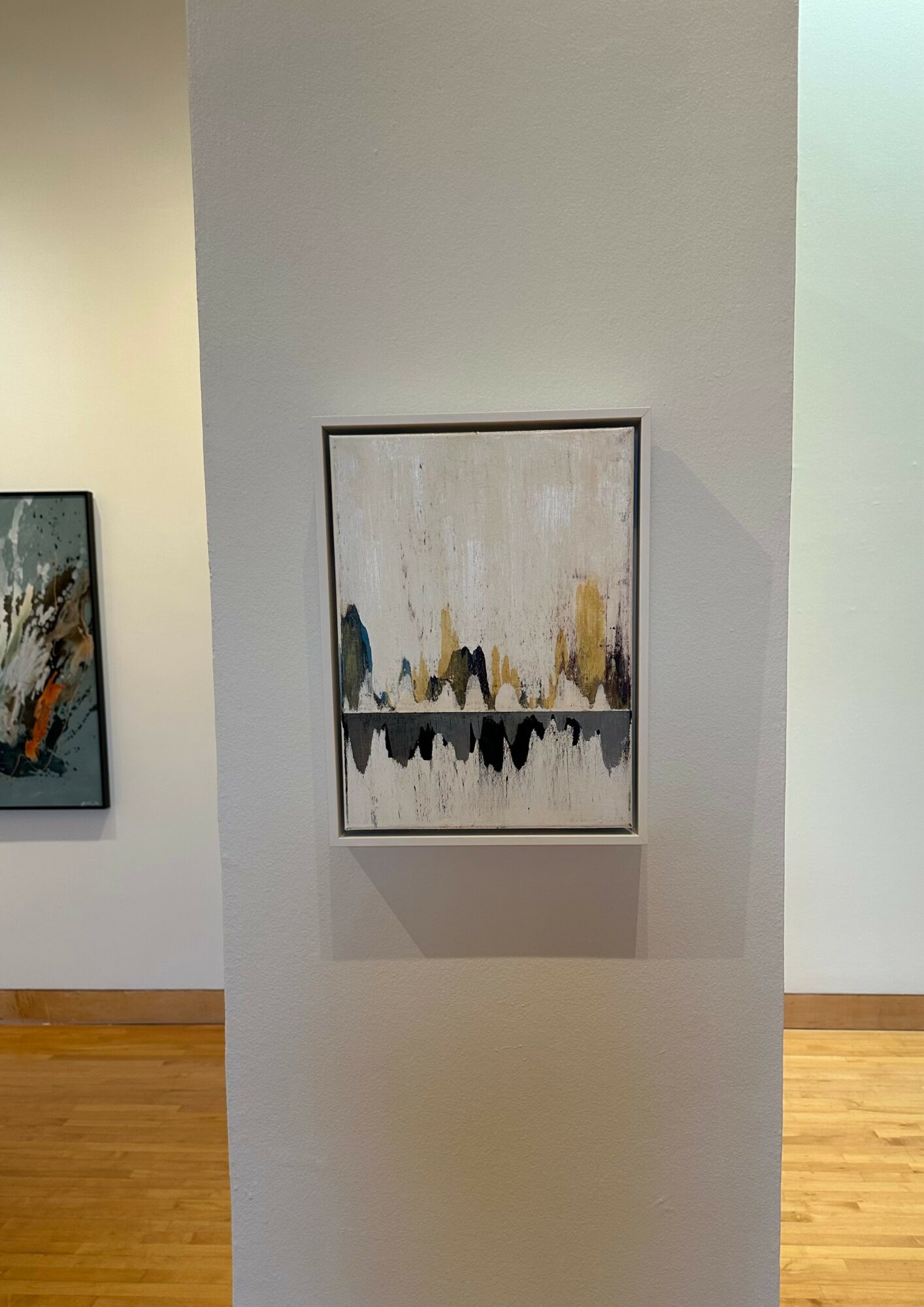
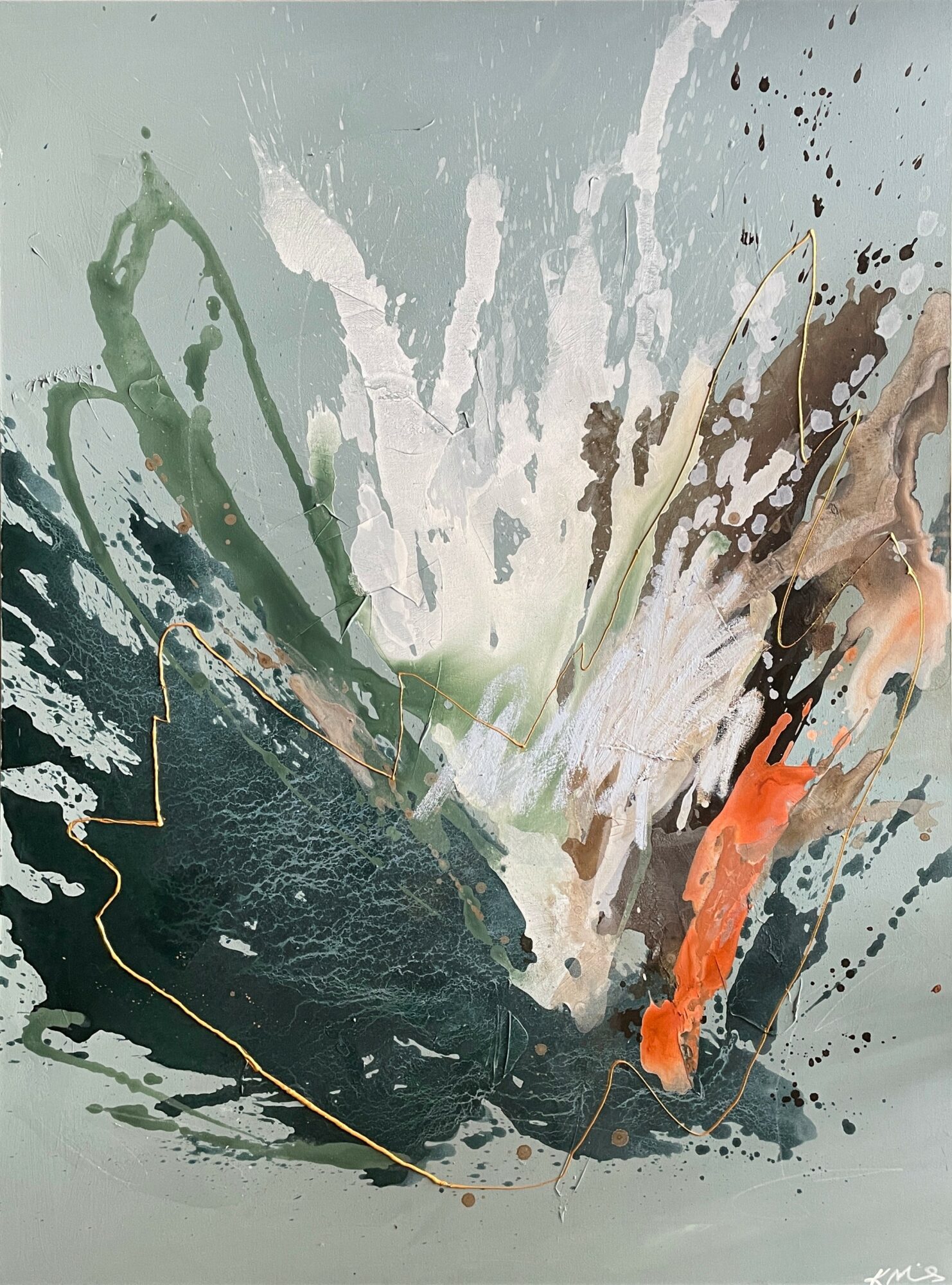
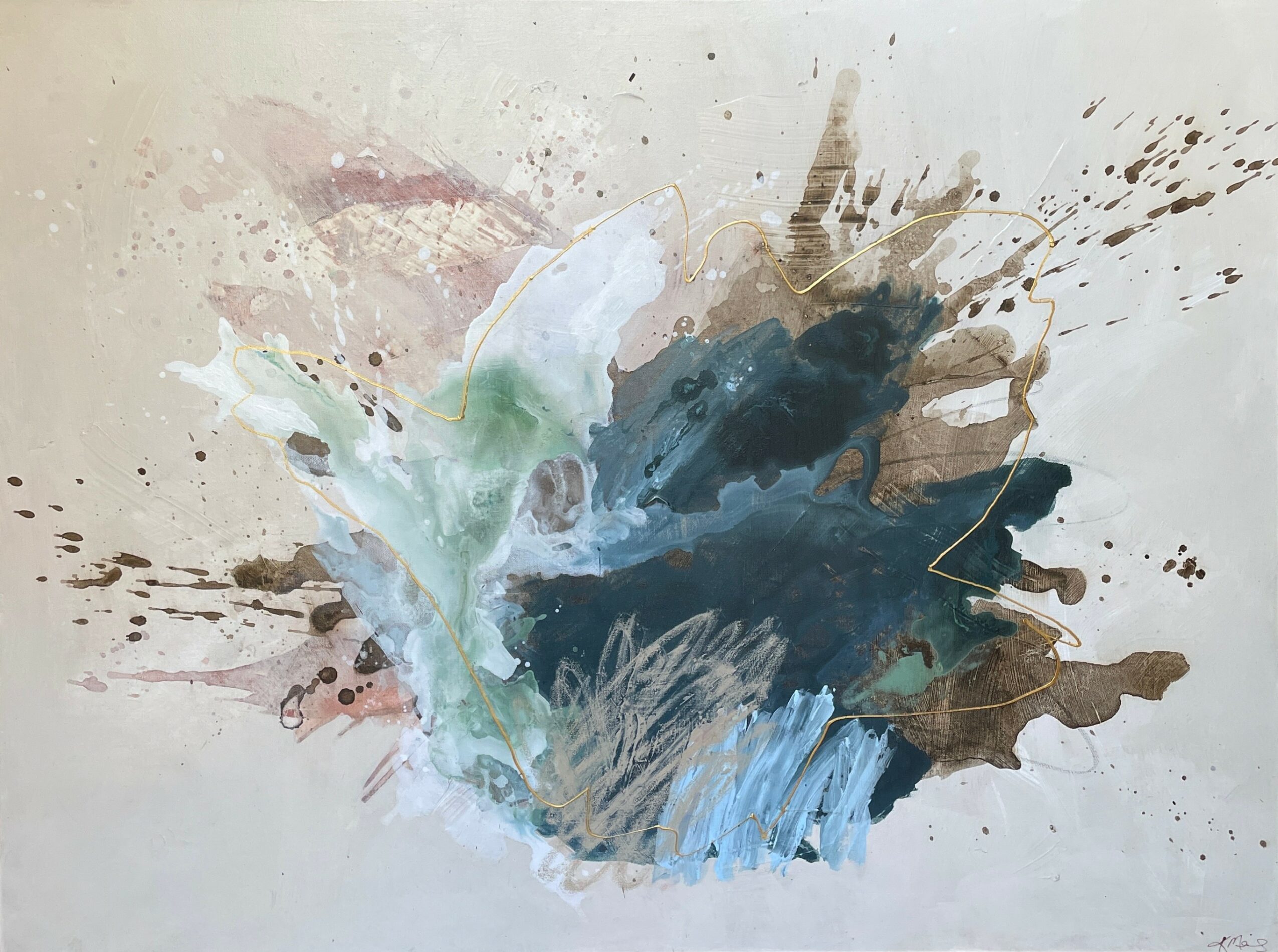
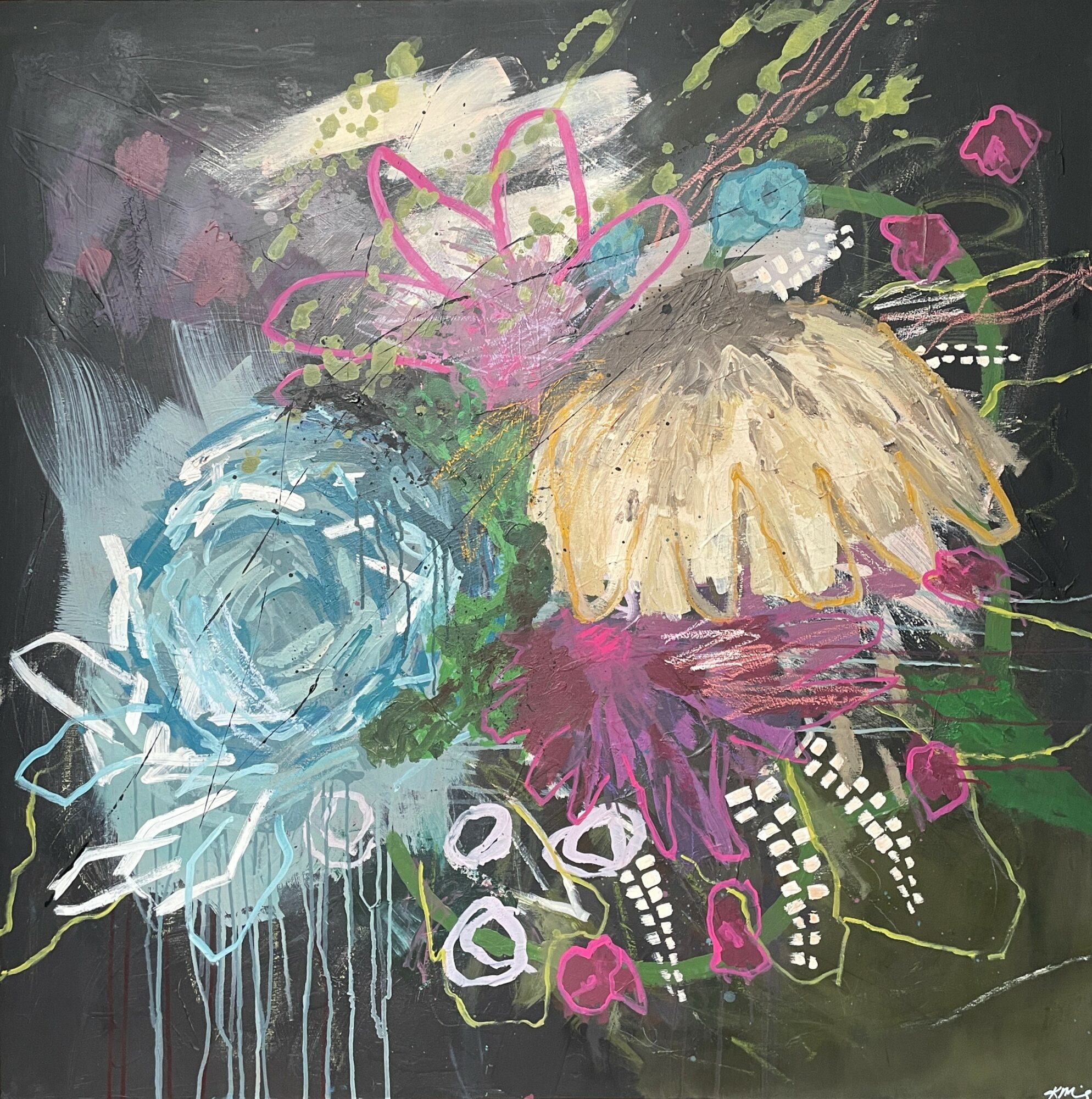
What also sets my work apart is its purpose. My paintings are not just aesthetic objects—they are a form of communication and survival. Each piece reflects my experience living with severe Long COVID and documents my physical, emotional, and neurological journey. The colors, compositions, and marks shift from painting to painting depending on what I am trying to express. Joy looks very different from grief, loss, or uncertainty, and I allow my palette to change accordingly.
For example, frantic scribbles may convey urgency or distress, while poured paint can represent calm or acceptance. While I understand that limiting color palettes or visual language can create stylistic cohesion, my priority is honesty. My work must remain true to my lived experience. Imposing artificial constraints simply to fit conventional expectations would diminish the emotional truth of each piece.
What I am most proud of is that, despite profound limitations, I continue to create meaningful, authentic work. I have transformed loss, disability, and uncertainty into a new form of expression and purpose. My art reflects resilience, adaptation, and the determination to keep telling my story—one painting at a time.
Any advice for finding a mentor or networking in general?
Being homebound makes traditional networking challenging, so I’ve had to find alternative ways to build meaningful connections. What has helped me most is being open and honest about my circumstances when reaching out for advice or support. I’ve contacted local artists directly with logistical questions, often without knowing them personally, and I’ve been consistently met with generosity and encouragement.
I’ve also participated in online forums and artist communities, where I’ve learned about the local art market and connected with other artists. Many of these relationships have grown into informal mentorships that continue to guide and support me.
Overall, authenticity has been my greatest networking tool. By being transparent about my situation and challenges, I’ve been able to build genuine, supportive relationships based on mutual respect and shared experience.
Contact Info:
- Website: https://www.kellymeiners.art
- Instagram: https://www.instagram.com/kellymeiners.art