





Today we’d like to introduce you to Maryfrances Wagner.
Hi Maryfrances, please kick things off for us with an introduction to yourself and your story.
I am the granddaughter of four Italian immigrants, and English was both of parents’ second language. At the time I was growing up, being Italian came with some hardship and prejudice from others, and I’ve written poems that reflect some of those experiences. From the time I was a child, my mother and father both loved poetry. My father recited it us in the car, and my mother wrote little poems she’d put in our lunchboxes and overnight bags, so I grew up with poetry around me.
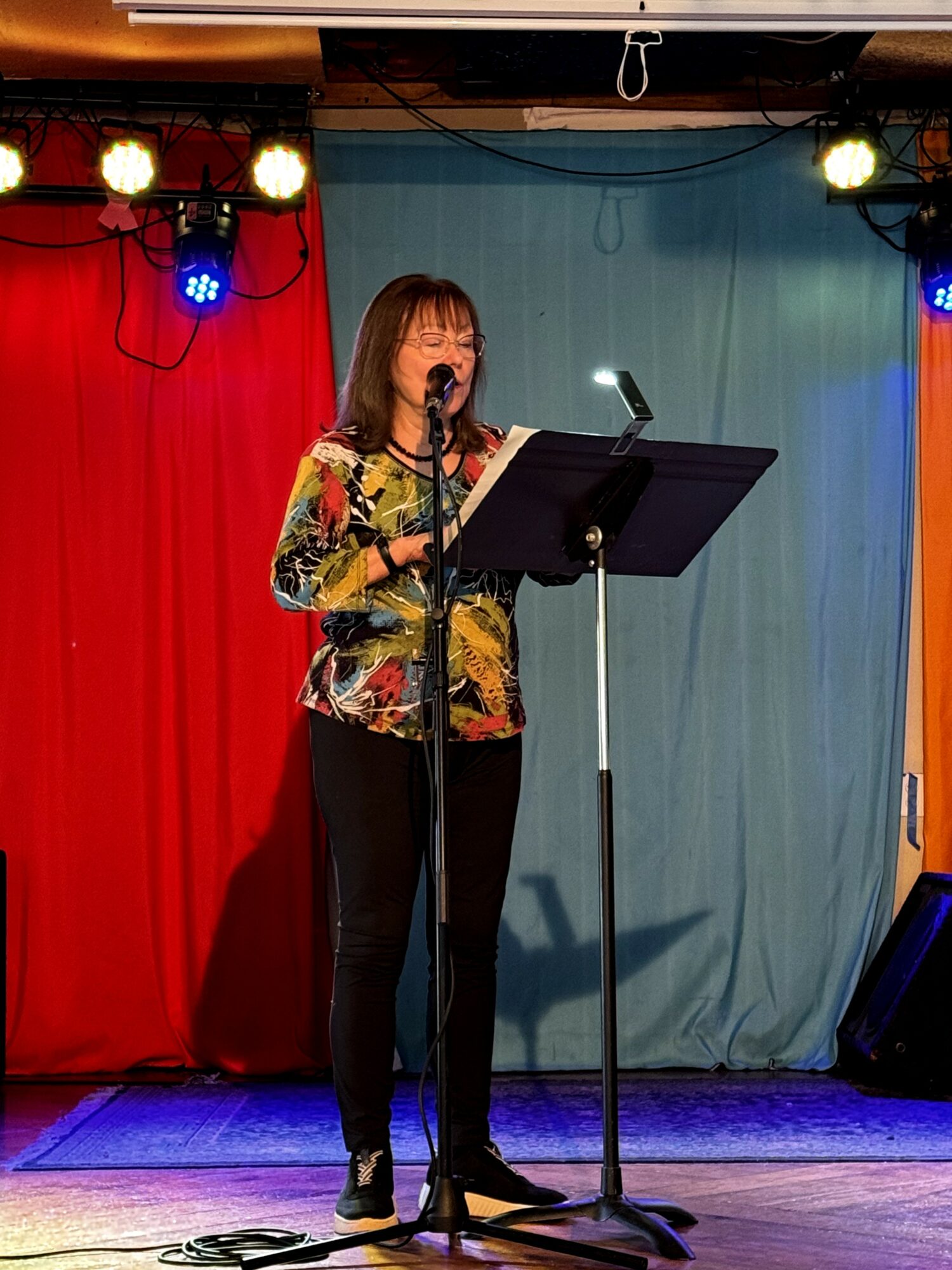
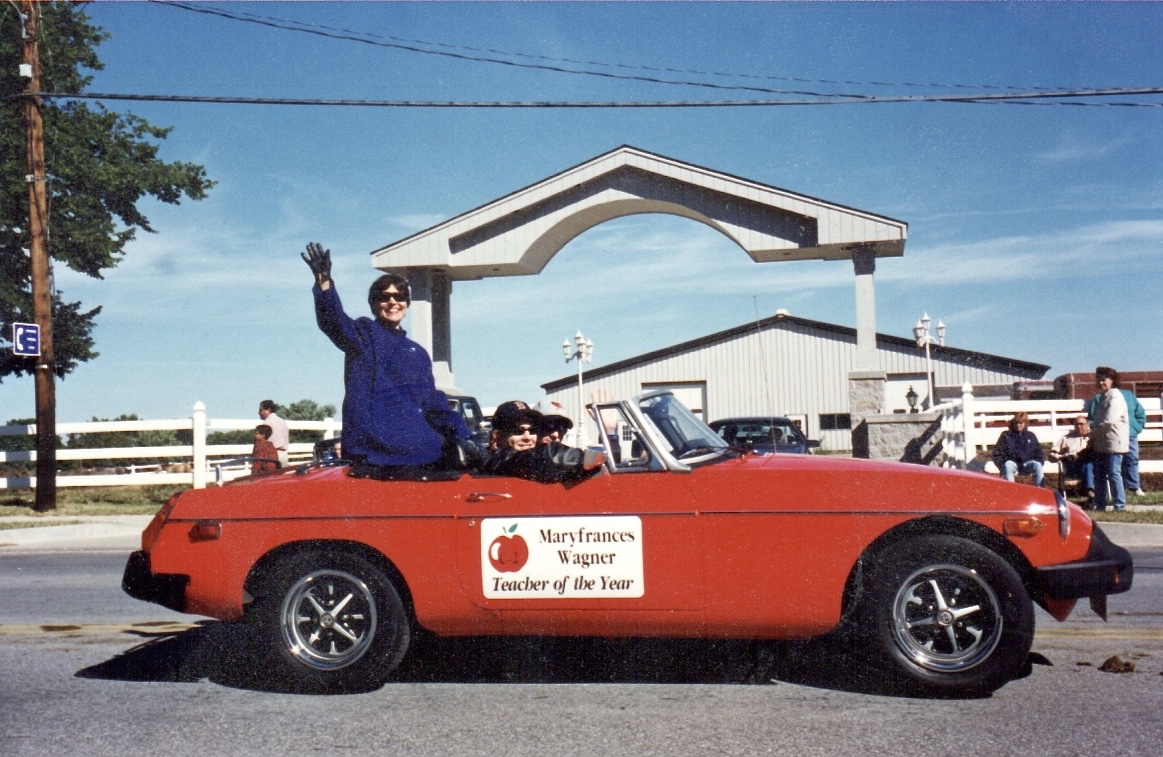
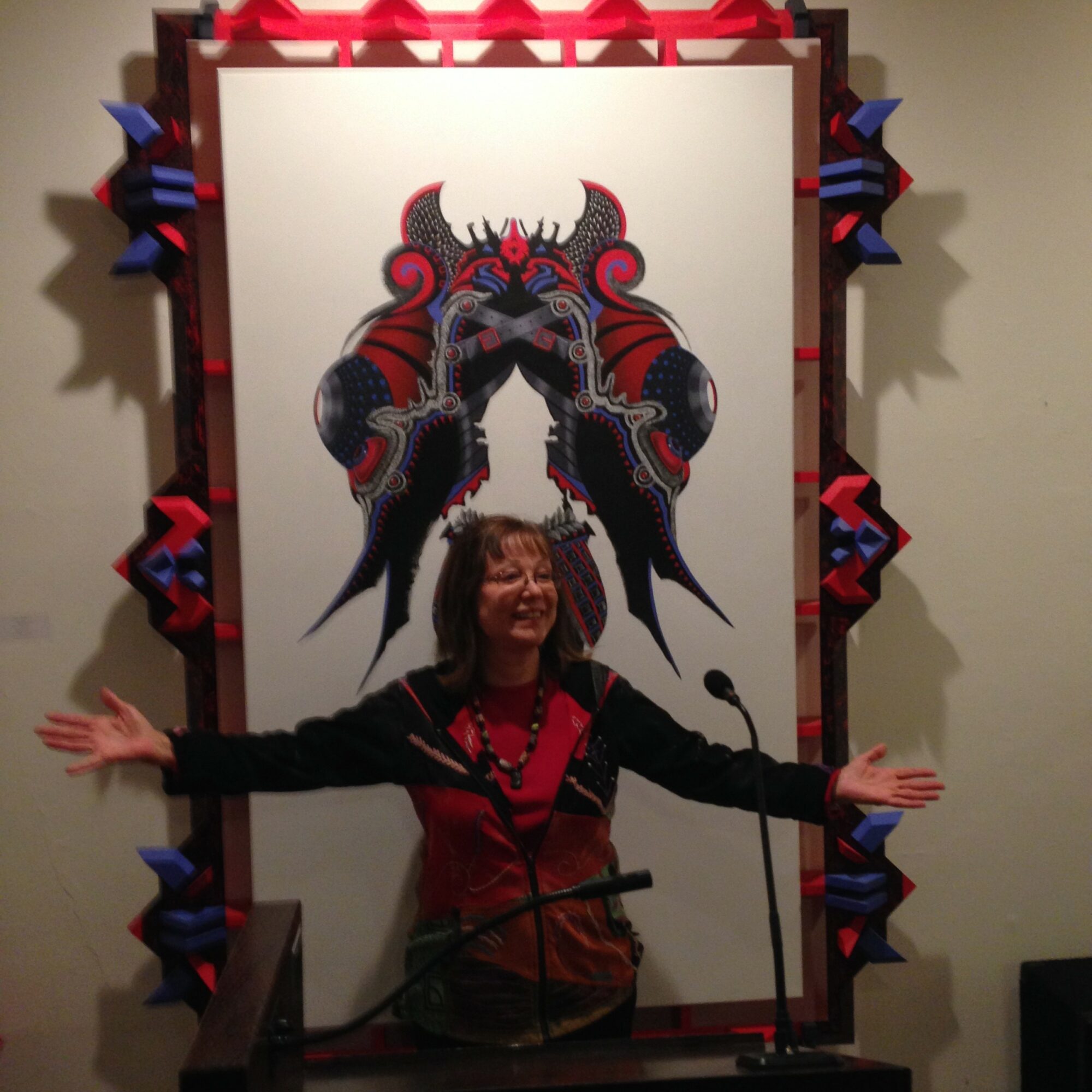
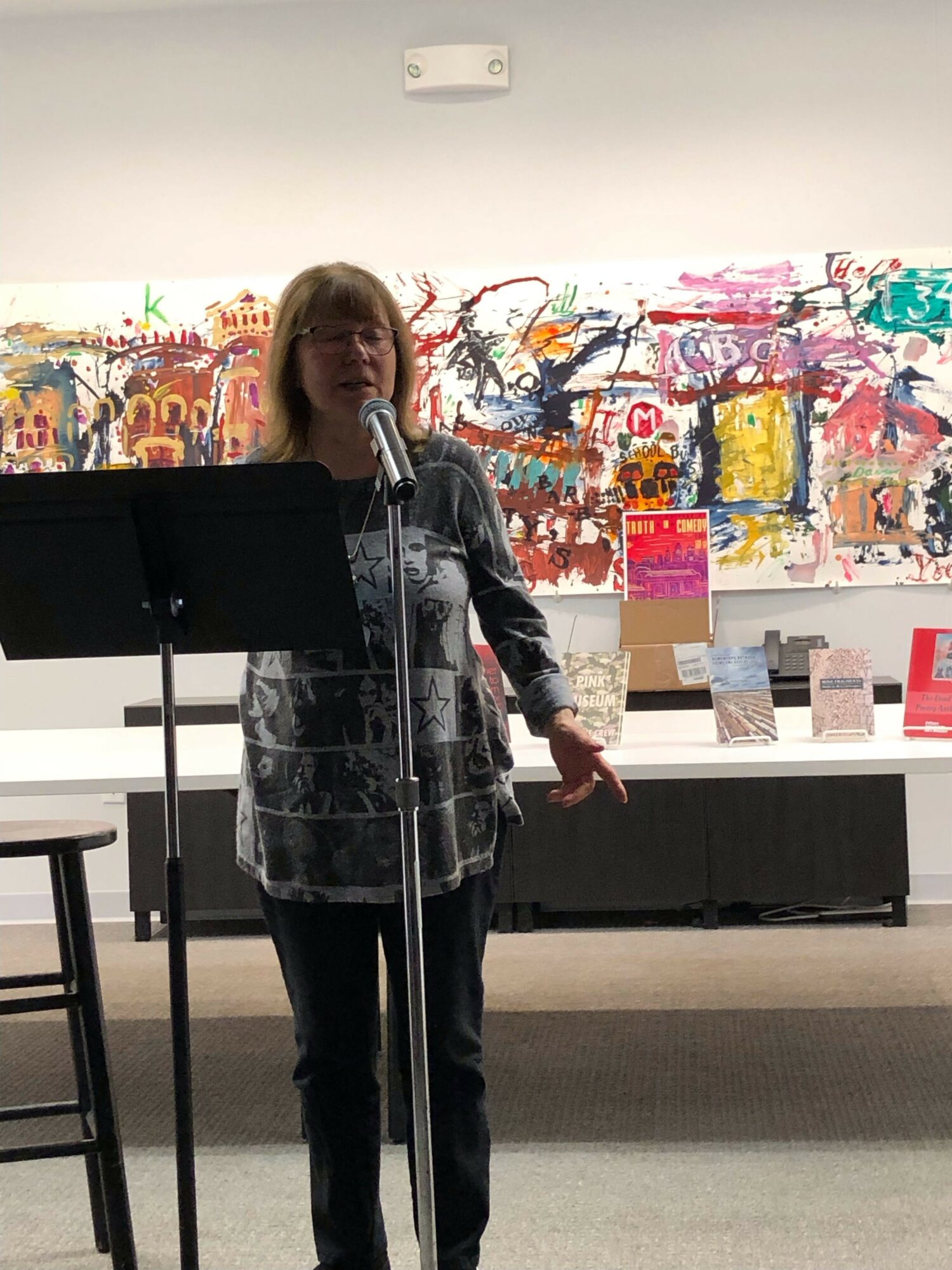
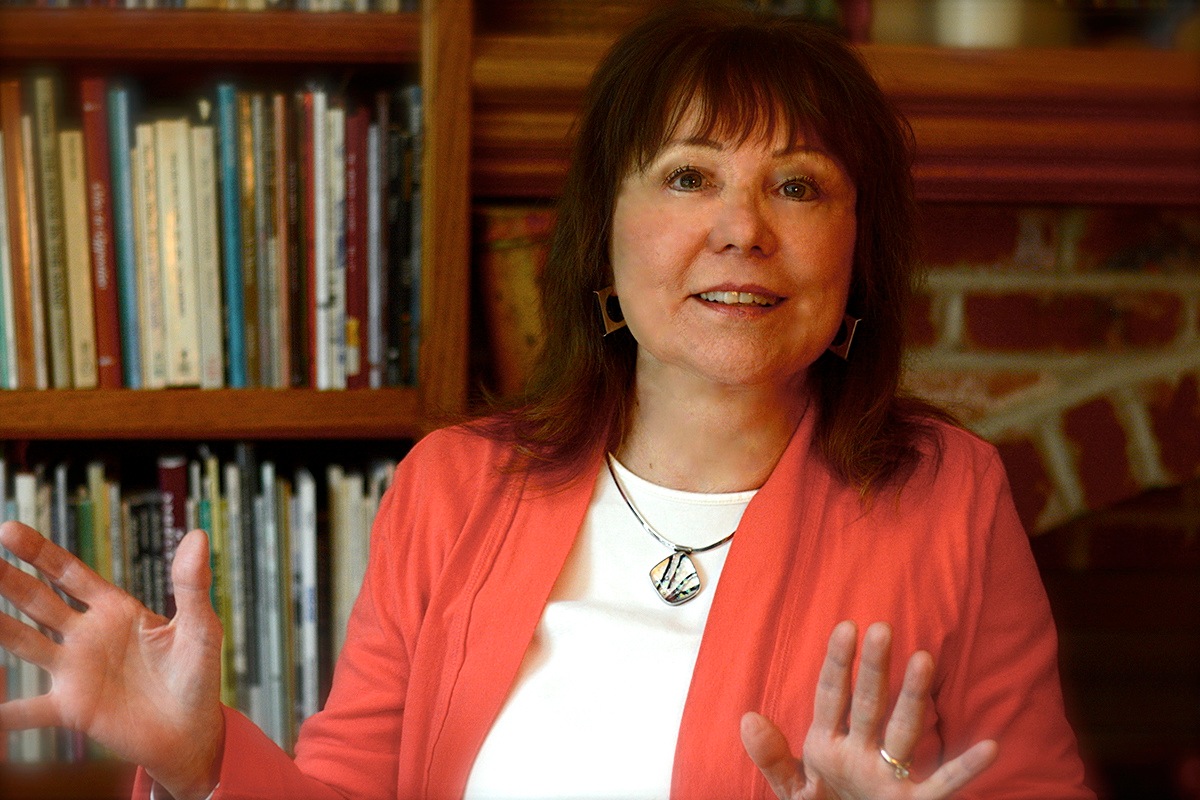
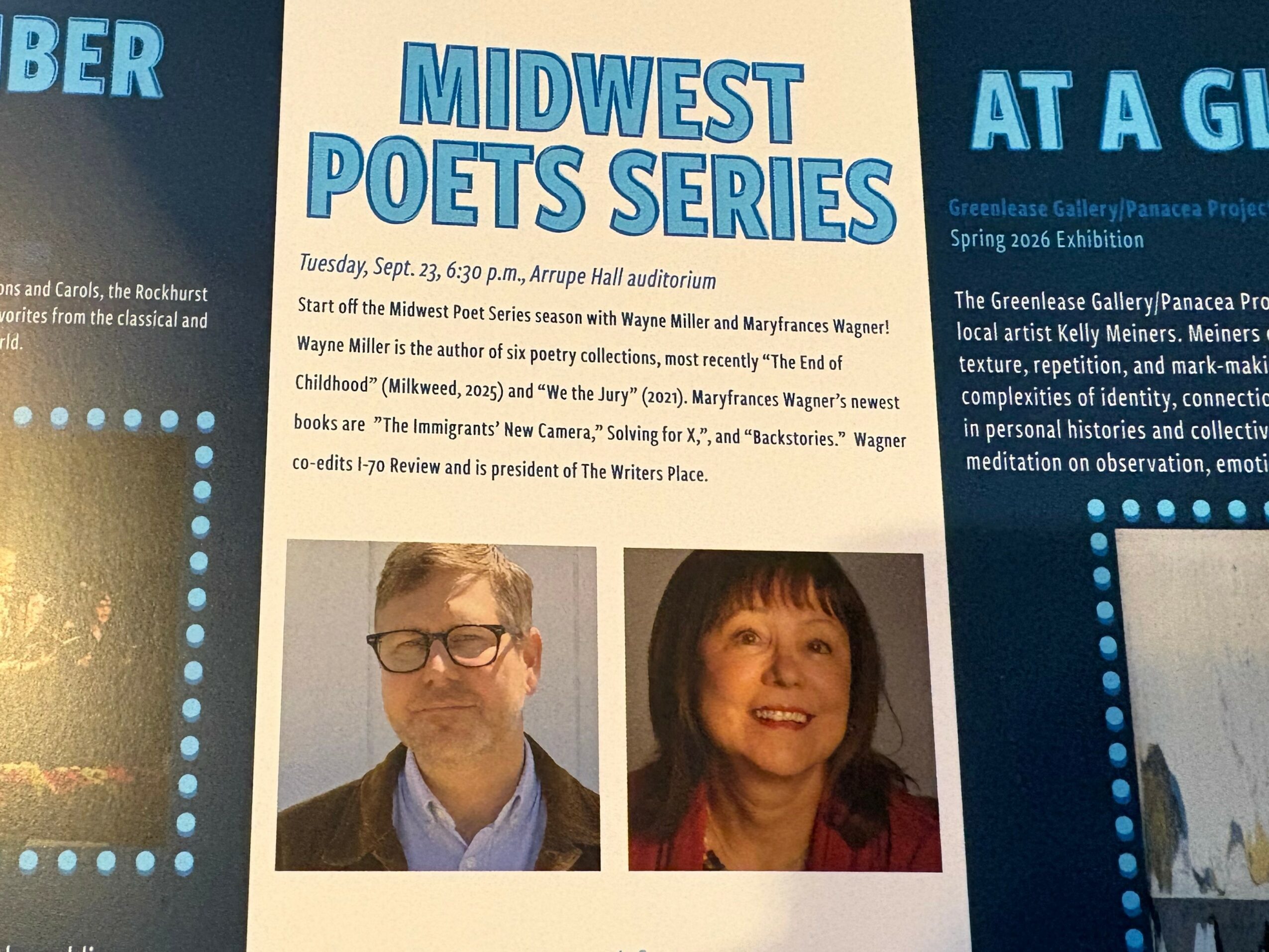
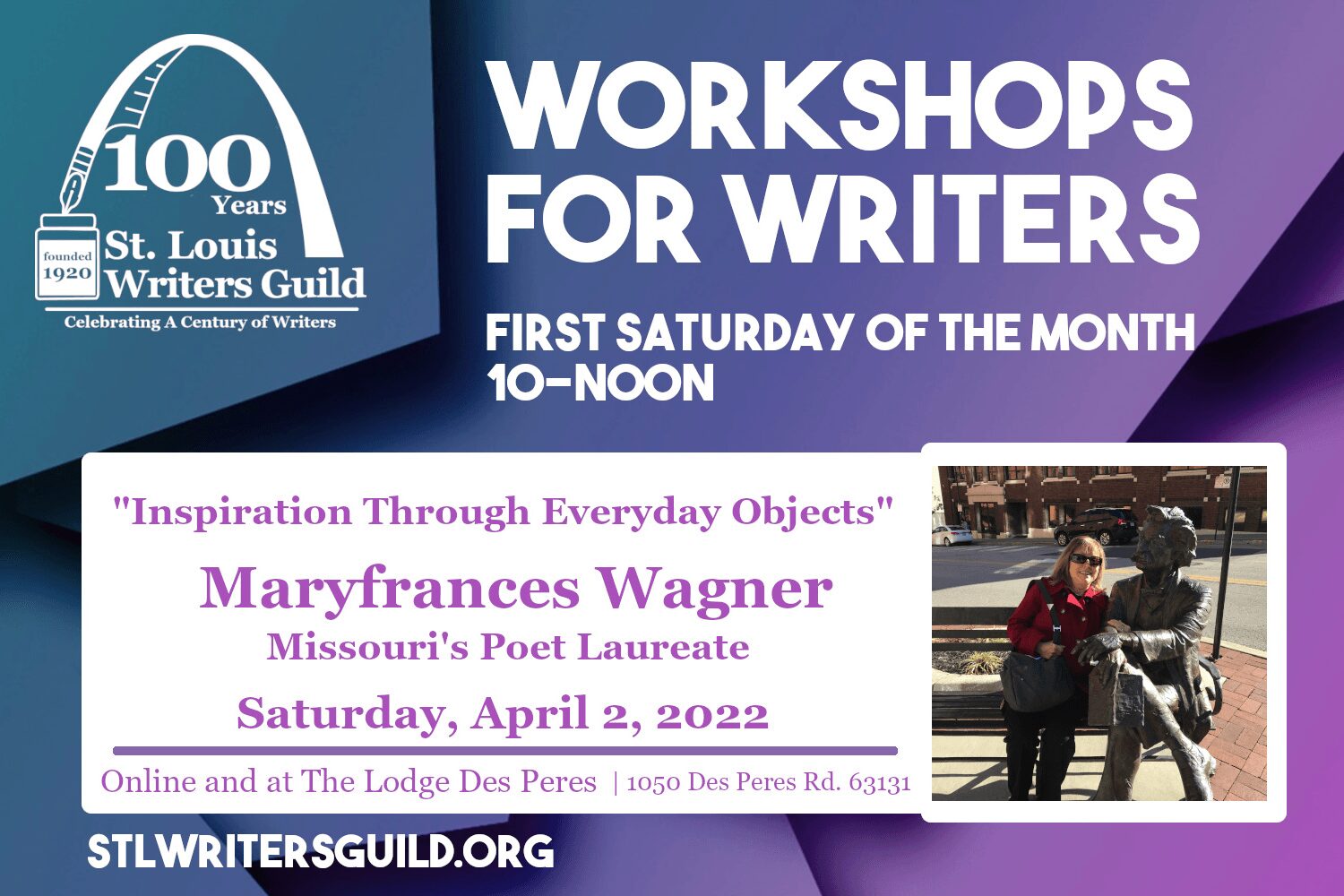
I suppose I would divide my life into three different areas: teacher, poet, and community builder. When I began writing poetry, my father encouraged me to remember my heritage. Many of my poems are about my family. One of my books, The Immigrants’ New Camera is a memoir in poems of my family. I’ve published eleven books of poems and am working on a new one now. I also served from 2021-2023 as Missouri Poet Laureate, and that experience brought with it many adventures and poignant moments. Also, I have been a teacher at all levels. I have taught high school and college classes as well as many workshops all over the state. I still teach a few workshops. As the president of the Writers Place, I try to build a literary community that welcomes all people to attend workshops, readings, parties, and social events. It’s actually hard to put my whole life into a small summary because I have had so many wonderful parts to my life. I also served on the Kansas City Creates board for many years in an effort to bring the arts together and to support creatives in Kansas City.
I’m sure it wasn’t obstacle-free, but would you say the journey has been fairly smooth so far?
As for obstacles, I’d have to say that the first obstacle I encountered was being Italian. Some parents wouldn’t let their children play with me as a child, some teachers were cruel and prejudice, and some peers called me every negative stereotype of Italians. I’ve written a number of poems about these experiences.
Getting published also comes with its share of challenges. Finding a good publisher or landing a poem in a good journal is not an easy task. An acceptance is always a thrill, but rejections come with stings even though having a poem or book of poems chosen is at the mercy of one or two editors.
Trying to build community also comes with challenges. It’s hard work to support and advocate for others, but it’s been what I’ve done most of my life. I always tried to champion my students as well as fellow writers. I try to bring together good experiences for writers of all ages and diversity.
Thanks for sharing that. So, maybe next you can tell us a bit more about your work?
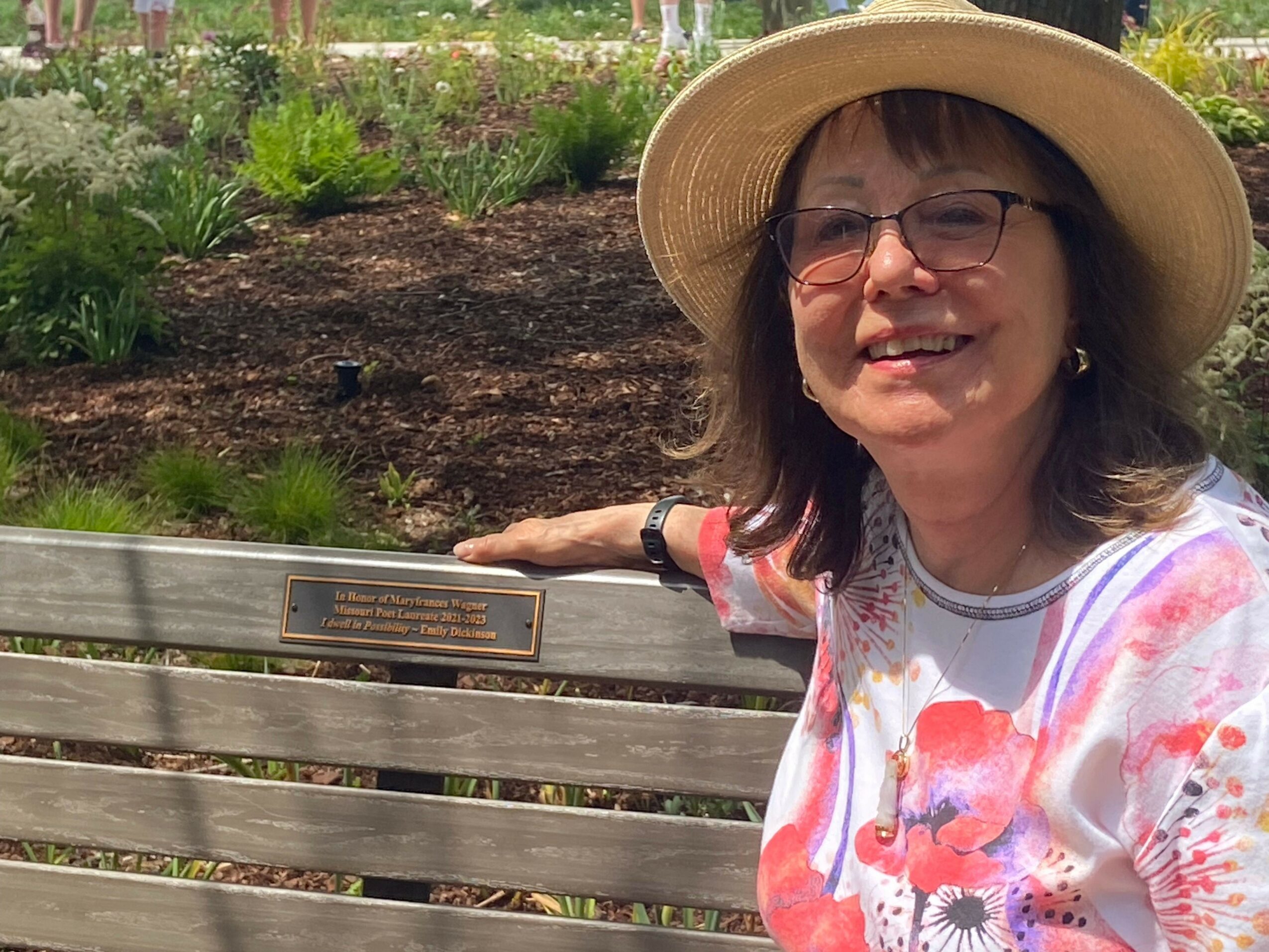
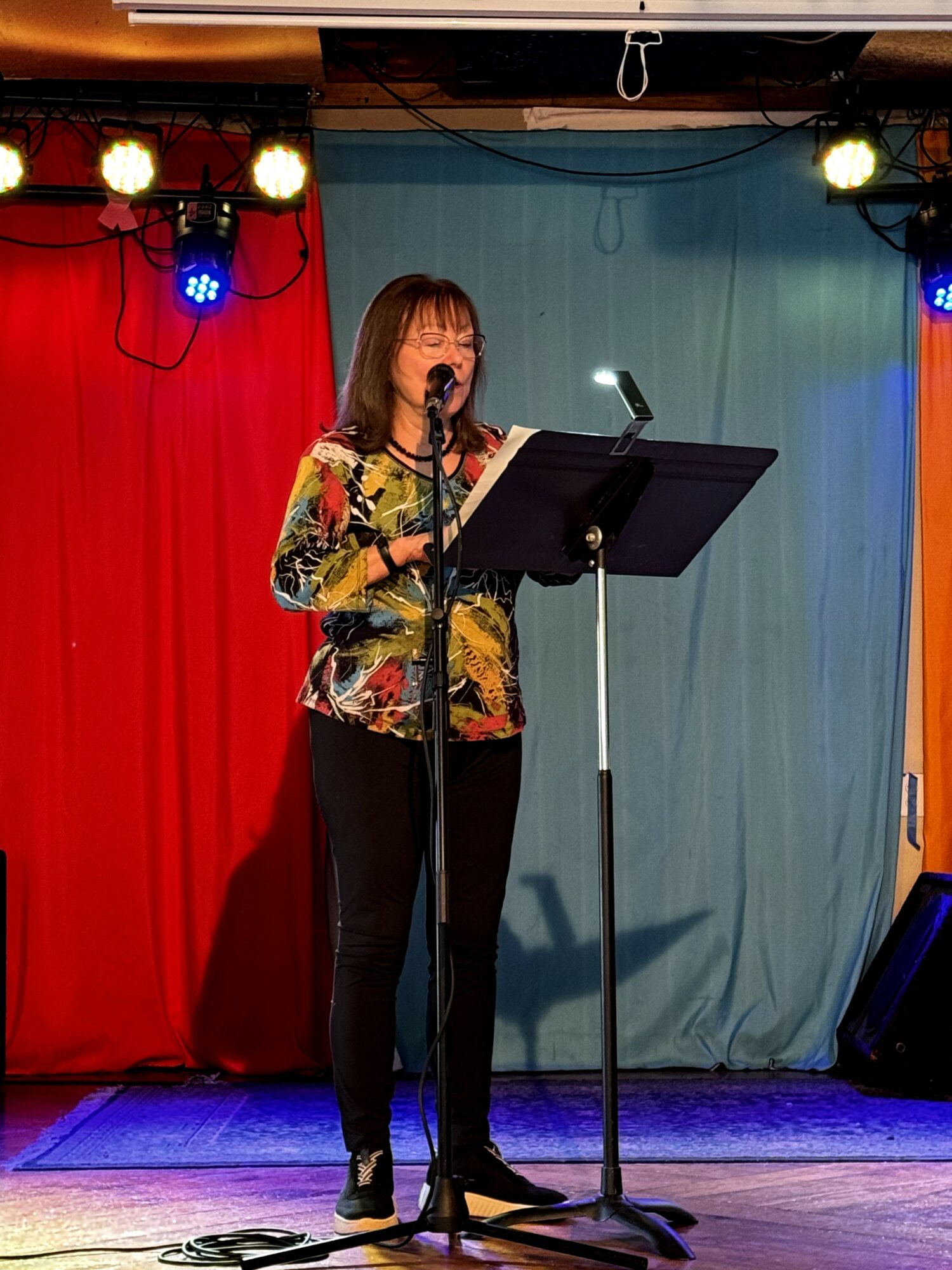
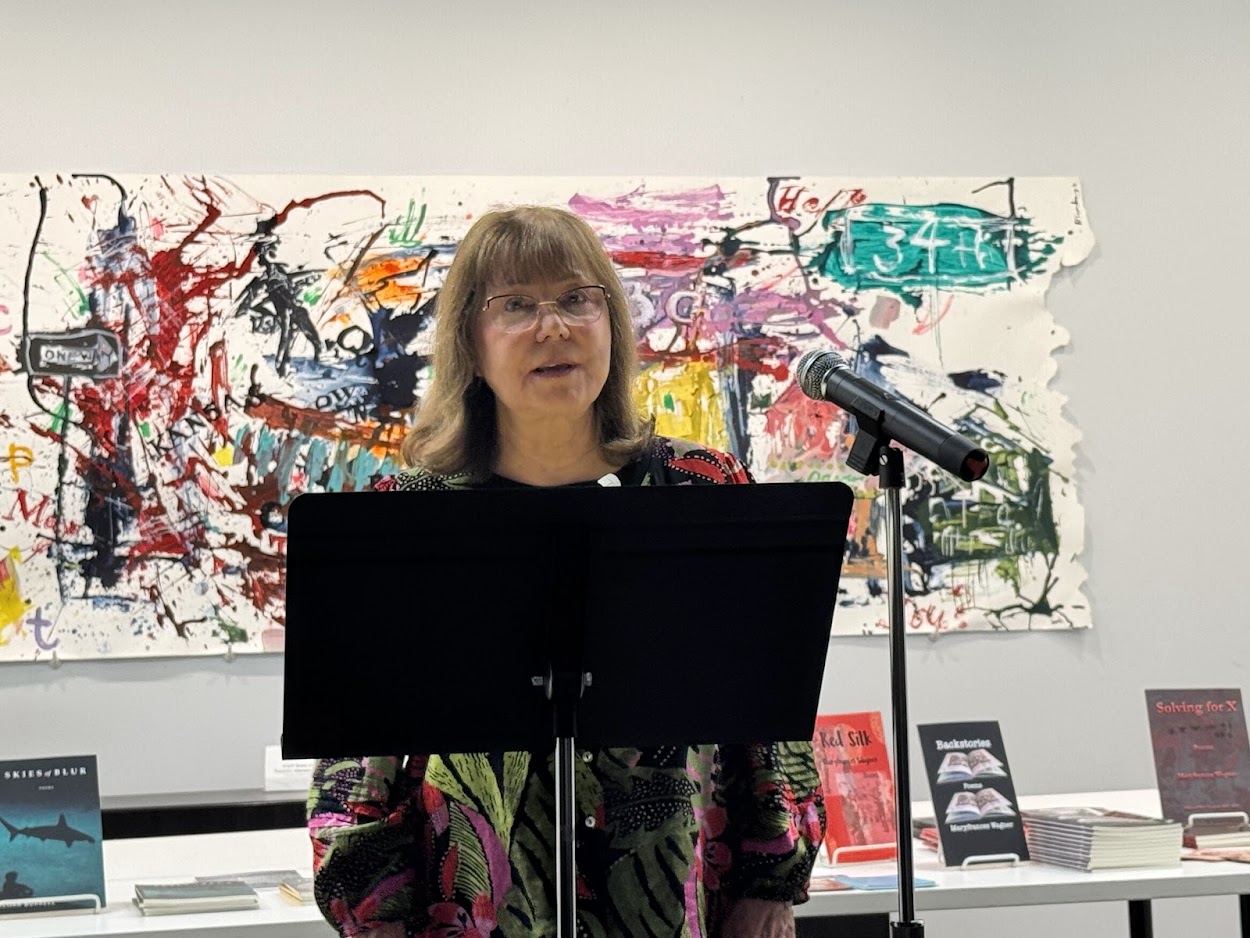
I am primarily a poet. I’ve published eleven collections of poems, the most recent are The Immigrants’ New Camera, Solving for X, Silence of Red Glass, and Backstories. Red Silk was reissued in 2025 and won 2nd place in the Eric Hoffer Legacy Award and was in the top five for the Eric Hoffer Poetry Grand Award. Red Silk also won the Thorpe Menn Award for Literary Excellence. My work is widely published in literary journals, anthologies, and textbooks, such as New Letters, Midwest Quarterly, Laurel Review, American Journal of Poetry, Poetry East, Voices in Italian Americana, Main Street Rag, Rattle, Unsettling America: An Anthology of Contemporary Multicultural Poetry (Penguin), Literature Across Cultures (Pearson/Longman), et. al. My poems appear on plaques in a park in Warrensburg and one poem will be part of the DESE state testing in Massachusetts. I have a bench in the Emily Dickinson garden at the Arboretum in Kansas with my name on it for dedicated service to the arts.
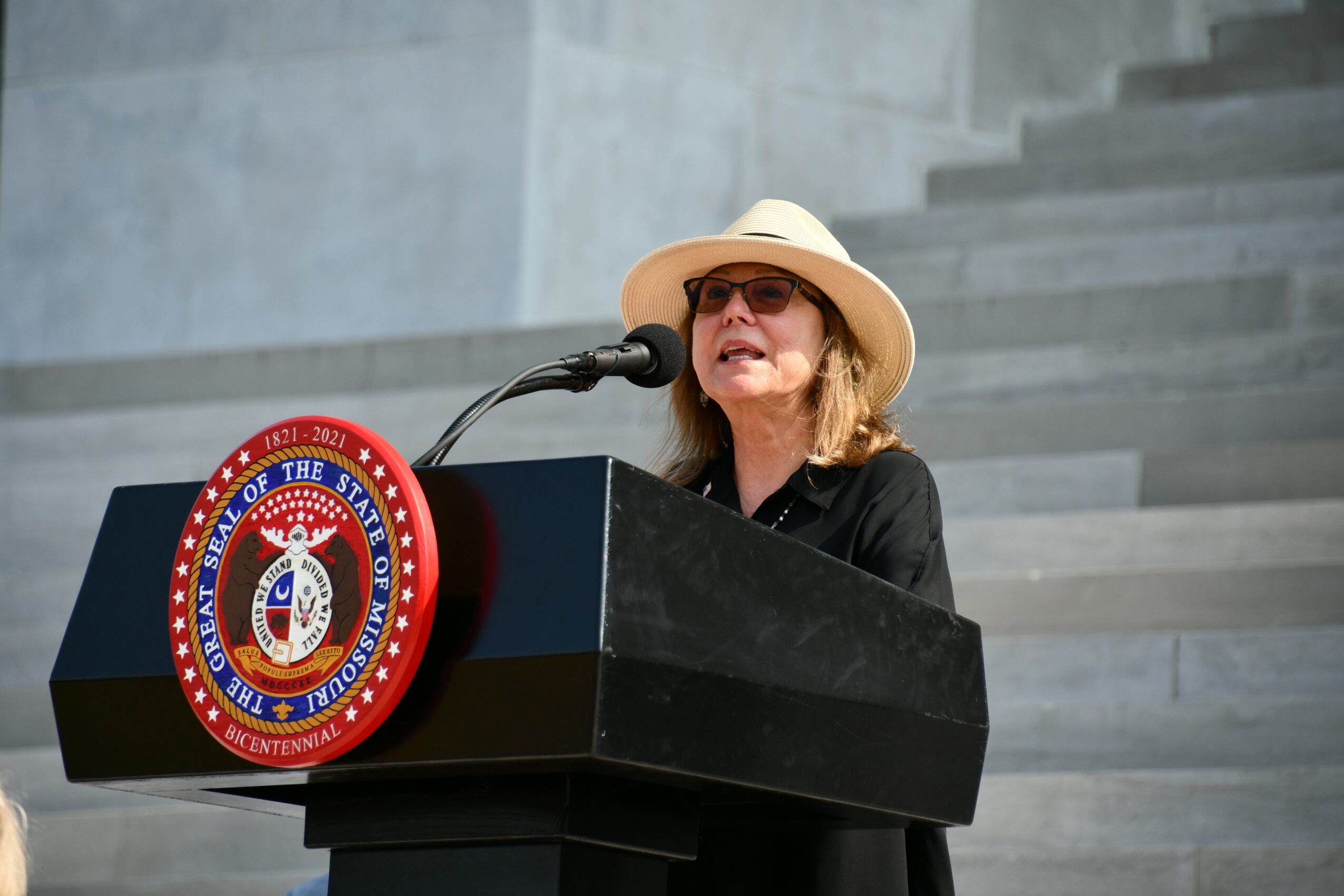
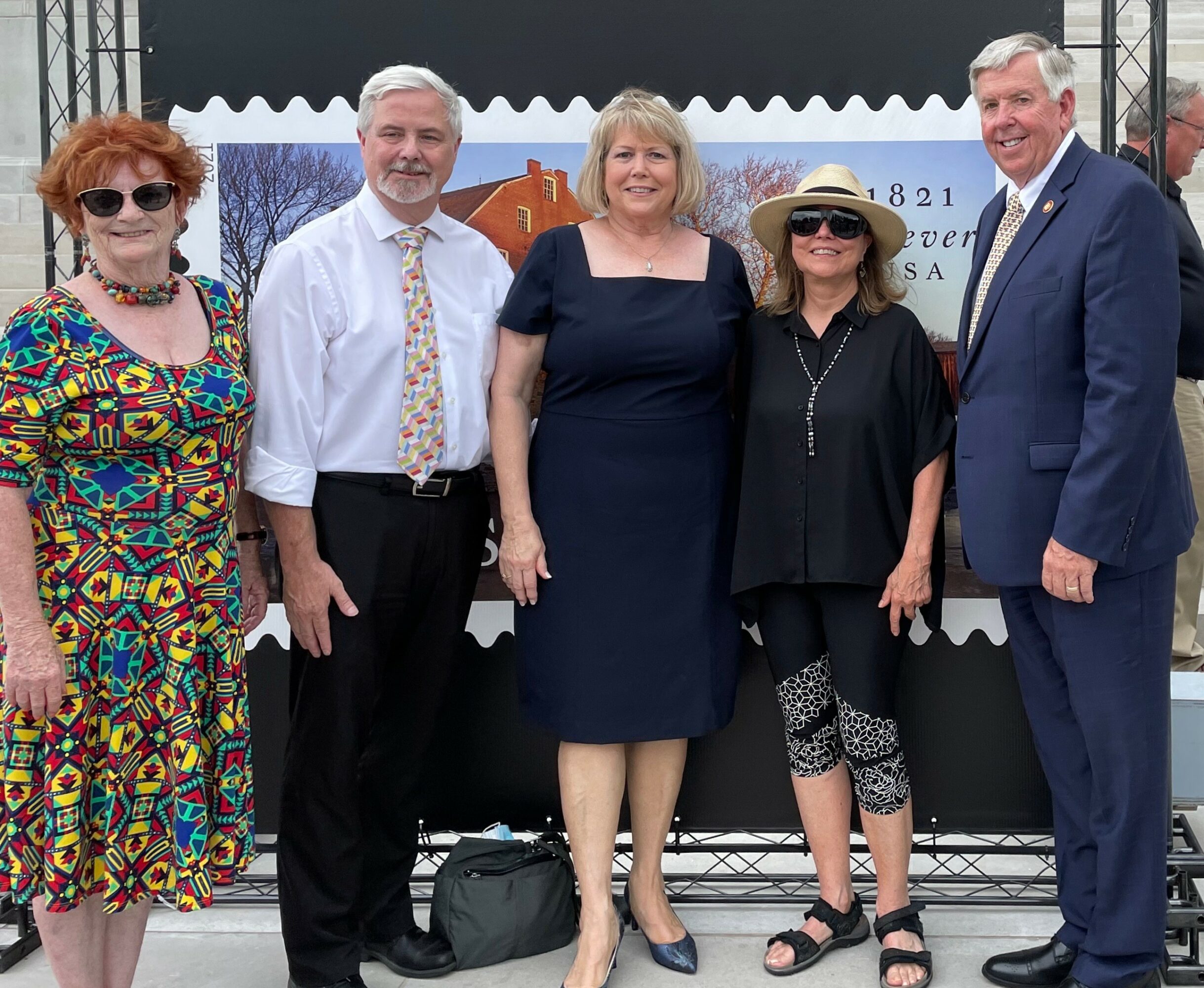
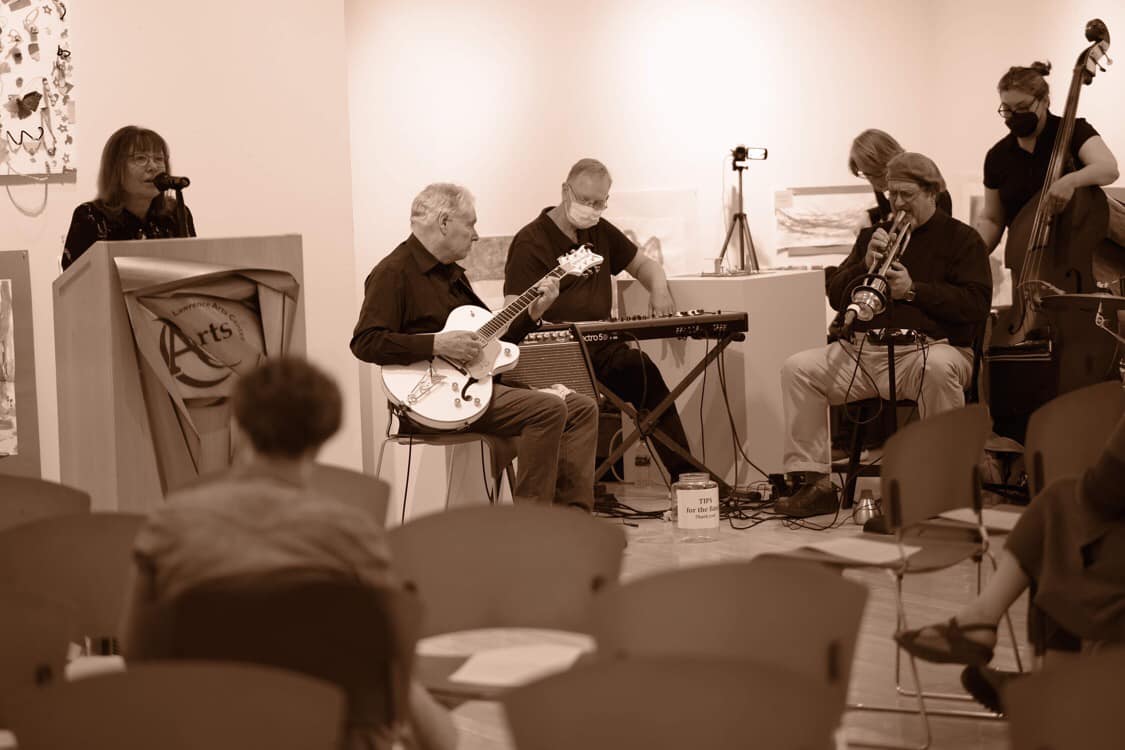
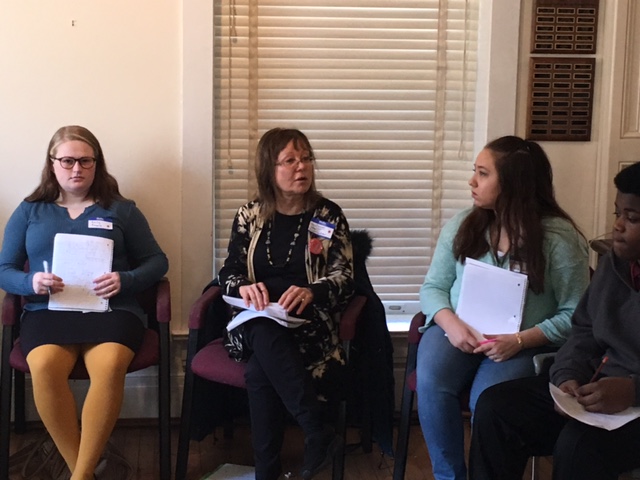
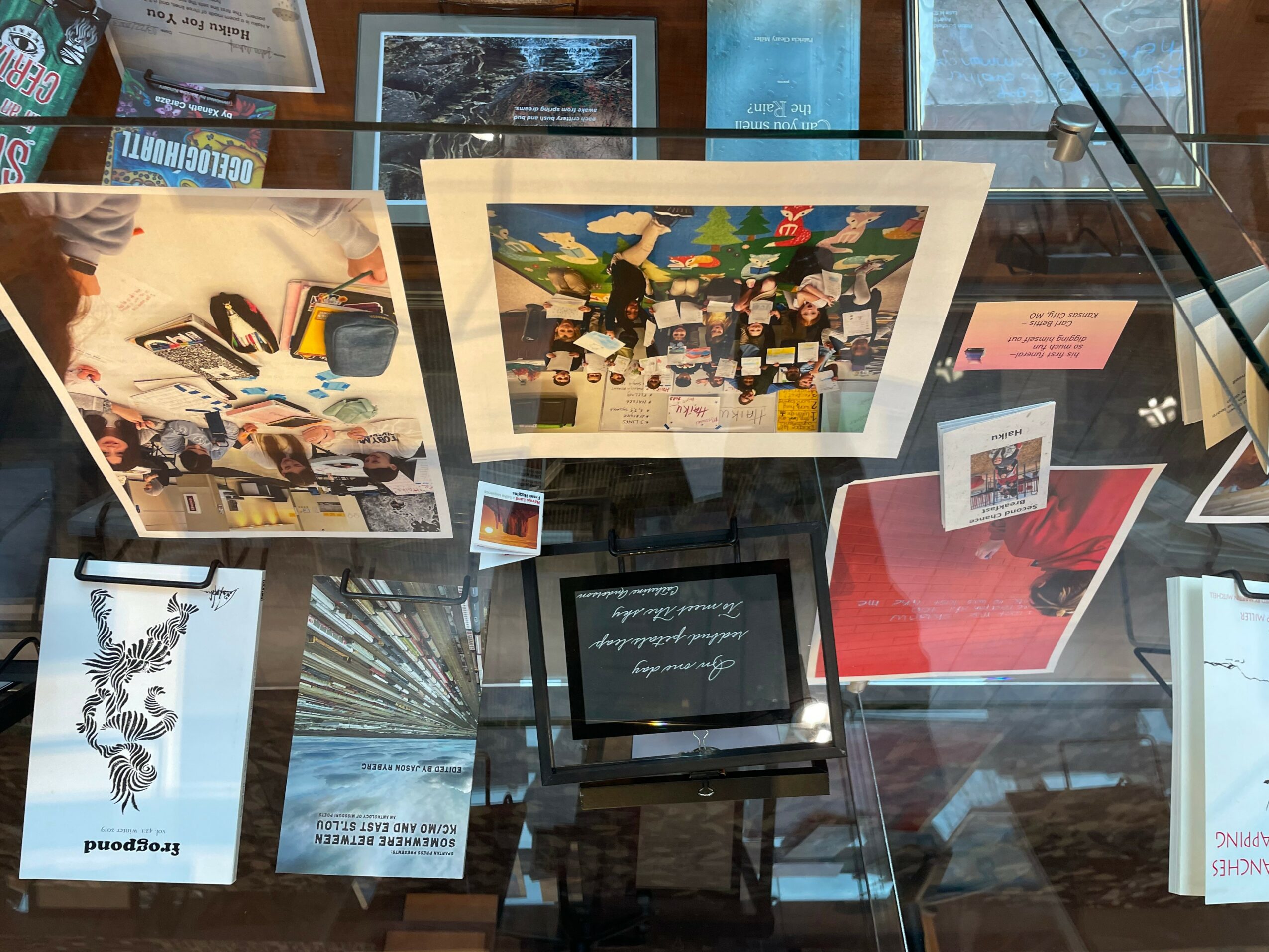
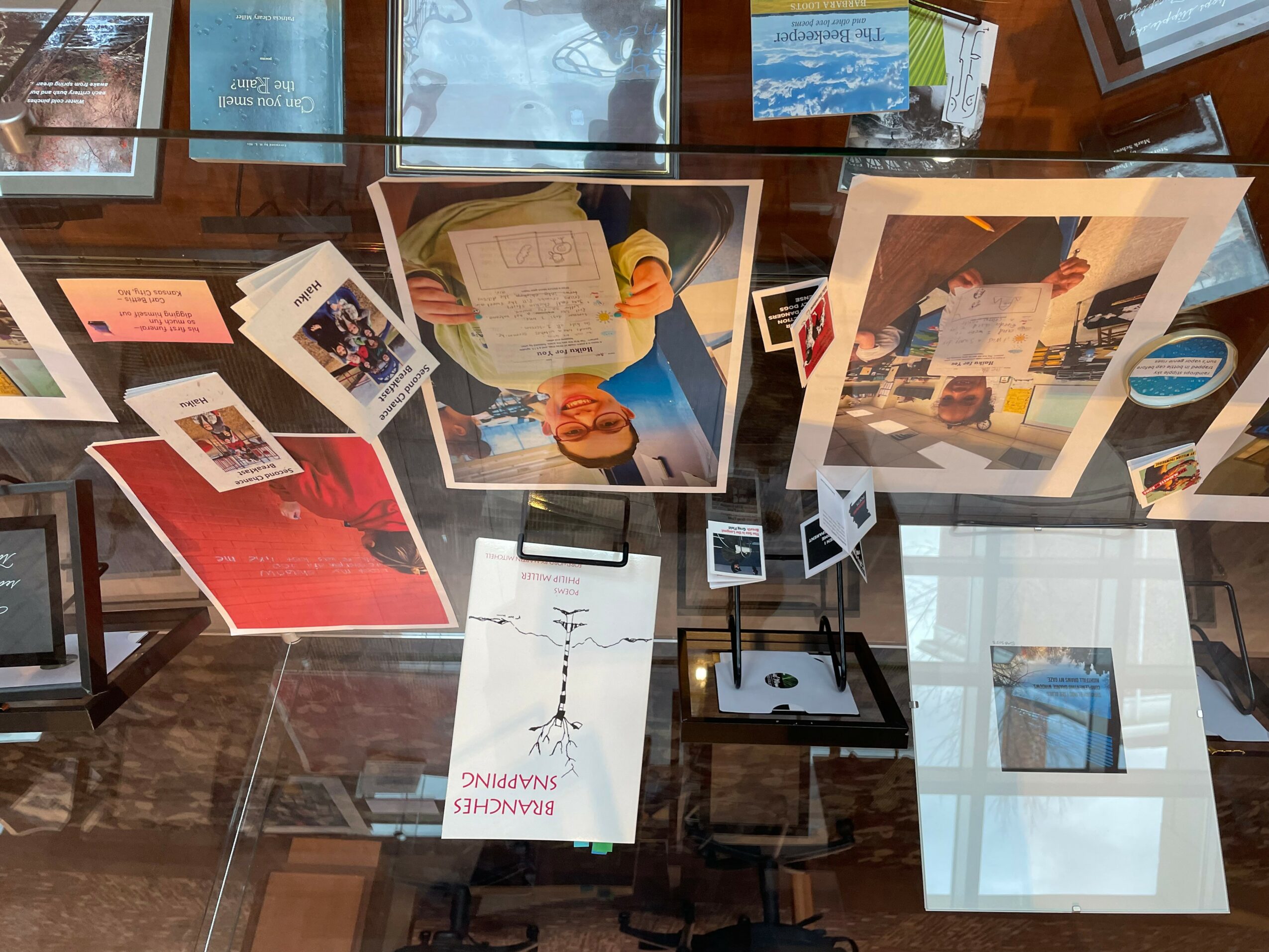
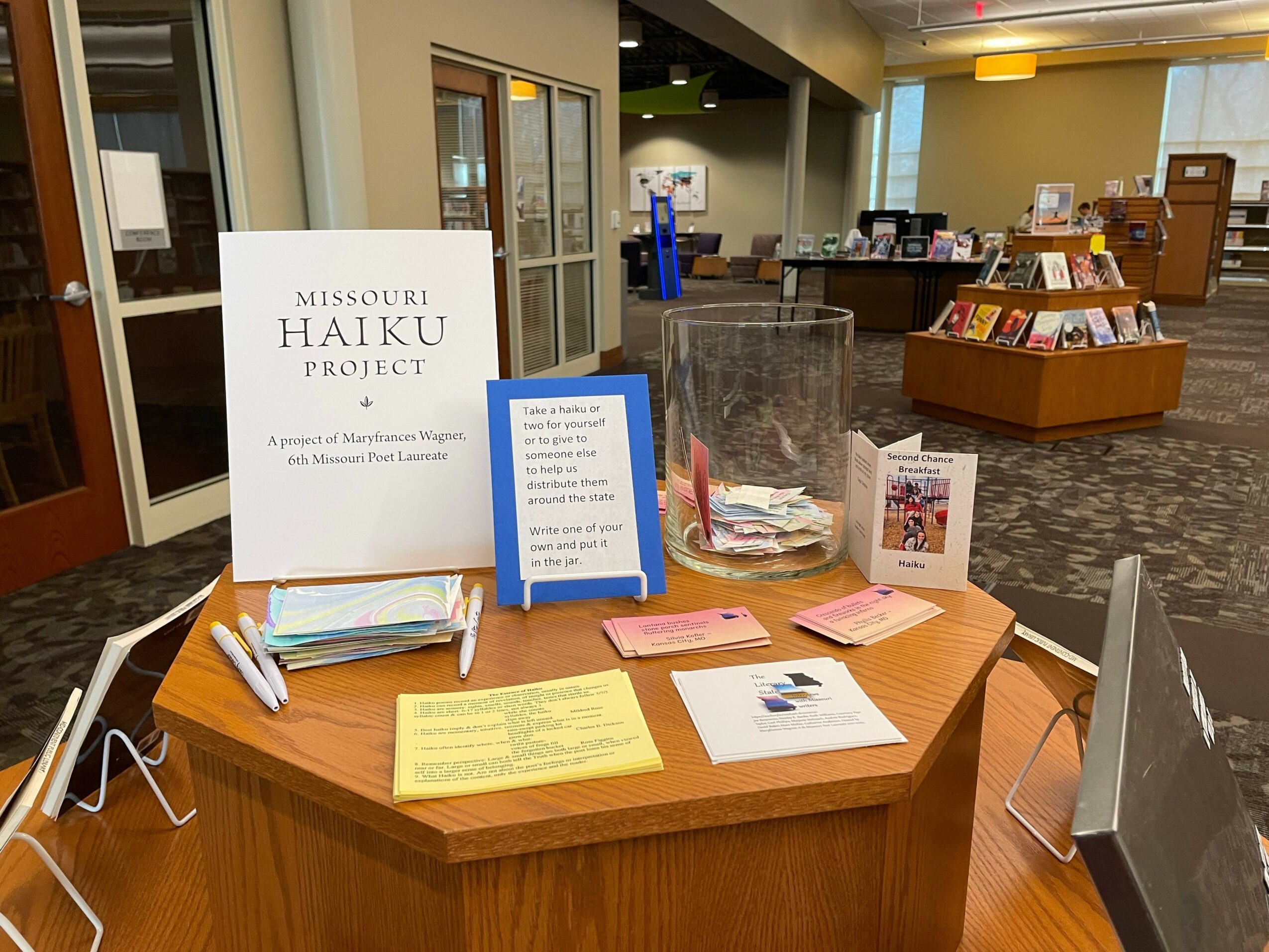
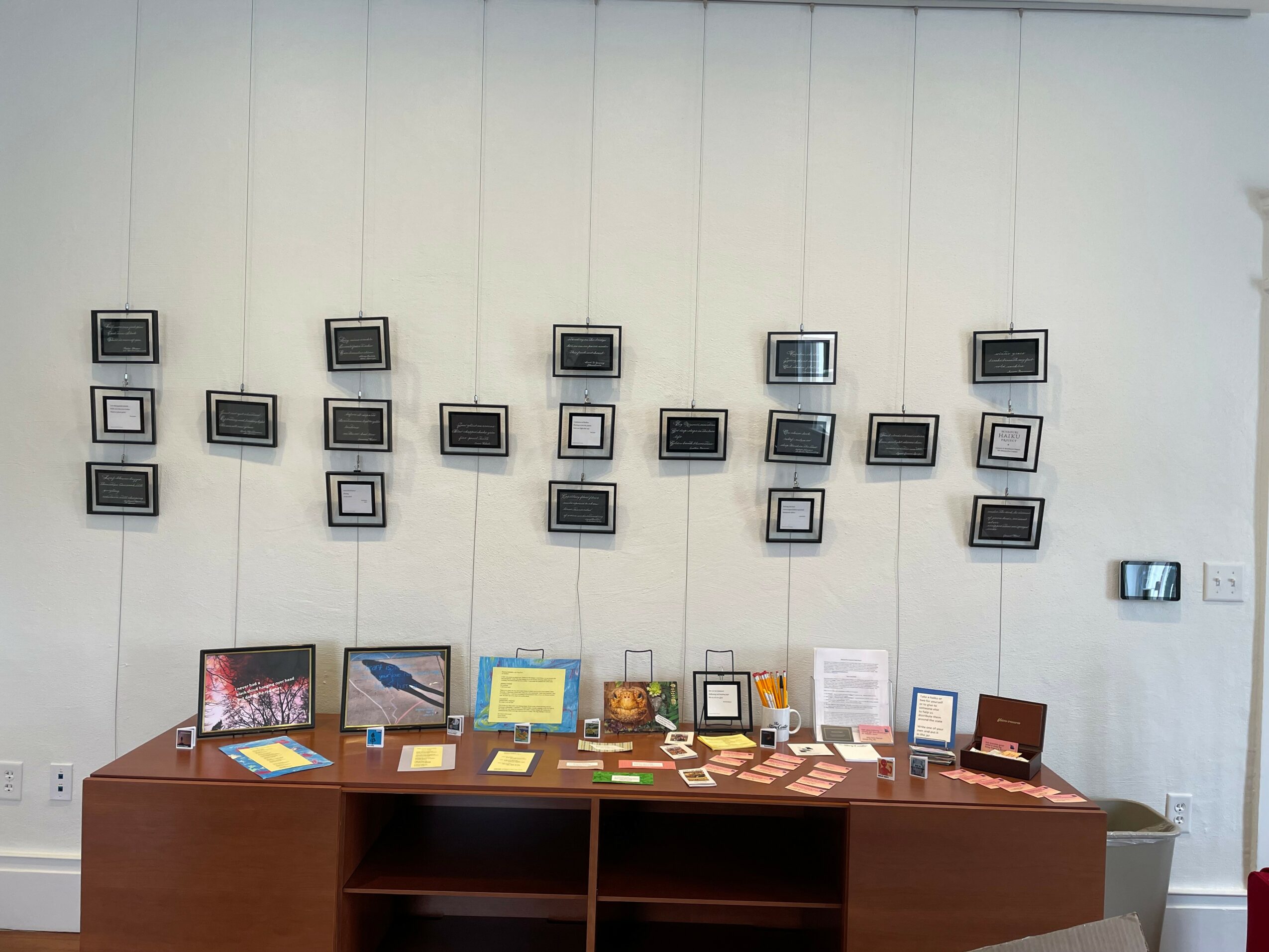
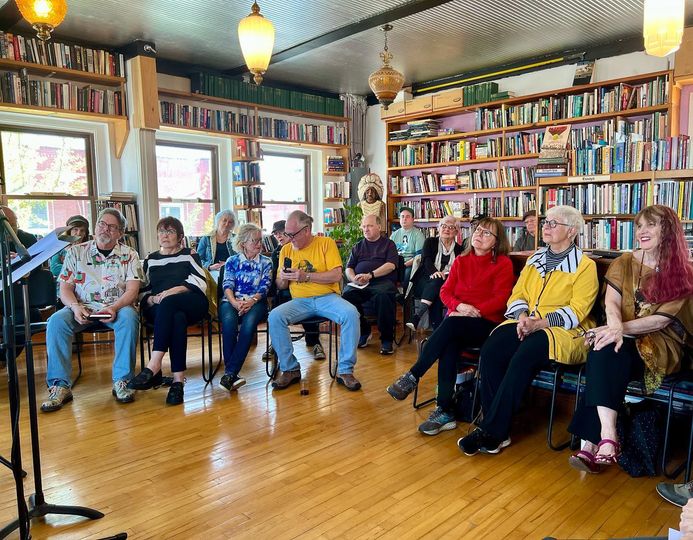
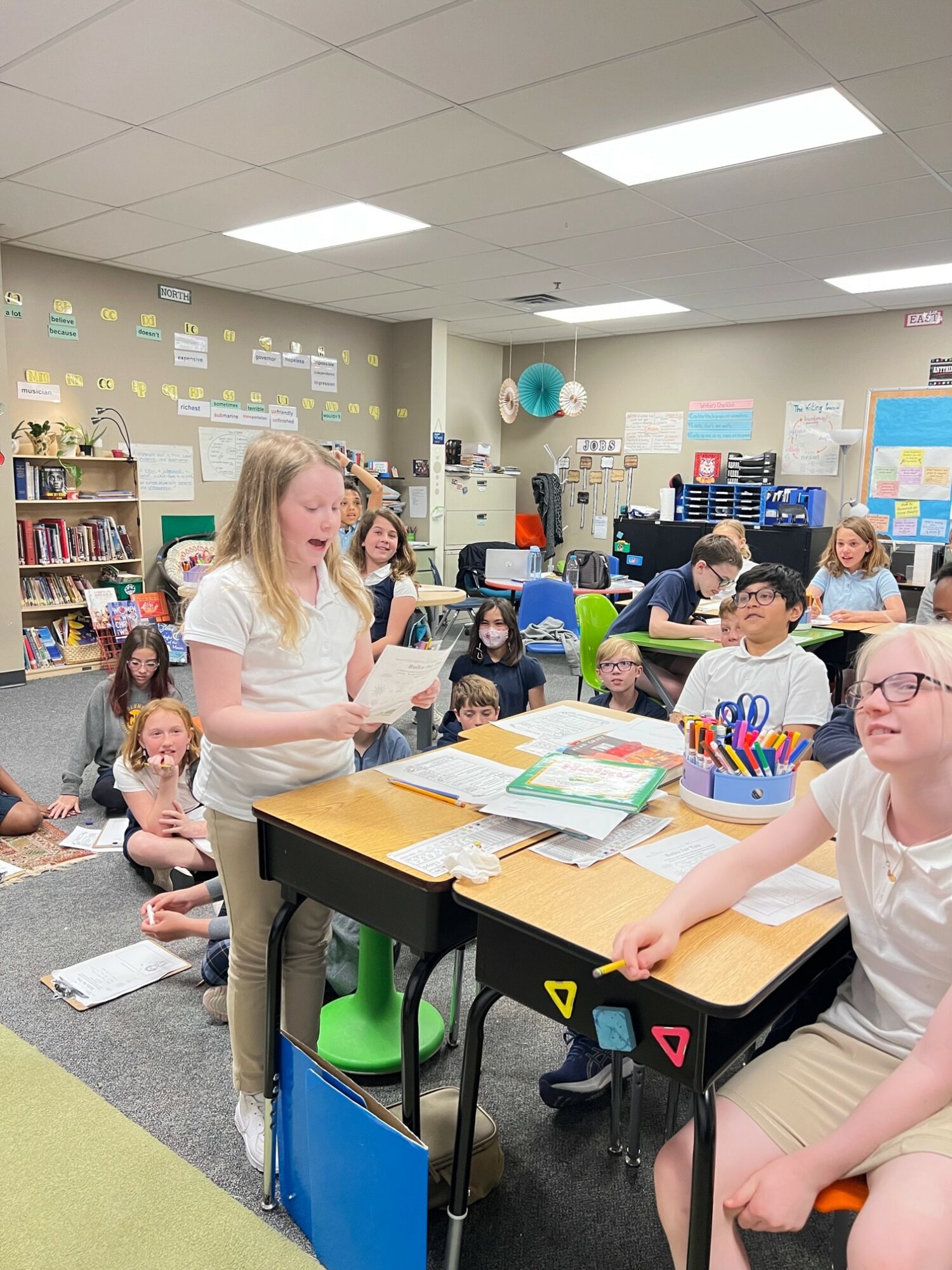
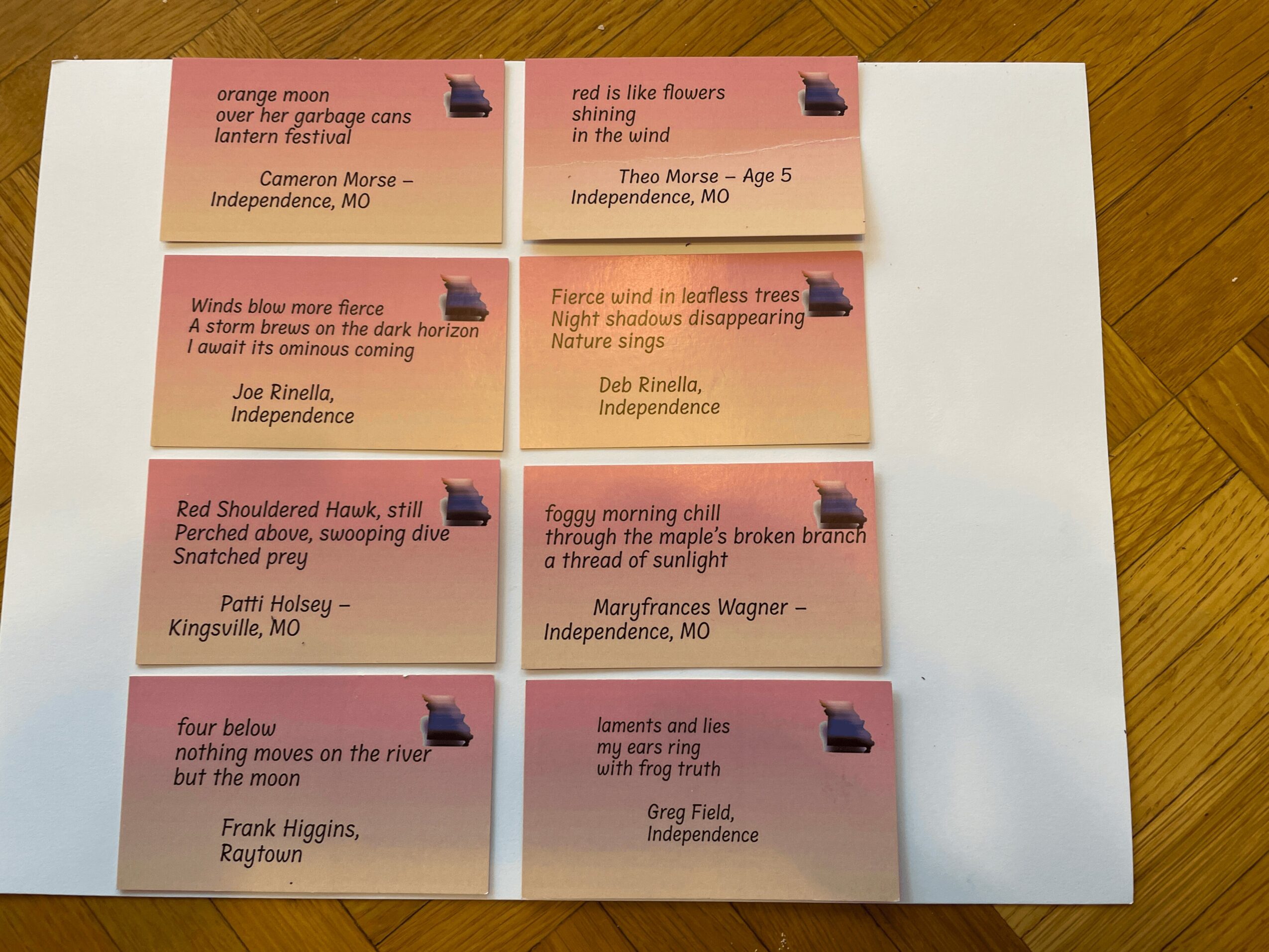
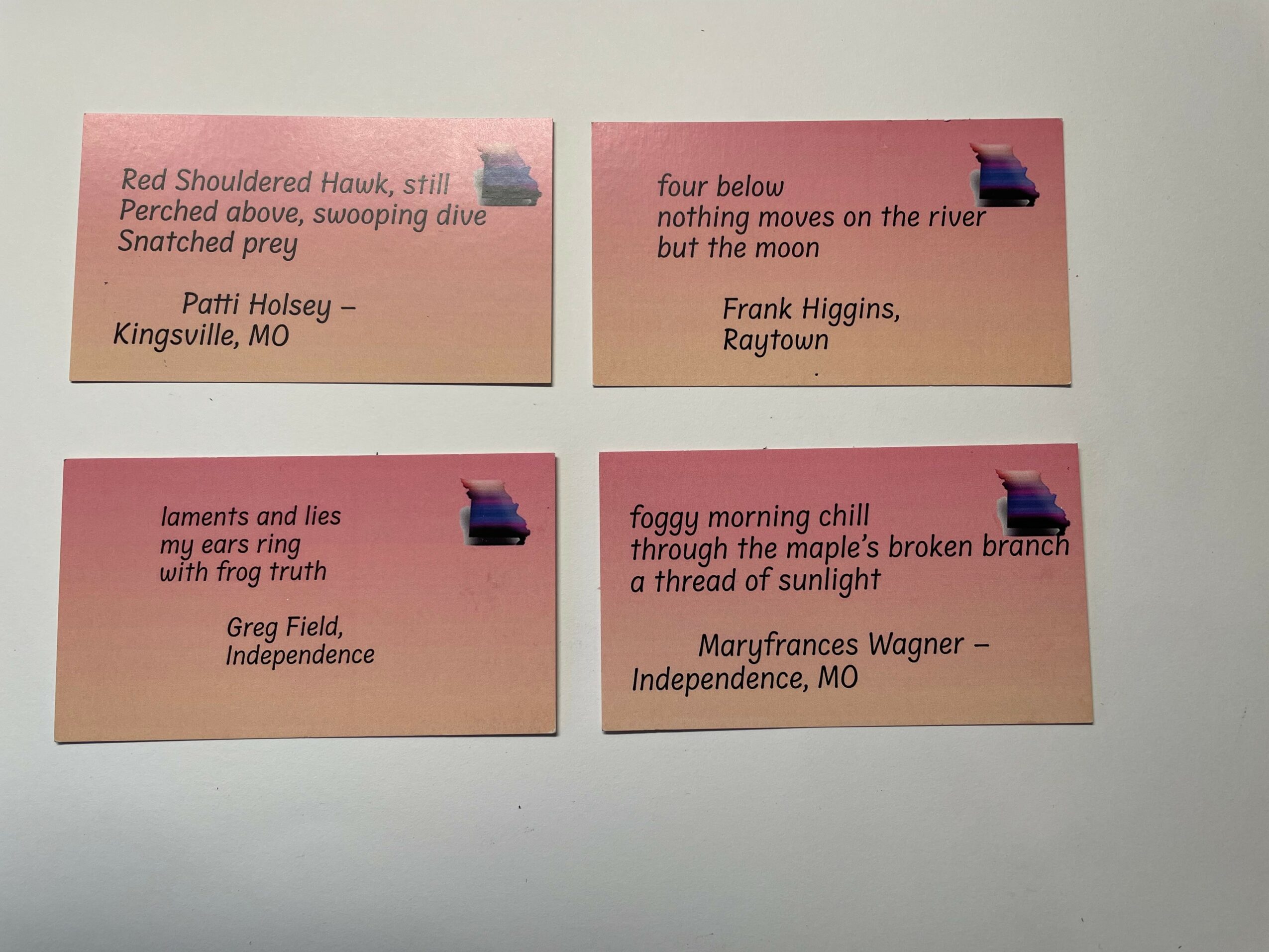
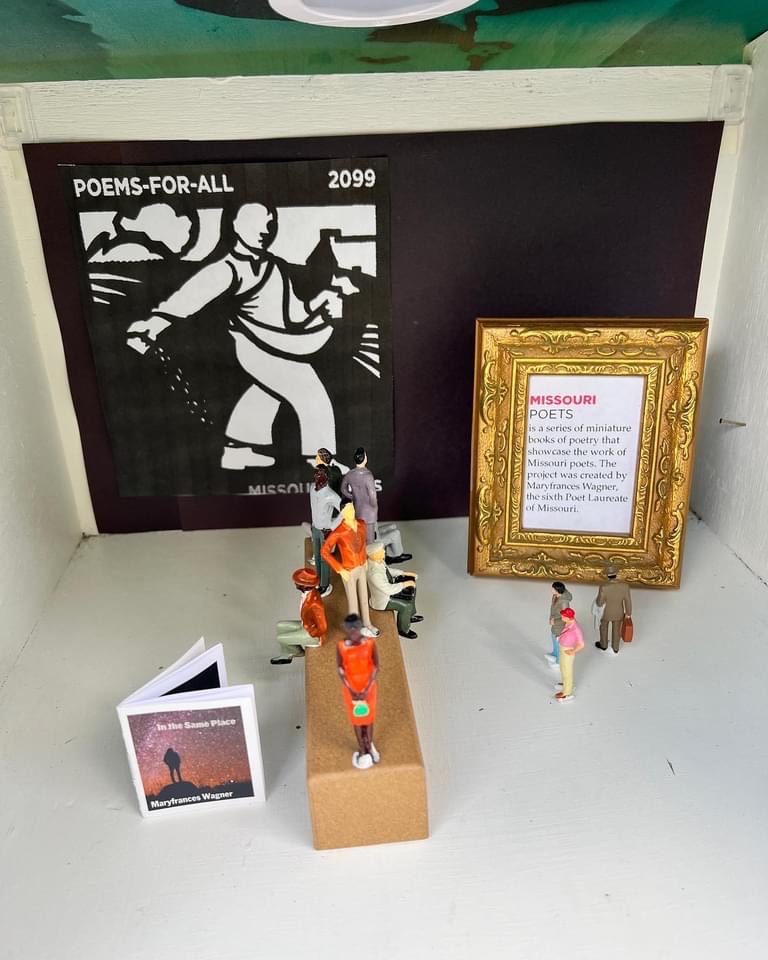
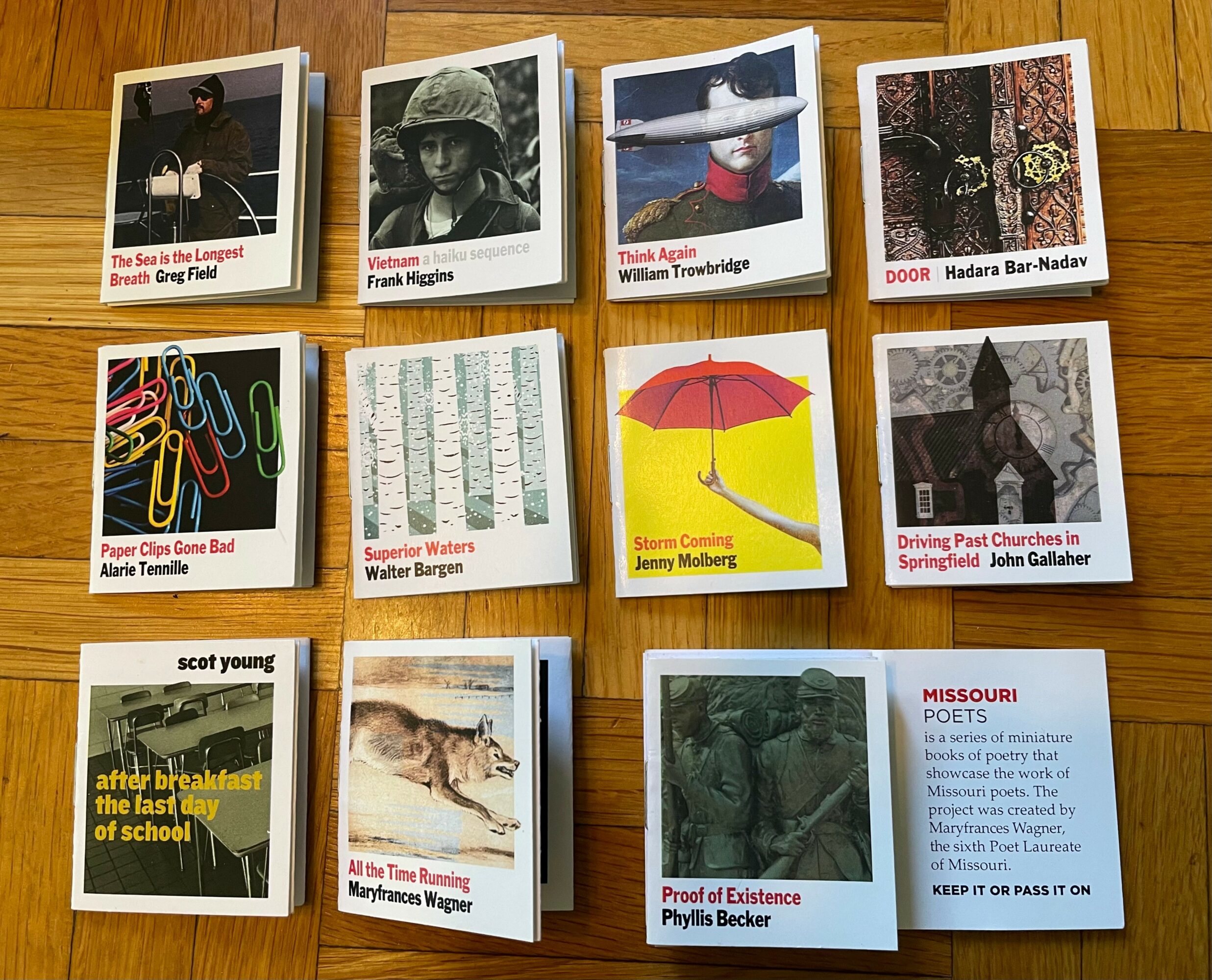
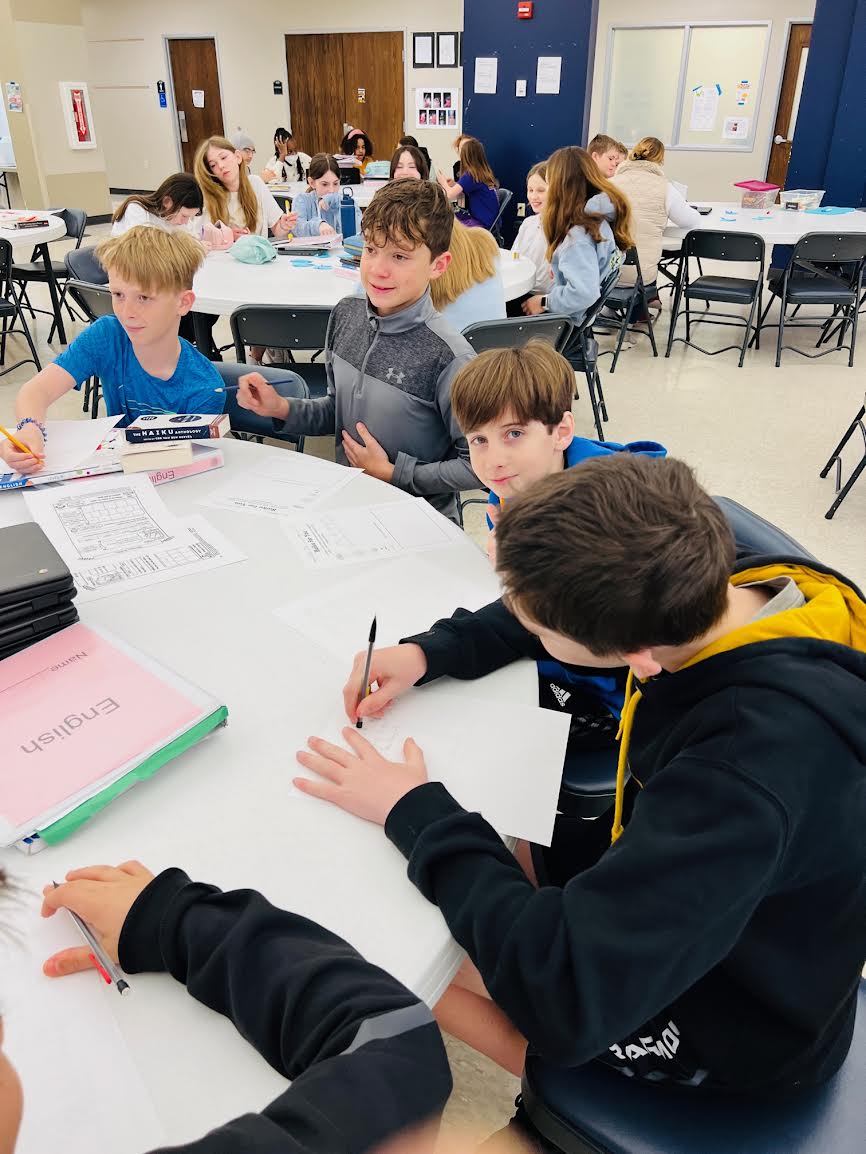
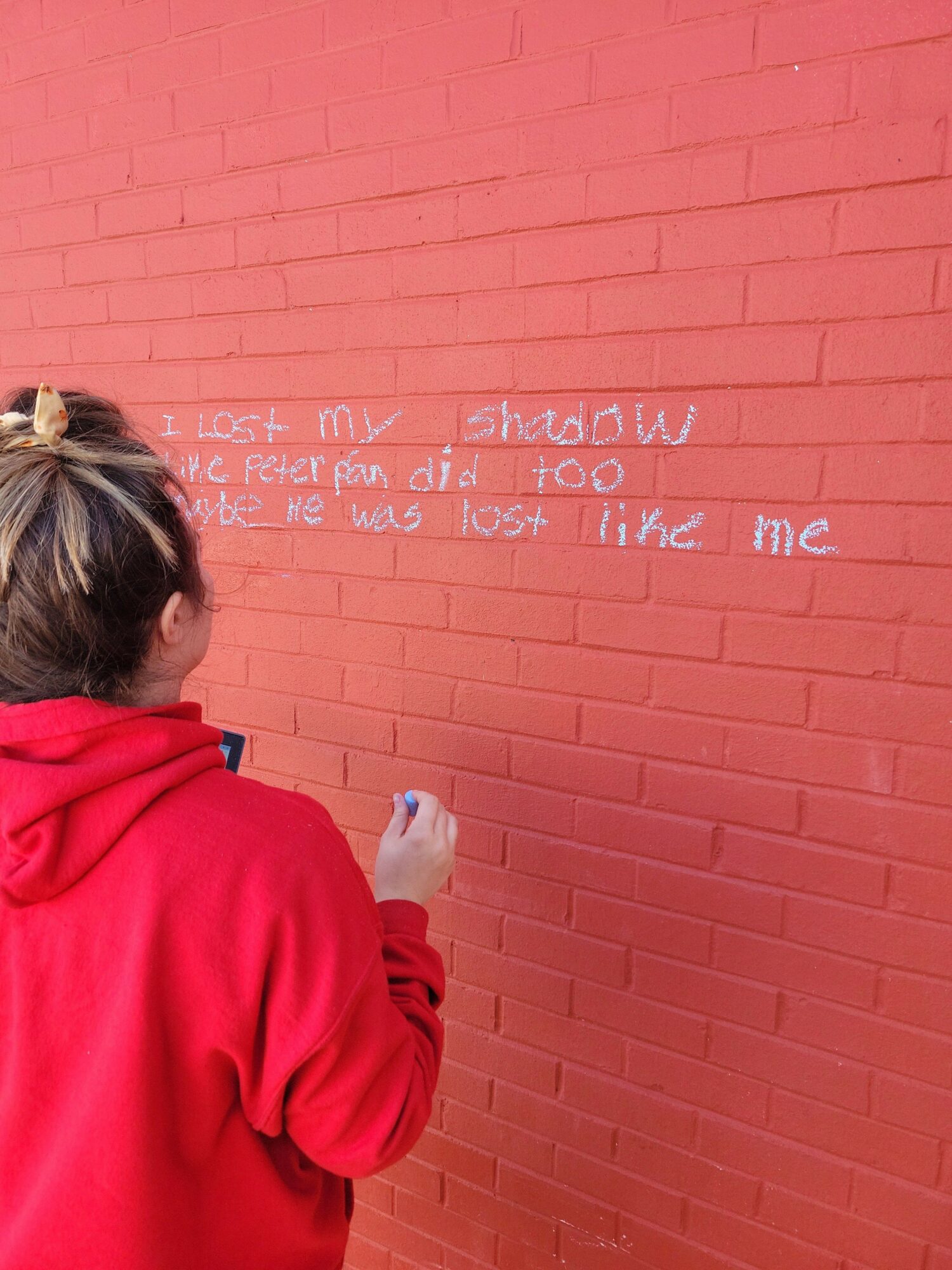
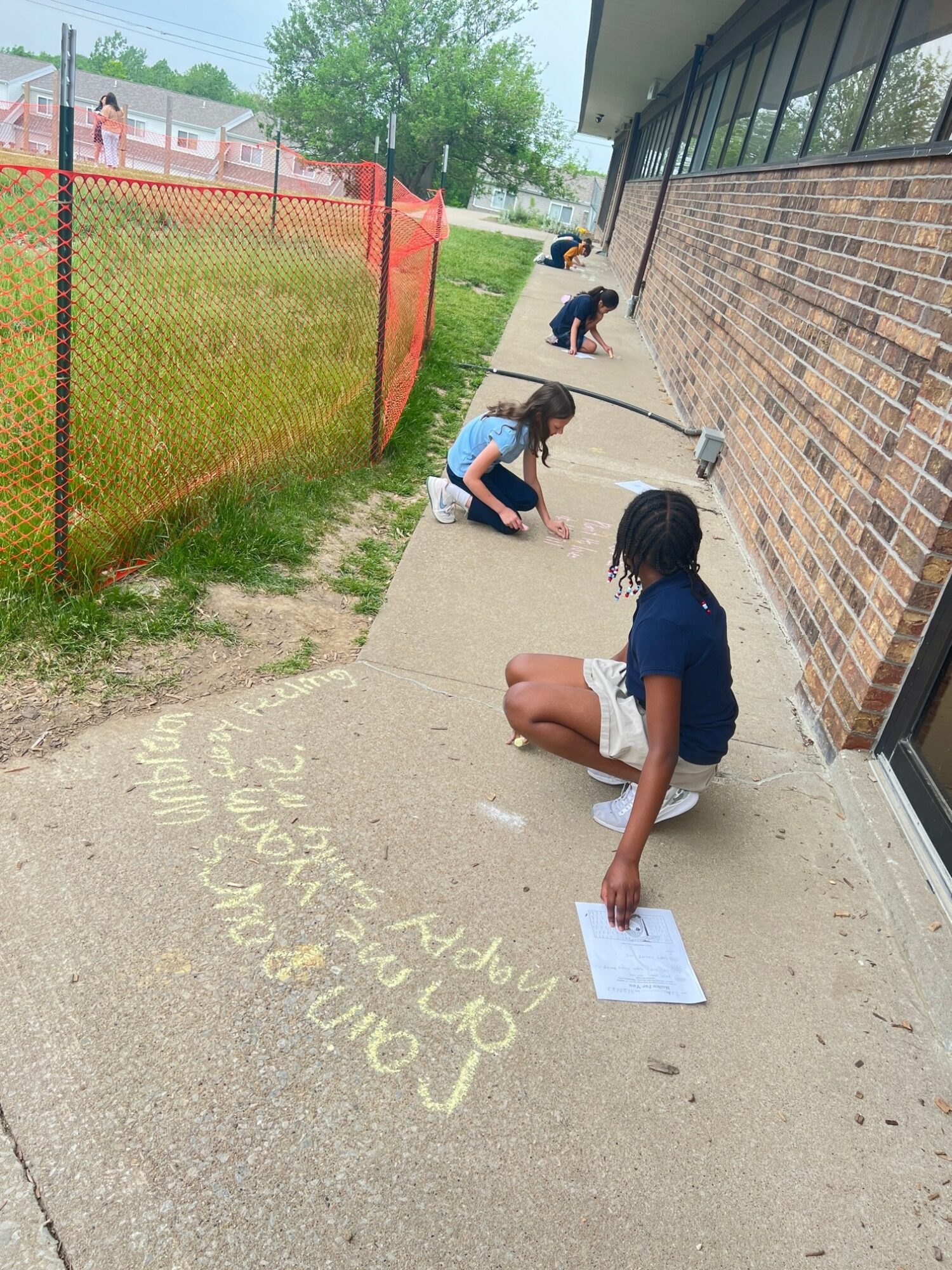
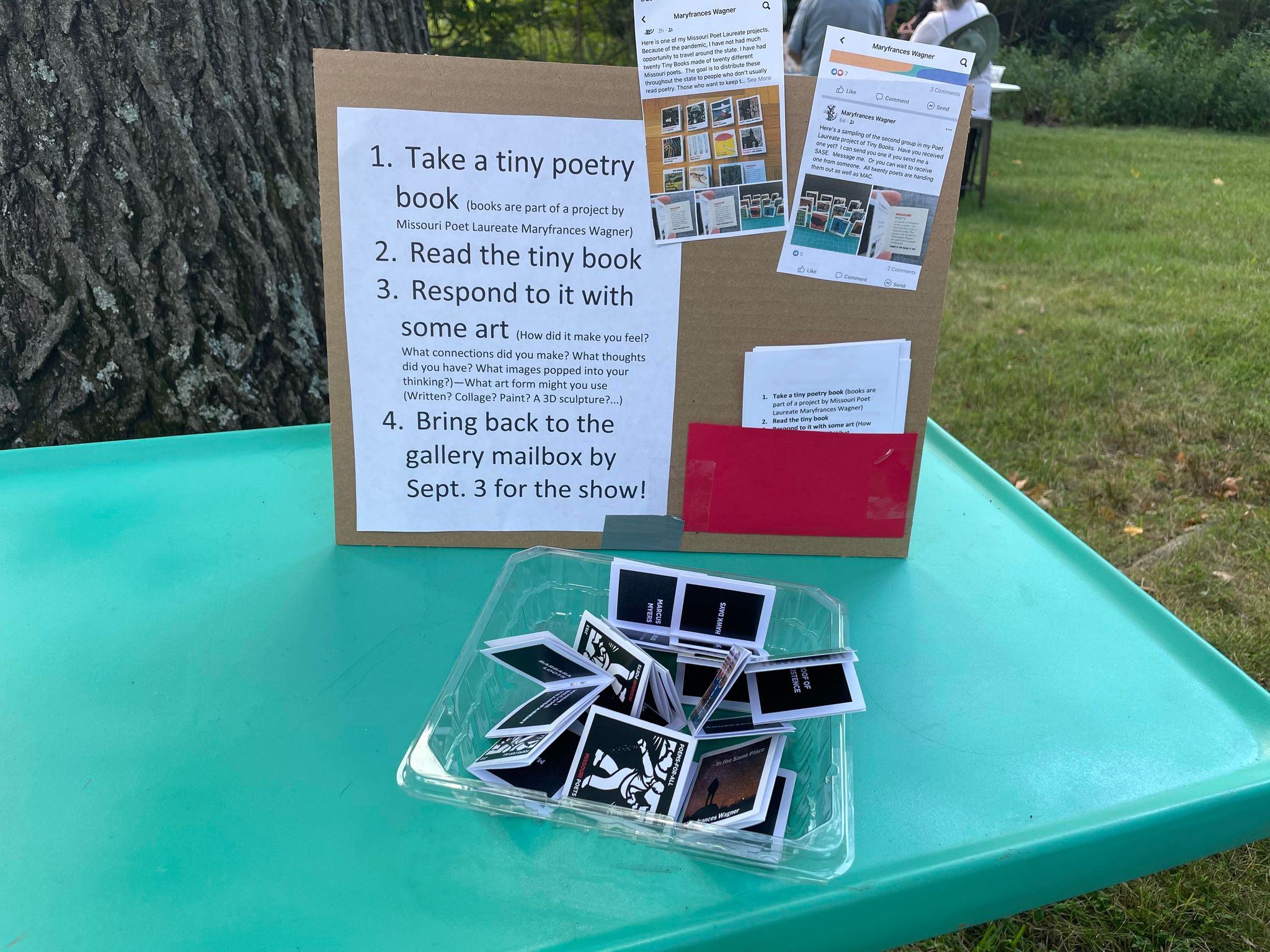
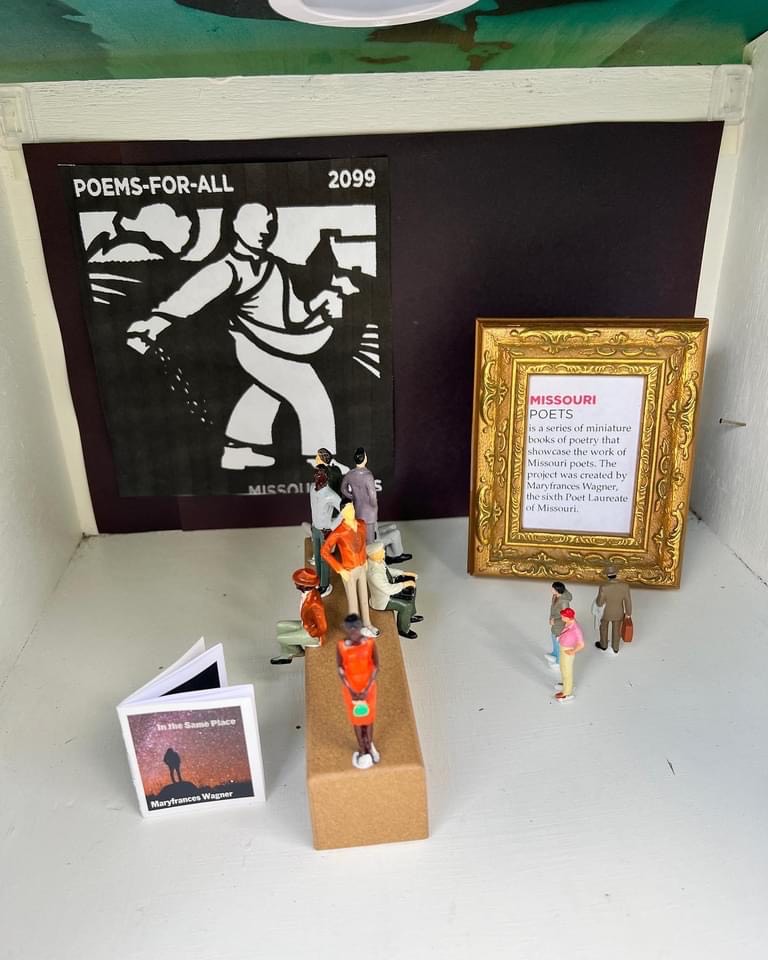
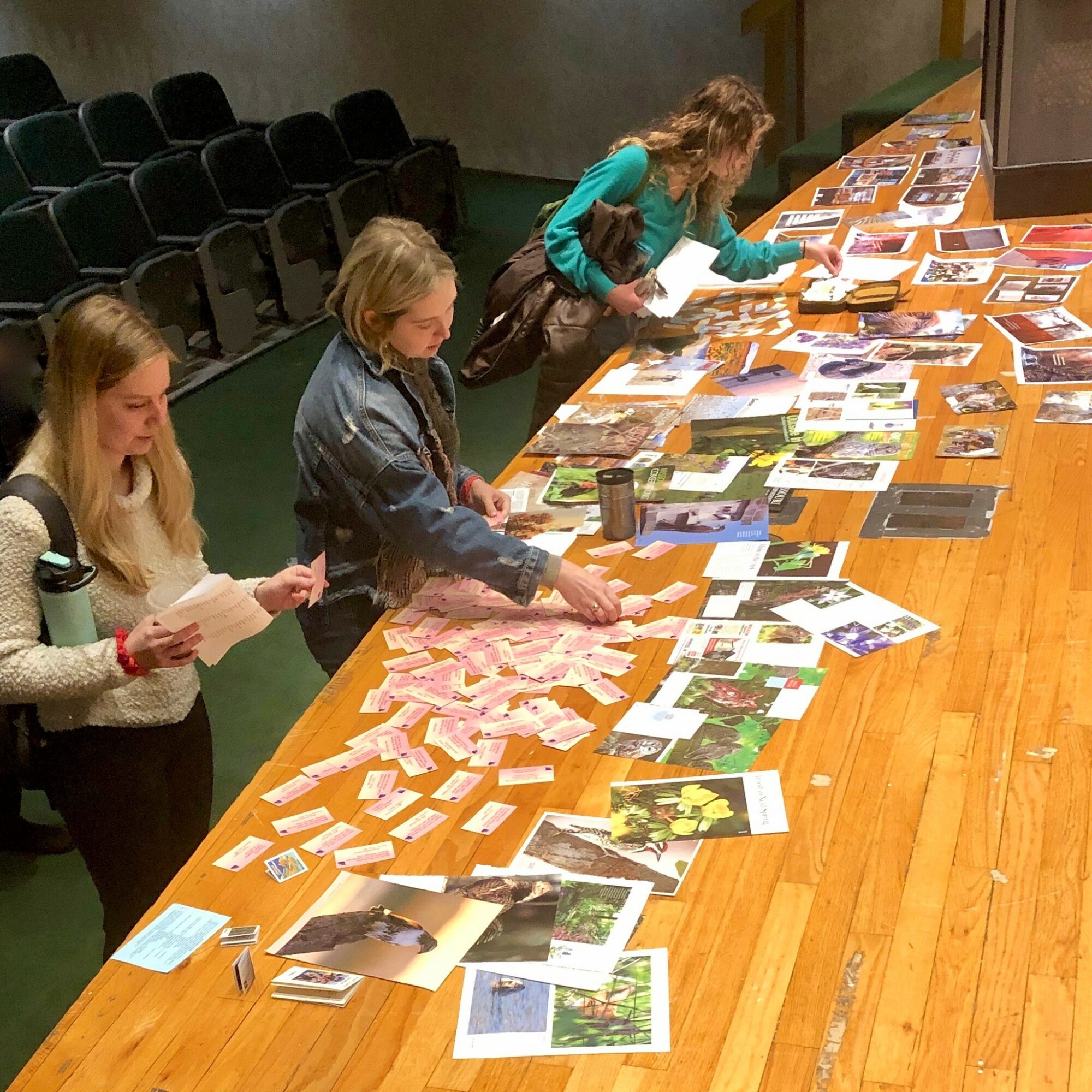
As Missouri Poet Laureate, I read poetry, published a new book, wrote a Missouri poem I delivered at the Capitol, conducted workshops, and delivered keynotes and talks all around the state. Since we were still at the end of the pandemic, I decided to reach people in other ways, so I created some projects. I produced ten podcasts of interviews with Missouri poets on the craft of writing for teachers and those interested in learning more about poetry. I also published two anthologies with Spartan Press and ten Missouri poets featured in each anthology. I had two thousand Tiny Books made–a small booklet that folded out. Each Tiny Book featured one poem by yet another twenty Missouri poets. I distributed a packet of those to each of the poets, and they handed them out around the state. I felt fortunate that I knew so many poets in Missouri who essentially lived in all parts of the state, and I also met many new poets I didn’t know before. My final project was the Haiku Project where I taught haiku workshops throughout the state. Others helped teach them as well. I taught them at festivals, conferences, in schools, in community centers, at The Writers Place, and a teacher in Columbia had students at each grade level write haiku for me as well. We posted daily haiku on Facebook and Instagram, and hundreds of people sent me haiku that I ultimately had professionally printed on cards. A few people wrote at least one a day with me and posted them on Facebook. Some put them on photographs or art they had created. I printed 10,000 haiku cards from those I received from people in every area of the state, every age –from six years old to ninety-five, and they represented a wide diversity. They are still circulating around the state. I always leave either a Tiny Book or a Haiku card for every wait person when I eat out. I hand them out randomly to people who might find them interesting when I walk or standing in line. I’ve given cards to other poets that they hand out as well. My goal during those two years was to get poetry into the hands of people who didn’t think they liked it or didn’t know much about poetry. I had people read them, write them, and share them. If there was a waiting time in a long line or a doctor’s office, I asked people to write them and guided them through the process. When the power went out in my neighborhood, my neighbors called to ask if we were also in the dark, and I told them it was a good time to write a few haiku. I gave them the directions, and a couple of hours later, they send me haiku poems. I also had one hundred of the haiku framed and put up in the Story Center at Woodneath Library. I filled two display cases with books by Missouri poets, haiku cards, pictures from workshops, art and objects that people had put their haiku on, and I set up a table with a bowl for people to write haiku when they came to the library. I also taught two workshops there. Students chalked them on sidewalks and hung them in trees, and planted haiku sticks in parks. In Columbia, there was a haiku high tea at the local library, a tiny gallery of art that people wrote haiku about, and an artist there had a tiny gallery in her front yard and had people driving or walking by stop and write haiku poems to the art inside. At the end, we had a final haiku reading for anyone who had written haiku and wanted to read. I loved my experience and was often filled with zeal and many poignant moments.
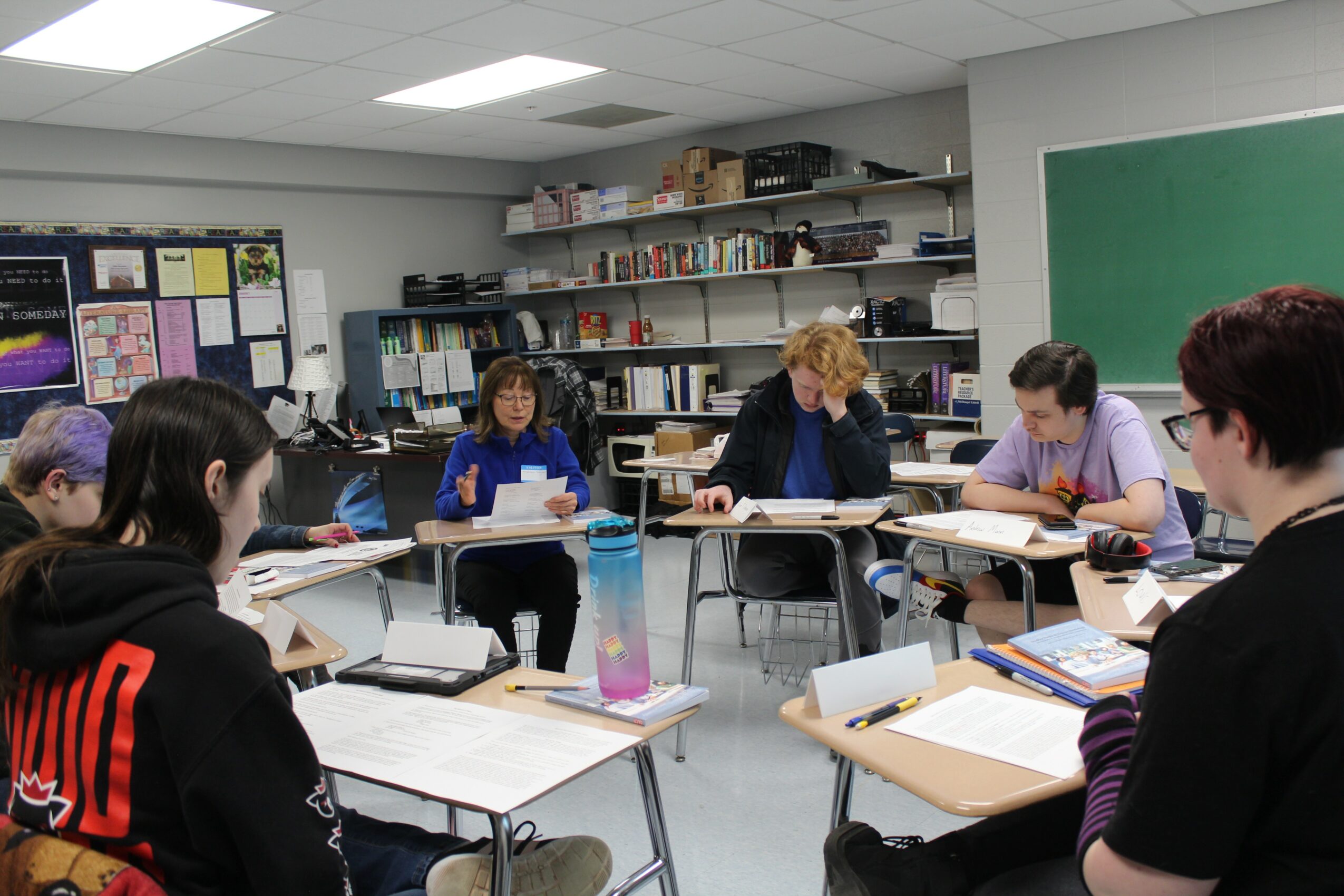
I’ve been a poet since my twenties, so it’s hard to sum up a lifetime of experiences I’ve had as a writer and teacher. When I taught, I taught creative and academic writing, so I’ve been teaching people how to write for my entire life and still continue to teach workshops even though I am not teaching semester classes anymore. I tell people that I can teach anyone how to write if they want to learn. As a creative writing teacher, I championed the work of my students and sent their poems out for publication to various places, and many of them had a dozen or more poems published by the time they graduated. They won state and national contests, and I took them to readings and workshops. I promoted them in any way I could.
We’d love to hear about any fond memories you have from when you were growing up?
Well, I wouldn’t call it “favorite” but most memorable. I’m probably the only person who was hit by a car twice while walking, in second and fifth grade. In second grade, I was crossing Linwood Boulevard, a four-lane street. Three cars stopped for me, but the driver in the last lane didn’t see me. In fifth grade, I was crossing on a green light, and the driver, new to driving, put on the gas instead of the brake. I missed a good deal of second and fifth grades. My parents decided to move to the suburbs on a cul-de-sac.
Contact Info:
- Website: http://maryfranceswagnerwriter.fieldinfoserv.com
- Facebook: https://www.facebook.com/maryfrancesw1