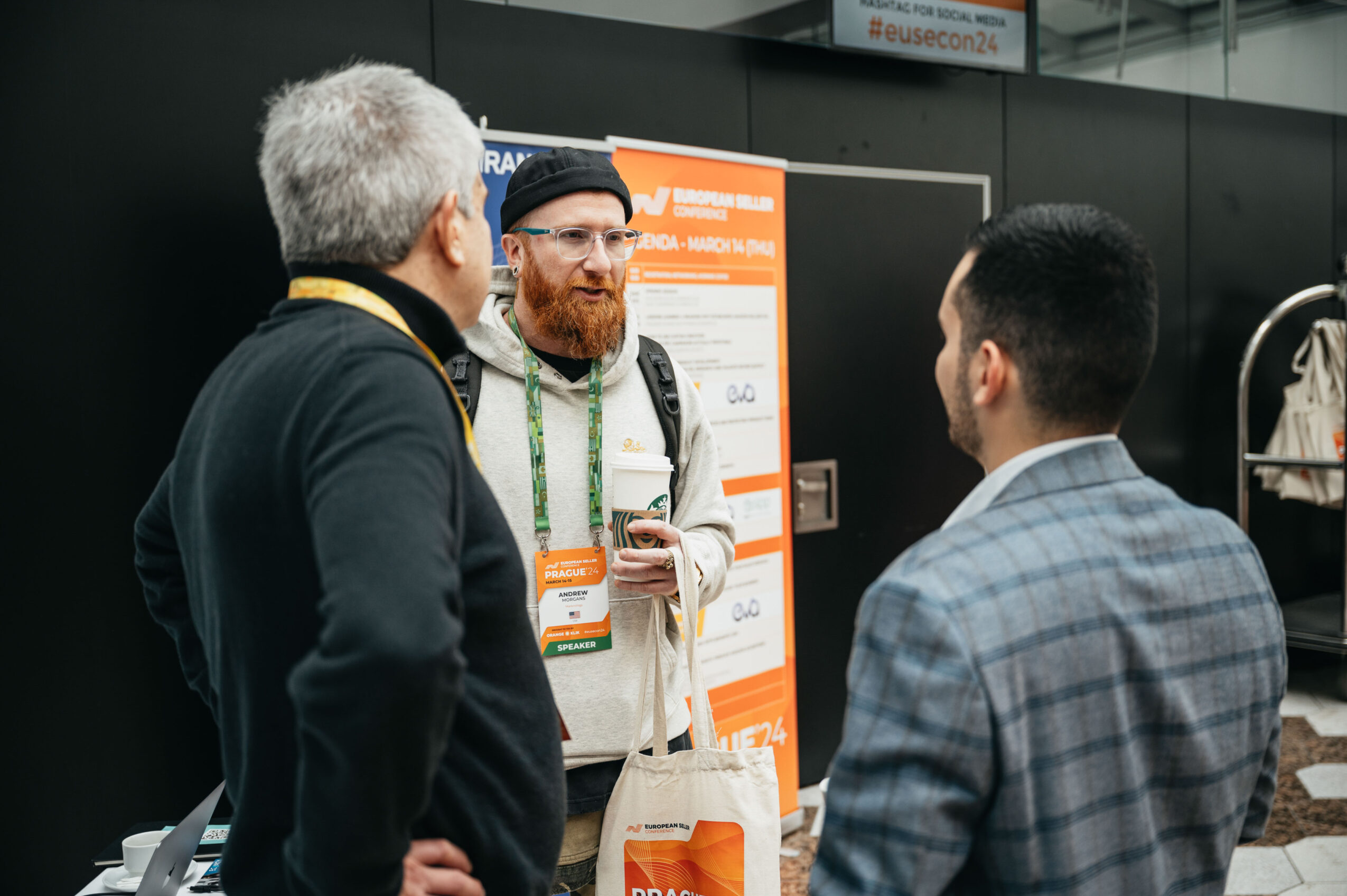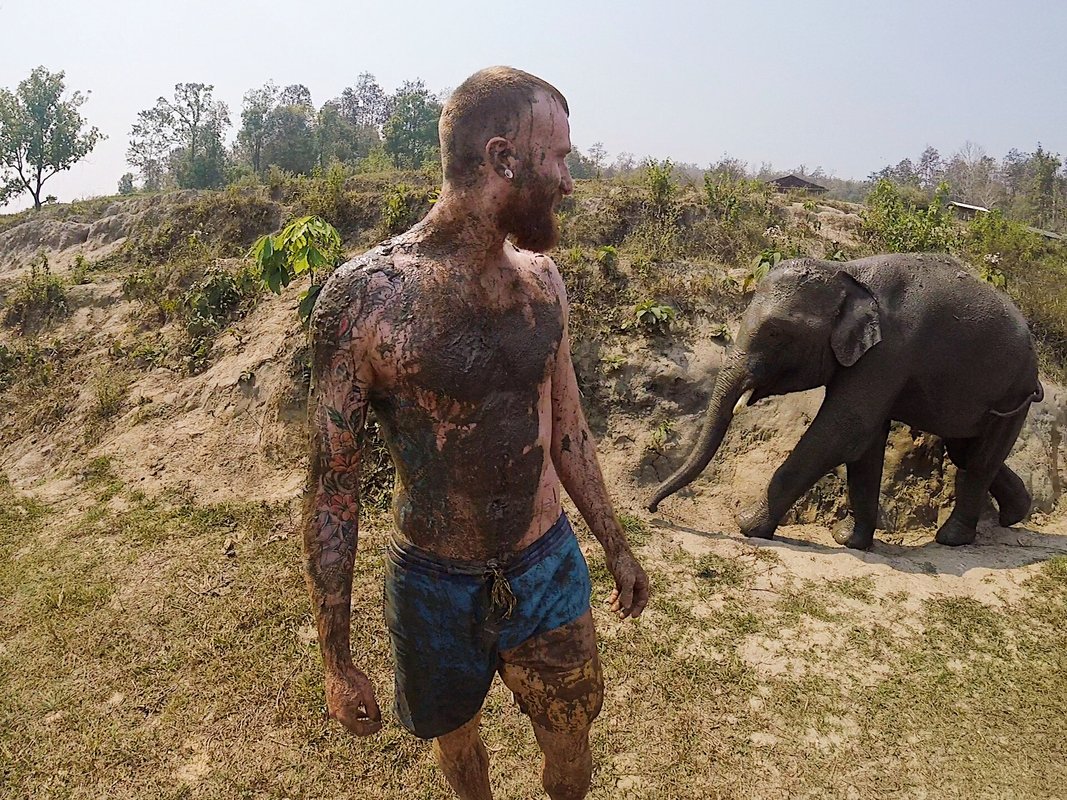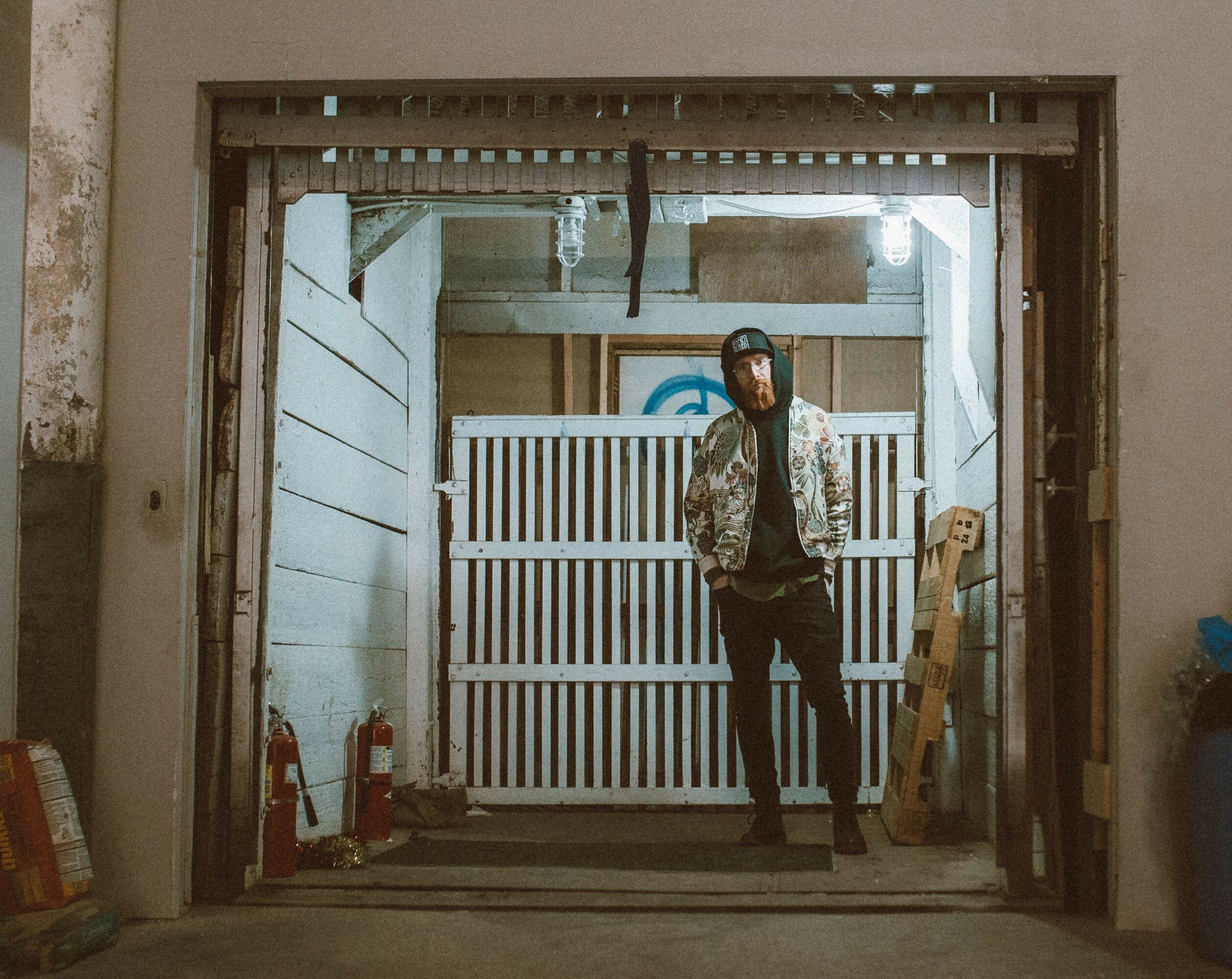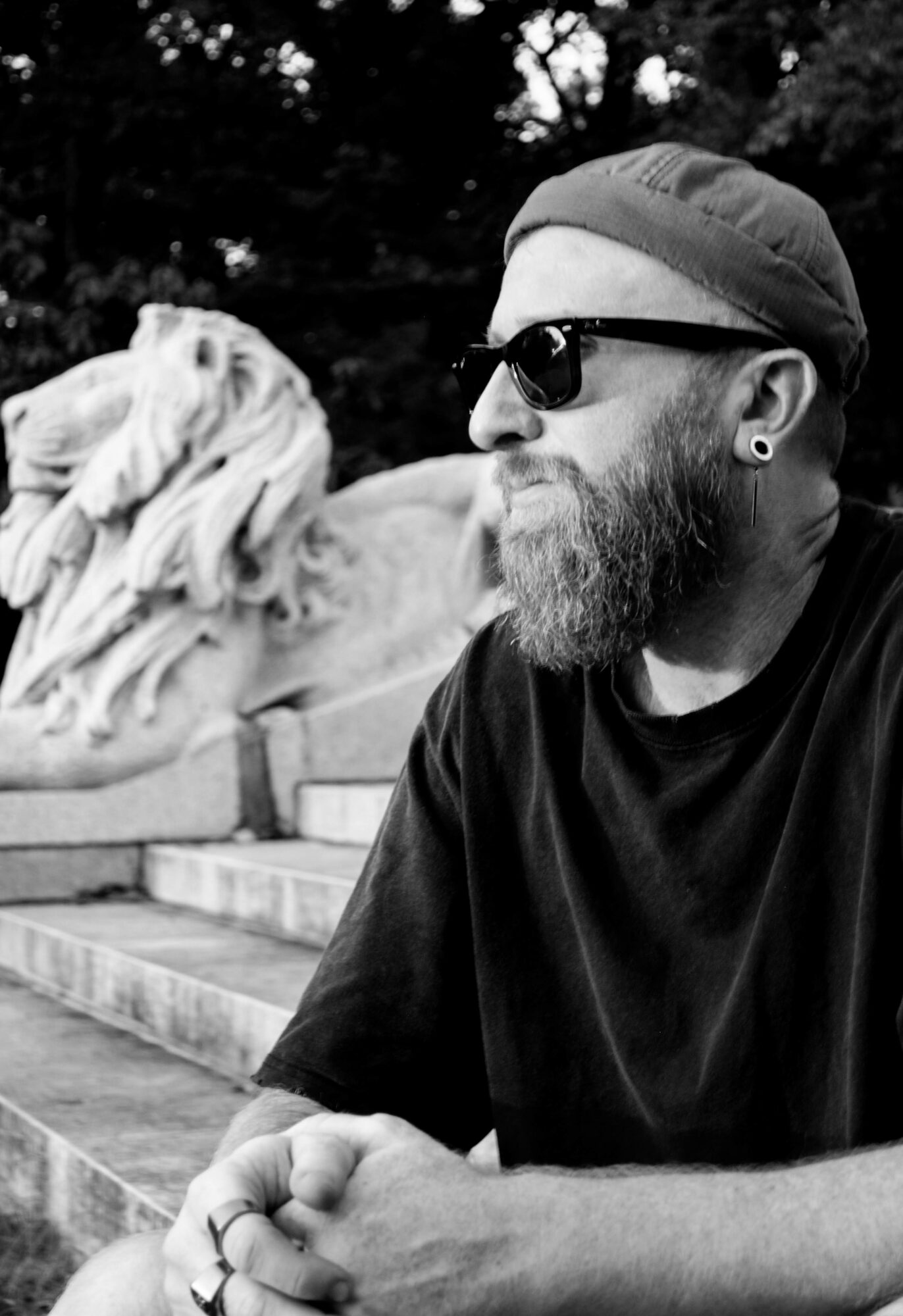





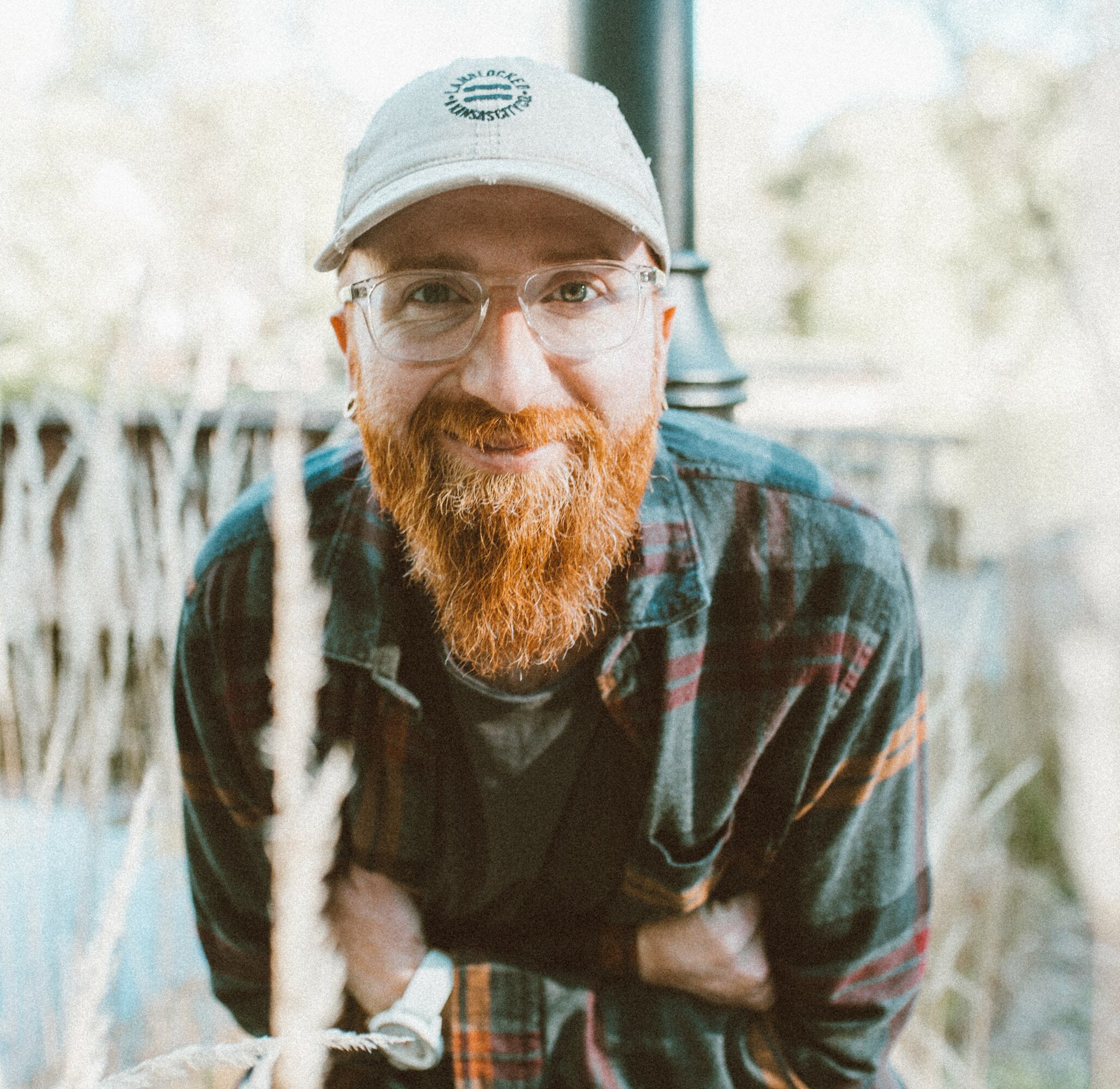
Today we’d like to introduce you to Andrew Morgans.
Alright, so thank you so much for sharing your story and insight with our readers. To kick things off, can you tell us a bit about how you got started?
Born in Montreal and raised across the globe—Cameroon, Botswana, Russia, the Democratic Republic of Congo—my childhood was anything but conventional. By three years old, I was living in bush Africa. By fourteen, I was exchanging US dollars on the black market in Kinshasa with my dad while he did mission work. Growing up in those environments taught me how to make something out of nothing, how to treat people with respect regardless of their income level, and that no one owes me anything. It’s up to me to go get it.
I came back to Kansas City as a teenager with zero high school credits and had to fight my way through the system. Eventually got a degree in Computer Science from Park University—paid my own way—did a stint at Mastercard, and toured the country in a band for four years. That band was essentially my first business, even though I didn’t know what entrepreneurship meant at the time.
I landed in e-commerce almost by accident and fell in love immediately. It sits right at the intersection of marketing and technology, and the fact that I could make a small change and see a sale within fifteen minutes hooked me. I was working as an e-commerce manager at a toy catalog company, crushing it by any measure. Made them millions. My reward? A twenty-cent raise. They wouldn’t let me work from home, wouldn’t listen to my ideas about Amazon, and gave me two weeks of vacation a year to see my family.
I was also going through a divorce at 25, so I channeled everything into work and started freelancing on the side—nights, weekends—helping brands figure out Amazon. Within a few months, I became a top 10 freelancer in the world in my category on Upwork.
I applied for other jobs. One offered almost double my salary with all the prestige my family would have been proud of. But I walked into the interview and it was stuffy. Suits. Corporate. I remember thinking: I want to be such a baller that I can wear whatever I want, have tattoos, and be judged purely on results. That’s when I decided to bet on myself.
I started Marknology in 2014 with no investors, no network, no mentors, and no roadmap—the Amazon industry barely existed. Since then, we’ve worked with over 300 brands, managed over $5 billion in Amazon sales, and built one of the most powerful Amazon teams in the world. All bootstrapped. All from Kansas City.
Along the way, I went back to school—earned a Master’s in Entrepreneurship from Babson College and a Master’s Certificate in Design Thinking from Missouri State. I’ve also become an investor in seven consumer brands because I wanted skin in the game beyond just consulting. We launched our own 3PL fulfillment operation to give our clients end-to-end support from content to warehouse.
But here’s what I’m most proud of: three of my sisters work at Marknology. We defied every warning about mixing family and business. My mom used to come home from her job in tears—I was able to retire her. I bought both my parents houses. The team we’ve built is full of people who wanted more out of life than jobs they hated.
Everything we’ve accomplished, we did together.
We all face challenges, but looking back would you describe it as a relatively smooth road?
Smooth road? Not even close.
My childhood in Africa was full of adventure, but it was also full of trauma. In the Democratic Republic of Congo, my dad and I were kidnapped at gunpoint by corrupt police, robbed of everything, and dumped outside Kinshasa, a city of 12 million people, with no money, no phone, nothing but our passports. We had to walk and find someone willing to trust us enough to drive us home. I’d never seen my dad afraid before that day.
We lived through a coup d’état. We went without electricity for a week or more at a time. I helped nurse my family through malaria outbreaks. No doctors, no hospitals, just us figuring it out. When you grow up like that, you learn that chaos is normal. You learn to adapt. You learn that most problems aren’t actually that bad when you put them in perspective.
Coming back to the US as a teenager was its own challenge. I started my junior year of high school with zero credits because my homeschooling and Christian schooling overseas didn’t transfer. I was a redheaded kid with an African soul who didn’t understand American social norms. I got picked on. I fought often. I didn’t know how to talk to girls. The system made me feel dumb because I didn’t know how to pass their tests.
Fast forward to my mid-twenties. I was working as an e-commerce manager, finally finding some success, when my marriage fell apart. Divorce at 25. I was heartbroken, embarrassed, in debt from moving back and forth across the country, and completely lost. The only thing I had going for me was my job, so I threw myself into work and started freelancing on the side just to dig out of the hole.
When I started Marknology, I had no investors, no network, no mentors, and no roadmap. The Amazon industry didn’t really exist yet. I didn’t even know what the word “entrepreneur” meant. I just knew I wanted freedom and I was willing to bet on myself to get it. Early clients were paying $500 a month. I was learning everything as I went, making mistakes constantly, and hoping I could figure it out before the money ran out.
But honestly? The hardest part wasn’t starting. It was scaling.
When you’re a freelancer, you can outwork your problems. When you’re building a team, communication becomes everything. I had to learn how to lead, how to delegate, how to have hard conversations, how to build systems instead of just grinding through tasks. Those skills didn’t come naturally to me. I had to develop them intentionally, and it took years. I’m still working on it.
Then came the pandemic. Overnight, remote work became the new normal. We had to figure out how to maintain culture and communication with a distributed team across multiple time zones. Some of our clients saw their businesses explode. Others were fighting to survive. We had to be nimble enough to help both.
Since then, it’s been one thing after another. Inflation squeezing margins. Supply chain chaos. Political uncertainties affecting global trade. Constant platform changes from Amazon. The complexity of helping brands sell across eleven different countries and seven languages. E-commerce doesn’t slow down, and neither can we.
Every stage of growth has brought new challenges. But I’ve learned that the obstacle is usually the way. The chaos I grew up in turned me into a good entrepreneur. I just didn’t realize it at the time. What was normal for me wasn’t normal for everyone else. And that’s become my edge.
Appreciate you sharing that. What should we know about Marknology?
The company is Marknology. We’re an Amazon marketing agency and brand accelerator based in Kansas City.
We help brands launch, scale, and dominate on Amazon and other marketplaces. Since 2014, we’ve worked with over 300 brands, managed more than $5 billion in Amazon sales, and helped brands sell in 11 countries across 7 languages. We’ve worked with everyone from mom and pop startups to Fortune 50 companies, Shark Tank winners, and some of the biggest food and consumer brands in the world.
What we’re known for is our Four Pillar approach. Strategy, Content, Advertising, and Catalog Operations. Most agencies specialize in one piece. Maybe they’re good at PPC, or maybe they do creative. We built Marknology to solve all of it because that’s what brands actually need. When I was an e-commerce manager, I saw firsthand how many moving parts it takes to win on Amazon. No one was offering a complete solution, so I built one.
Content is probably where we’ve made our biggest mark. We were optimizing listings with lifestyle images and keyword strategy before anyone was talking about SEO on Amazon. We understood early that you often get one shot with a customer on a product page, and everything needs to work together. Your images, your copy, your reviews, your advertising. It all has to tell the same story.
What sets us apart is that we have real skin in the game. We’re not just consultants. We own eight of our own DTC brands and I’ve personally invested in seven more consumer companies. We run a 3PL fulfillment operation so we can support clients from content creation all the way to the warehouse. When we give advice, it’s because we’ve tested it with our own money first.
We’ve also been in the game longer than almost anyone. The Amazon agency space didn’t exist when I started freelancing in 2013. There was no playbook, no conference circuit, no courses to take. We figured it out in real time, made every mistake possible, and came out the other side with systems that actually work. That experience matters when platforms change overnight and brands need a team that’s seen it all before.
We’re proudly bootstrapped. No outside investors, no venture capital, no debt. Everything we’ve built came from reinvesting in the business and betting on ourselves. We’re also a family business in the truest sense. Three of my sisters work at Marknology. We defied every warning about mixing family and work, and honestly it’s one of the things I’m most proud of.
The team is everything. Every person at Marknology wanted more out of life than a job they hated. We built a company where people can grow, take ownership, and do meaningful work for brands that are trying to build something real.
If you’re a brand trying to figure out Amazon, Walmart, TikTok Shop, or any of these marketplaces, we’ve probably seen your exact situation before. We’re not here to sell you a package. We’re here to solve problems and build something that lasts.
What has been the most important lesson you’ve learned along your journey?
Nobody knows what they’re doing. You just have to take the step anyway.
That’s the most important lesson I’ve learned, and it took me years to actually believe it. When I started Marknology, I thought everyone else had it figured out. I thought there was some secret playbook that successful people had access to and I didn’t. I assumed that once I reached a certain level, the uncertainty would go away and I’d finally feel like I knew what I was doing.
That never happened. And I’ve realized it never will.
Every stage of growth brings a new set of problems I’ve never solved before. First it was getting clients. Then it was keeping clients. Then it was hiring. Then it was managing people. Then it was building systems. Then it was leading leaders. Then it was navigating a pandemic, inflation, supply chain chaos, and a constantly changing platform. The challenges just evolve. You never arrive at a place where you have all the answers.
What I’ve learned is that the people who win aren’t the ones who know the most. They’re the ones willing to take action before they feel ready. They’re the ones who can sit with uncertainty and move forward anyway. Confidence doesn’t come before the step. It comes after.
I think about my dad fixing our broken-down jeep in the middle of the African bush at night. He wasn’t a mechanic. He had no manual, no tools, no cell phone to call for help. He just had his family stranded in a dangerous place and a problem to solve. So he cut up the spare tire and made a makeshift belt to limp us to the next town. That’s entrepreneurship. You figure it out because you have to.
When I was deciding whether to leave my job and go all in on Marknology, I was terrified. I didn’t have a business plan. I didn’t have savings. I didn’t have a network. I just had a small freelance thing on the side and a gut feeling that I could make it work. I told someone I was going to do it, and once I said it out loud, I had too much pride to back down. That’s literally how it happened. Not because I was ready. Because I committed before I was ready.
I’ve hired people before I knew how to manage. I’ve taken on clients before I knew how to deliver. I’ve launched brands before I understood the market. Every single time, I learned by doing. And every single time, I was scared.
The fear never goes away. You just get better at walking through it.
If I could go back and tell my younger self one thing, it would be this: stop waiting to feel ready. Stop looking for permission. Stop assuming everyone else has it figured out. They don’t. They’re all just taking steps into the unknown and adjusting as they go.
That’s the game. And once you accept that, everything gets a little easier.
Contact Info:
- Website: https://marknology.com
- Instagram: @andrewmorgans
- Facebook: https://facebook.com/MarknologyKC
- LinkedIn: https://linkedin.com/in/amorgans
- Youtube: https://www.youtube.com/c/Marknology