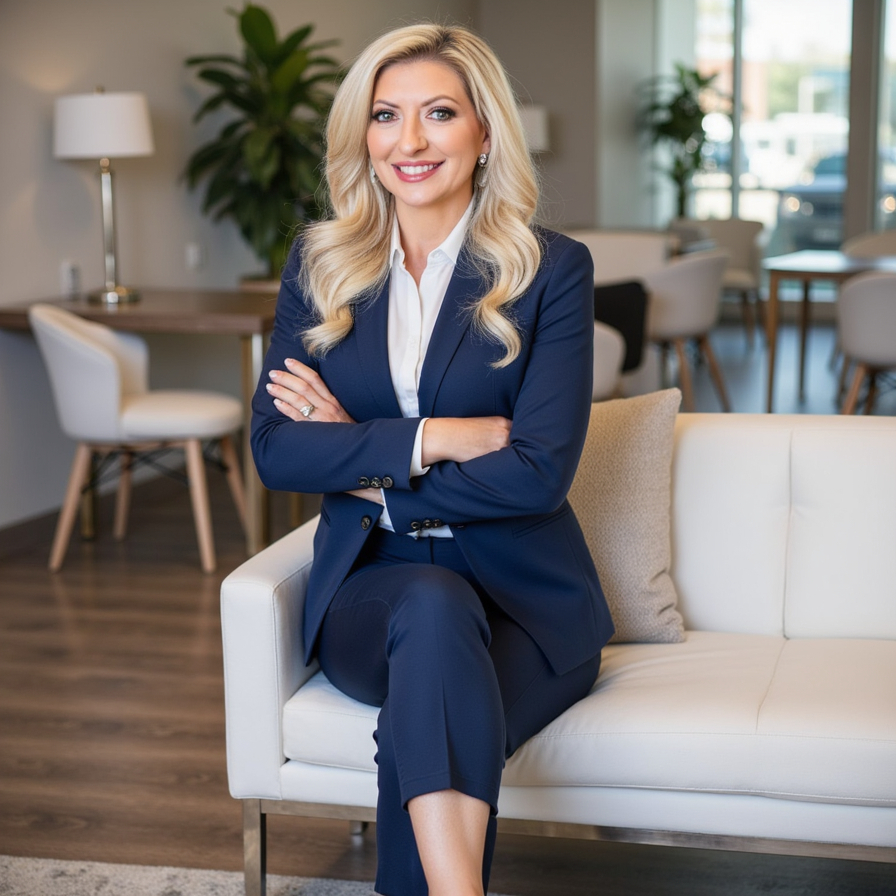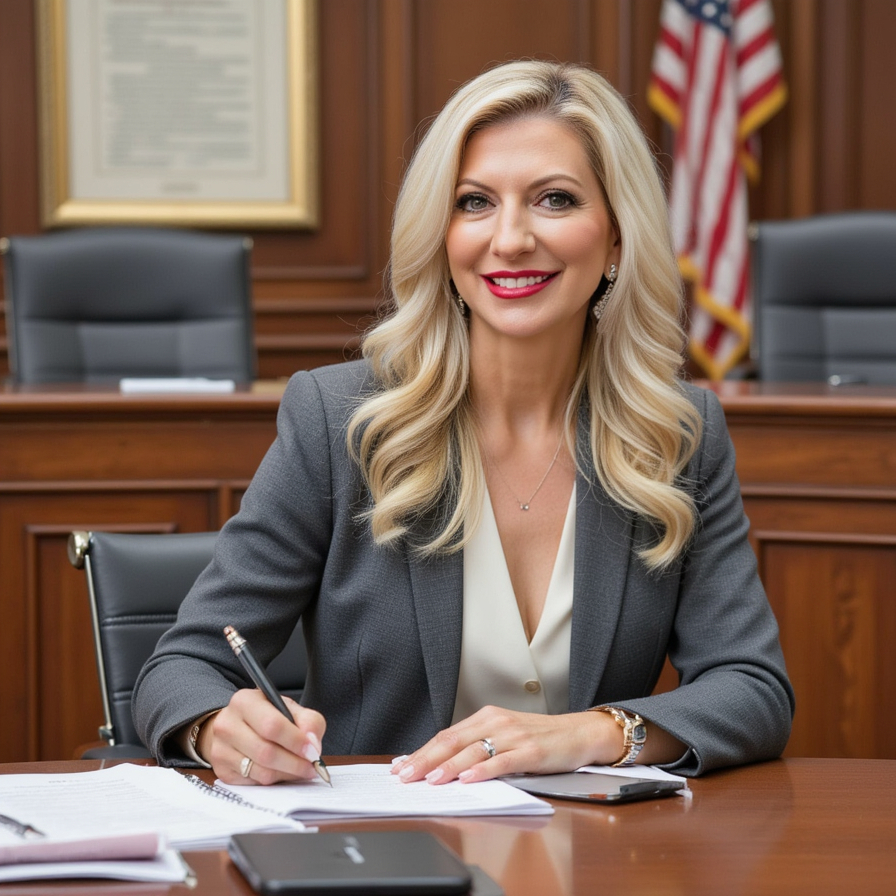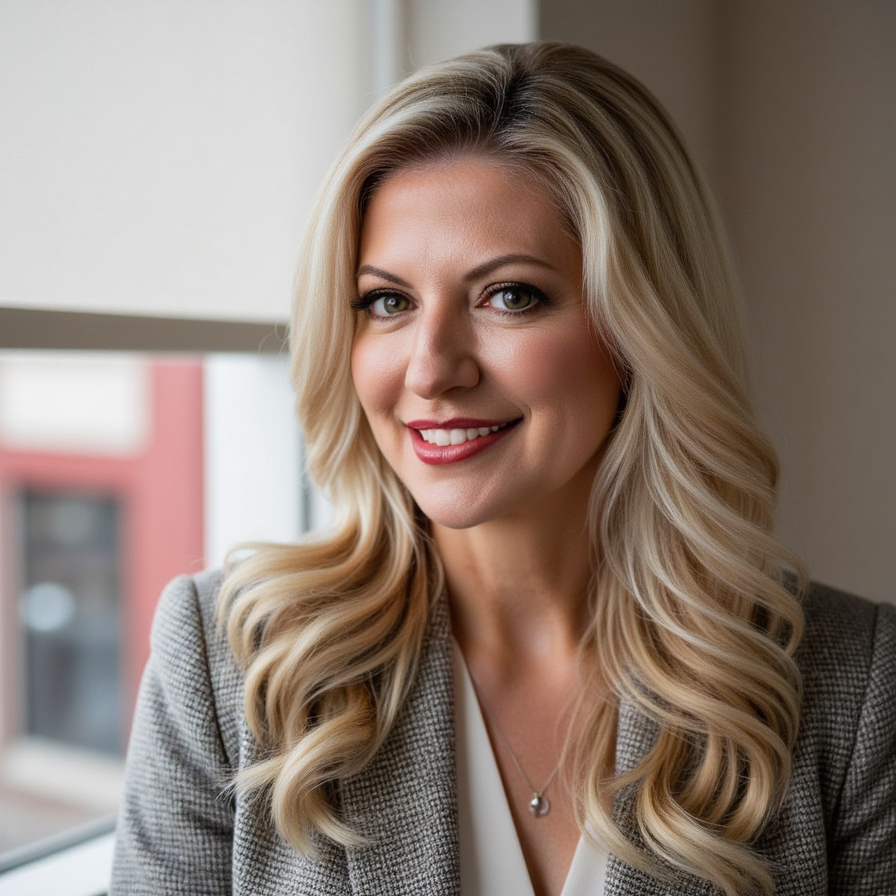







Today we’d like to introduce you to Jennifer Sweeton.
Hi Jennifer, so excited to have you with us today. What can you tell us about your story?
My professional story begins with neuroscience. I trained in affective neuroscience at Stanford, where I became deeply interested in how trauma reshapes the brain and nervous system. That scientific foundation led me to clinical psychology, because I wanted to translate what we know about the brain into meaningful, real-world healing for people impacted by trauma. I completed my doctoral training through Stanford School of Medicine and the Pacific Graduate School of Psychology, with additional specialized training at the National Center for PTSD.
Early in my career, I worked as a psychologist within the VA system, specializing in PTSD assessment and treatment. That work profoundly shaped my understanding of trauma—not just as a psychological experience, but as a biological injury with measurable effects on the brain and body. I went on to build and lead a trauma-focused private practice, where for more than a decade I worked almost exclusively with individuals affected by PTSD, traumatic brain injury, and complex trauma.
Over time, both my clinical work and my own lived experiences exposed me to a recurring and troubling pattern: people who had survived trauma were often encountering additional harm through systems that failed to recognize or protect them. I saw injustice show up repeatedly in my therapy clients’ lives—in employment, healthcare, family court, and personal injury contexts—where very real brain-based injuries were minimized, misunderstood, or dismissed. It became clear to me that if I truly wanted to help people recover from trauma, I couldn’t work only on the healing side of the equation; I also needed to understand and engage with the systems that were shaping their outcomes. That realization was what led me to law school.
While studying at UMKC, I recognized a particularly stark gap in personal injury and civil litigation involving traumatic brain injury and PTSD. Despite strong scientific evidence, these injuries were often characterized as “just emotional,” leaving survivors without meaningful accountability or support. Law school wasn’t a departure from my work—it was a necessary extension of it.
Today, as the founder of Sweeton Injury Law, my work sits at the intersection of neuroscience, psychology, and law. I represent clients with invisible injuries using a trauma-informed, brain-based approach to advocacy, bringing scientific rigor to legal cases where human suffering is too often overlooked. Across everything I do, the through-line is impact: helping people be seen accurately, treated fairly, and supported in both their healing and their pursuit of justice.
Alright, so let’s dig a little deeper into the story – has it been an easy path overall and if not, what were the challenges you’ve had to overcome?
Not at all! It hasn’t been a smooth road, and I don’t think meaningful work ever is. One of the biggest challenges has been operating at the intersection of multiple disciplines that don’t always speak the same language. Neuroscience, psychology, and law each have their own cultures, assumptions, and gatekeepers, and early on I often found myself having to explain, or even defend, why an integrated approach was not only valid, but necessary.
Another challenge was that trauma itself is still widely misunderstood. I’ve encountered skepticism when describing PTSD and brain injury as real, measurable injuries, especially in legal and institutional settings where emotional harm is too easily minimized. Pushing against that narrative requires persistence, credibility, and a willingness to be uncomfortable, particularly as a woman asserting expertise in spaces that weren’t designed to accommodate interdisciplinary perspectives.
There were also very practical struggles: the time, financial cost, and personal sacrifice of pursuing advanced training across multiple fields, while continuing to serve clients who depended on me. Balancing clinical work, scholarship, and law school demanded constant recalibration and a high tolerance for uncertainty.
That said, those challenges clarified my purpose rather than derailed it. Each obstacle reinforced why this work matters and why bridging science, healing, and justice is worth the effort. The road hasn’t been smooth, but it’s been deeply intentional, and every challenge has shaped the clarity and conviction I bring to my work today.
As you know, we’re big fans of Sweeton Injury Law. For our readers who might not be as familiar what can you tell them about the brand?
Sweeton Injury Law is a personal injury firm dedicated to representing people who have experienced serious, life-altering harm, both visible and invisible. We handle cases involving severe physical injuries such as catastrophic orthopedic injuries, complex medical trauma, and permanent disability, as well as traumatic brain injury and PTSD. What unifies our work is a focus on injuries that fundamentally alter how a person functions, lives, and experiences the world.
What sets Sweeton Injury Law apart is our integration of neuroscience, psychology, and law into personal injury advocacy. Many firms are comfortable proving broken bones or surgical injuries, but struggle to fully capture the cognitive, emotional, and neurological consequences that often accompany serious physical trauma. Because of my background as a forensic psychologist, we are uniquely equipped to present the whole injury, including how physical harm, brain injury, pain, and psychological trauma intersect and compound one another over time.
Our practice focuses on cases involving significant trauma arising from accidents, negligence, and systemic failures, whether that harm is immediately visible, like catastrophic physical injury, or less obvious, like brain injury or PTSD. We do not treat psychological or neurological injuries as secondary or “soft” damages. Instead, we ground every case in objective medical evidence, neuroscience, and a deep understanding of how trauma affects daily functioning, work capacity, relationships, and long-term quality of life.
I also maintain a forensic psychology practice, which remains ethically distinct from my legal work but strongly informs it. Having spent more than a decade conducting psychological assessments, testifying as an expert, and treating individuals with complex injuries, I approach cases differently from the outset. We identify injuries earlier, anticipate how they may be misunderstood or minimized, and build cases that are scientifically rigorous and legally sound.
Brand-wise, what I’m most proud of is that Sweeton Injury Law stands for accuracy, integrity, and respect for the client’s lived experience. Our brand reflects the belief that serious injuries, whether physical, neurological, or psychological, all deserve to be fully understood and fairly valued. We don’t exaggerate harm, but we refuse to allow it to be oversimplified.
What I want readers to know is that Sweeton Injury Law exists to bridge the gap between modern medical science and the way injury cases are often litigated. We advocate for people whose injuries have changed their lives, bringing clarity, credibility, and compassion to cases where the full impact of trauma deserves to be seen and addressed.
What do you like best about our city? What do you like least?
What I like best about Kansas City is its sense of substance and humanity. It’s a city where people still value relationships, community, and showing up for one another. Professionally, Kansas City has a strong work ethic and a collaborative spirit! You can build meaningful partnerships here, whether in law, business, etc., without the constant posturing you see in larger markets. There’s also a growing sophistication in the city: world-class healthcare institutions, an increasingly vibrant arts and food scene, and a real openness to innovation while still retaining a grounded, Midwestern authenticity.
What I like least is that Kansas City sometimes underestimates itself. There’s a tendency toward modesty that can slide into playing small, especially when it comes to investing in infrastructure, addressing systemic inequities, or fully embracing the talent and expertise that already exists here. The city has enormous potential, but realizing it requires confronting long-standing issues like access, disparities between neighborhoods, and resistance to change.
That said, I see Kansas City as a place on the rise. When it leans into its strengths while honestly addressing its challenges, it has the capacity to be a national leader in innovation, healthcare, and justice.
Contact Info:
- Website: https://sweetoninjurylaw.com
- Facebook: https://www.facebook.com/drjsweeton
- LinkedIn: https://www.linkedin.com/in/dr-jennifer-sweeton-5002314/
- Yelp: https://www.yelp.com/biz/sweeton-injury-law-kansas-city
- Other: https://jennifersweeton.com