






Today we’d like to introduce you to Max Muller.
Hi Max, it’s an honor to have you on the platform. Thanks for taking the time to share your story with us – to start maybe you can share some of your backstory with our readers?
I grew up in the Kansas City metro. I have an awesome family and had a fairly normal childhood. My high school years were great for the most part, but that’s also when I started experimenting with alcohol and other substances. I didn’t realize it at the time, but drinking and using did something for me that it doesn’t do for everyone. It solved a problem I didn’t know I had. Suddenly, I felt more confident and more comfortable with who I was. For the first time, I felt at ease in my own skin.
At first, it was just fun — parties, weekends, nothing that felt alarming. There weren’t serious consequences early on. I embarrassed myself and the people I cared about at times, but nothing that made me stop. Over time, though, things progressed. The partying picked up quickly and never really slowed down. I stopped going to class, wasted semesters, and spent more and more of my nights drinking and using. As I chased the same relief and escape I had found early on, I began using harder and harder drugs.
As my substance use escalated, so did the consequences. There were car wrecks, lost jobs, and damaged relationships. I found myself in unfamiliar places, in and out of treatment centers, losing friends and trust along the way. Eventually, I was on the verge of losing my family altogether and facing homelessness or prison.
By the time I was 29 years old, I had finally had enough. I stopped fighting for my right to keep drinking and using, and I asked for help — genuinely this time. I knew recovery worked because I had seen it change so many lives during my time in treatment and in AA. For the first time, I was willing to go to any lengths.
From that point on, everything began to change. I returned to treatment in St. Louis and lived there for about a year and a half. I later moved to Atlanta to pursue formal training and begin a career in recovery. During that time, my entire understanding of life shifted. I came to see that drugs and alcohol were never my real problem — they were my attempted solution to a deeper, internal discomfort I had lived with for as long as I could remember. They brought temporary relief, but ultimately caused far more pain.
Recovery and the 12 Steps gave me something I had never experienced before: fulfillment and direction. The best way I can describe it is a spiritual awakening — a profound internal shift that changed how I saw myself, others, and the world. I fell in love with this way of life and knew early on that this was what I wanted to dedicate my life to.
Today, I have over eight years of continuous sobriety and have spent more than six of those years working with young people and their families in recovery. What drives me now is helping young people and their families find hope sooner than I did. Being able to walk alongside others as they rebuild their lives isn’t just meaningful to me — it’s my purpose, and one I’m incredibly grateful for.
We all face challenges, but looking back would you describe it as a relatively smooth road?
It hasn’t been a smooth road — not even close. Early recovery was uncomfortable in ways I wasn’t prepared for. I had taken away the substances, but I still had to learn how to sit with my thoughts, my emotions, and the damage I had caused without numbing out. There was a lot of shame, fear, and uncertainty about who I was without the chaos I had lived in for so long.
One of the biggest challenges has been rebuilding relationships and trust, and learning that those things aren’t repaired with words or good intentions. They’re rebuilt with consistency and action, over time. I had to accept that some people needed space, some relationships would never fully look the same, and that my responsibility was to keep showing up anyway.
Working in recovery has brought its own challenges as well. Loving this work means caring deeply, and that can be heavy. Not every young person or family who comes into the program is ready and that’s ok. My job is to not take that on and to be there for them anyway.
Thanks – so what else should our readers know about your work and what you’re currently focused on?
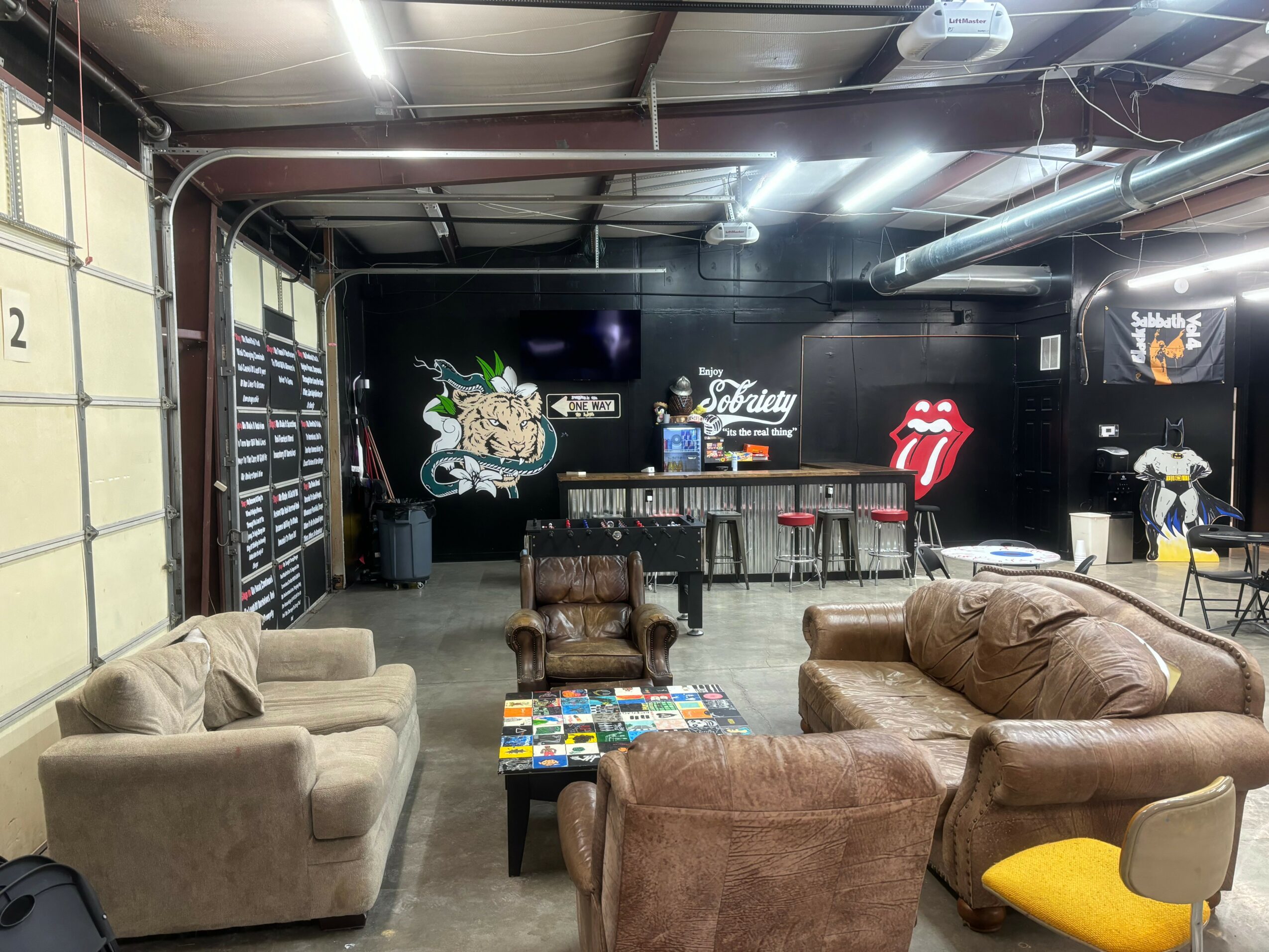
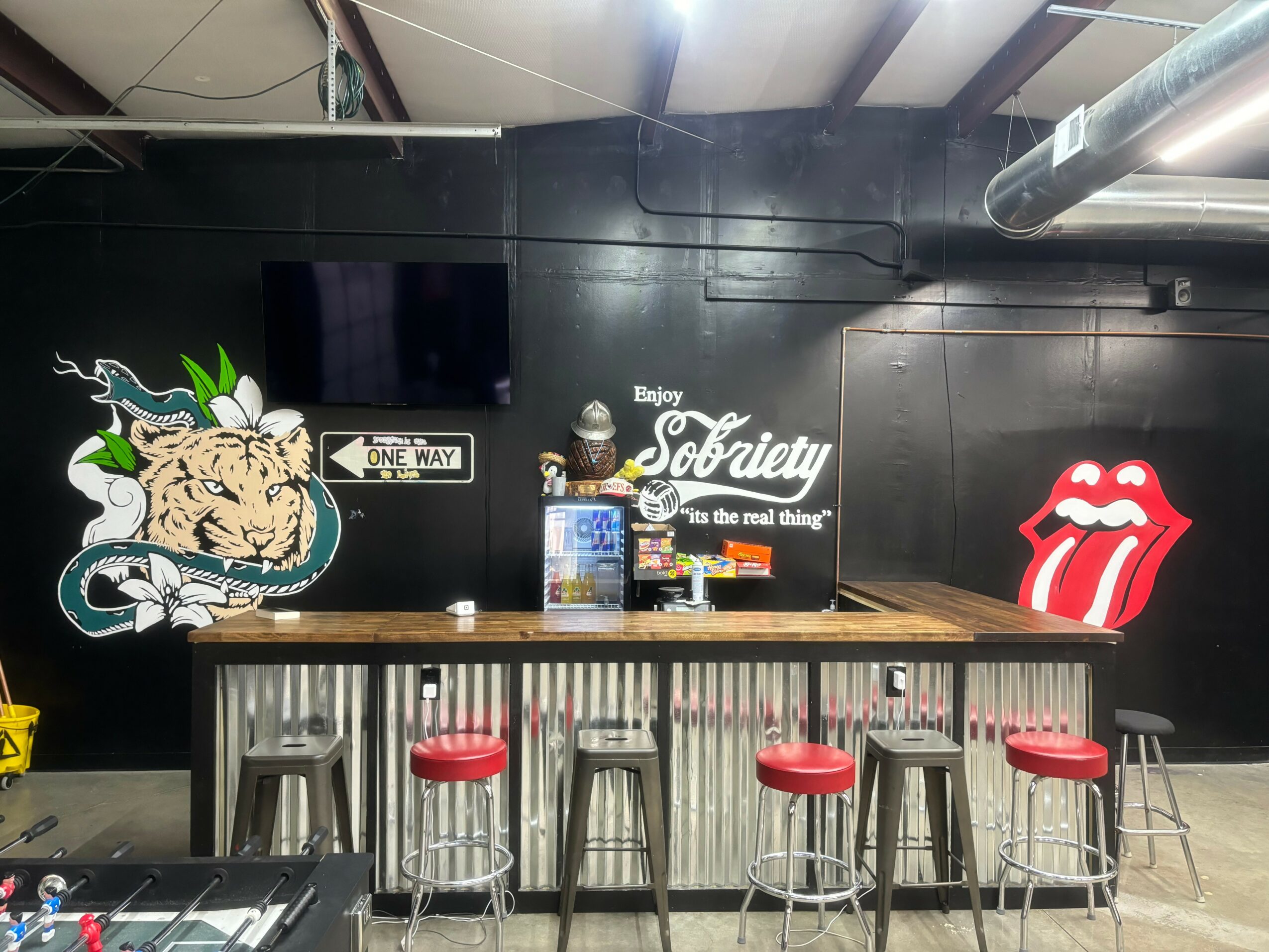
I work in the recovery field, primarily with young people and their families. I serve as the Director of the Kansas City chapter of FullCircle, a peer-led recovery community that gives young people a place to get sober, stay sober, and build better lives for themselves. FullCircle exists to show young people something better than drinking or using.
My role isn’t about fixing people or having all the answers. It’s about showing up, creating consistency, and helping young people take the next right action when everything feels overwhelming. A lot of what we do looks simple from the outside — spending time together, building sober friendships, having fun, working the steps — but over time, those things change lives.
What I’m most proud of is being part of something that provides hope. I get to take the worst parts of my past and use them for something good.
Is there a quality that you most attribute to your success?
Perseverance and love. Perseverance to keep going when it would be easier to quit — both in my own recovery and in my work as a director tasked with growing a program to help as many young people and families as possible. Love is just as vital. I have to love what I do, but more importantly, I have to love the people I work with and the young people and families we serve. Without both perseverance and love, I don’t think this work — or my recovery — would be sustainable.
Pricing:
- Free
Contact Info:
- Website: https://FullCircleProgram.com