




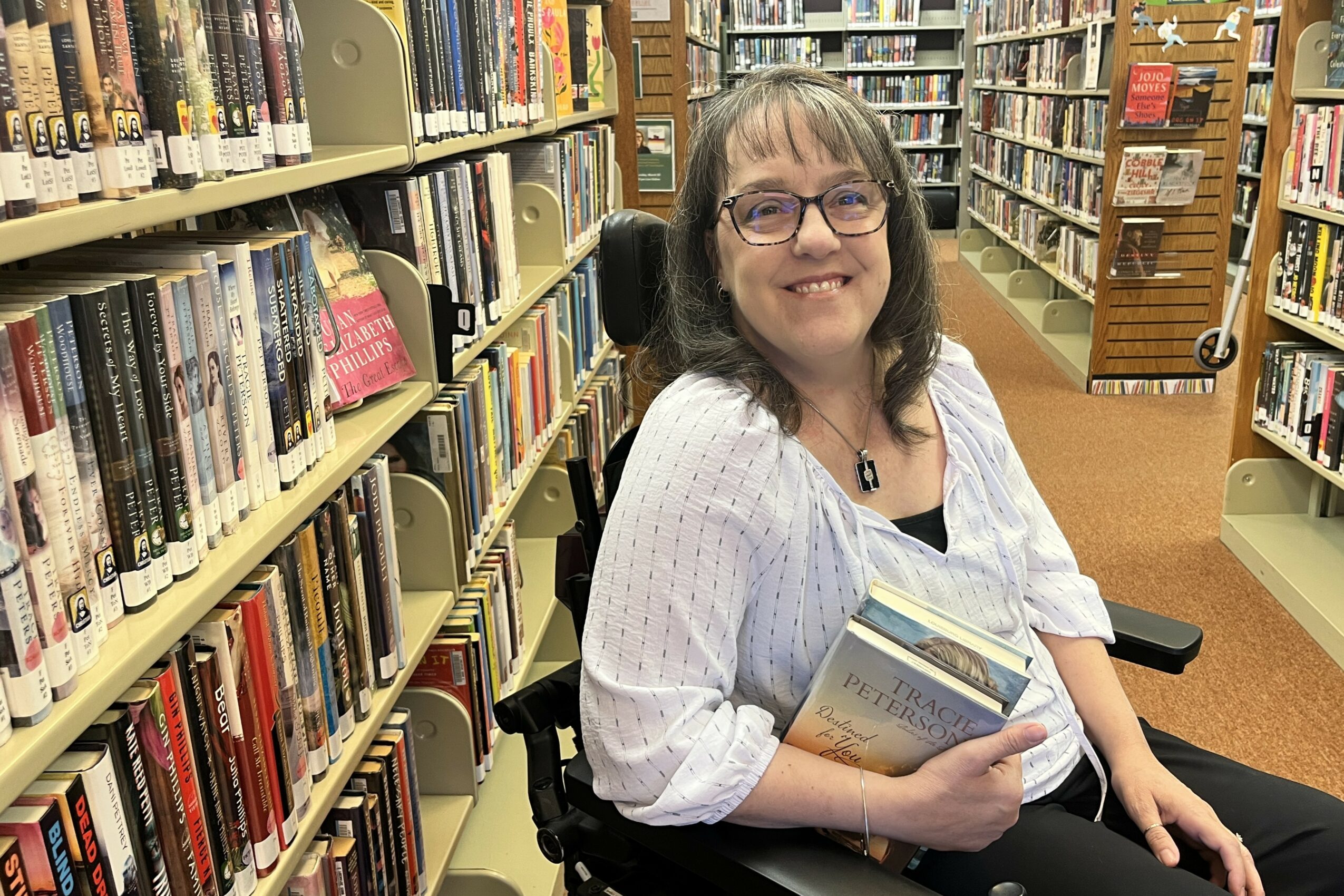
Today we’d like to introduce you to Kiersten Allen.
Hi Kiersten, can you start by introducing yourself? We’d love to learn more about how you got to where you are today?
I have always loved words and the power of storytelling. I earned both a Bachelor of Arts and a Master of Arts in English from Kansas State University, which laid the foundation for a career rooted in writing, teaching, and community engagement.
Early in my career, I wrote for the Louisburg Herald while also teaching English and writing courses as an adjunct instructor for several colleges. Writing and education were constant threads in my professional life, but I was still searching for a role that combined creativity, service, and connection.
One day, I stopped by the Louisburg Library to see if they were hiring—and they were. They needed a Youth Services Coordinator. With encouragement from the Library Director, I enrolled in the School of Library and Information Management program at Emporia State University. Within a year, I stepped into the role of Library Director.
Since then, the library has grown and evolved through strong collaboration with the Board of Trustees and an incredible staff. Over more than 20 years, we have expanded from a team of five to 19 dedicated employees who are deeply committed to enriching the cultural, educational, informational, and recreational lives of our patrons.
Our goal has always been simple and meaningful: that every library experience is a positive engagement, and that the impact we have on patrons truly enriches their lives. Watching the Louisburg Library grow alongside the community it serves has been the most rewarding chapter of my professional journey.
We all face challenges, but looking back would you describe it as a relatively smooth road?
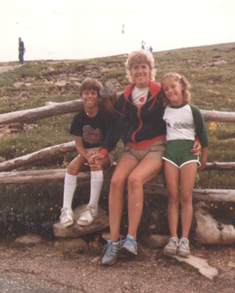
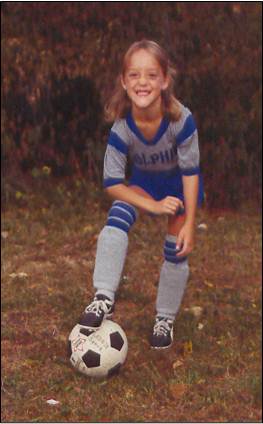
I grew up like a lot of kids—busy, active, and curious. I played soccer and softball and spent time as a gymnast. My childhood was full of movement and possibility, and I had no reason to imagine that would change.
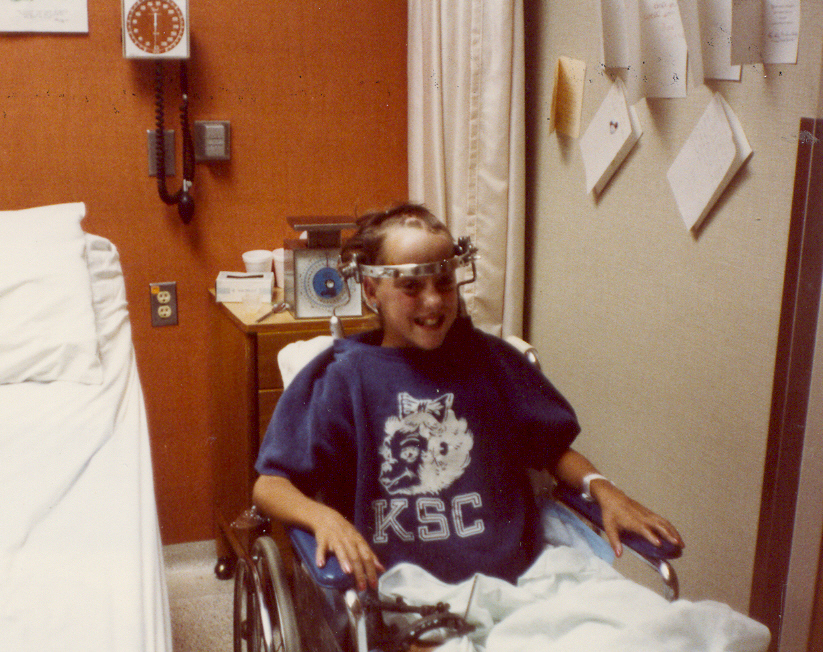
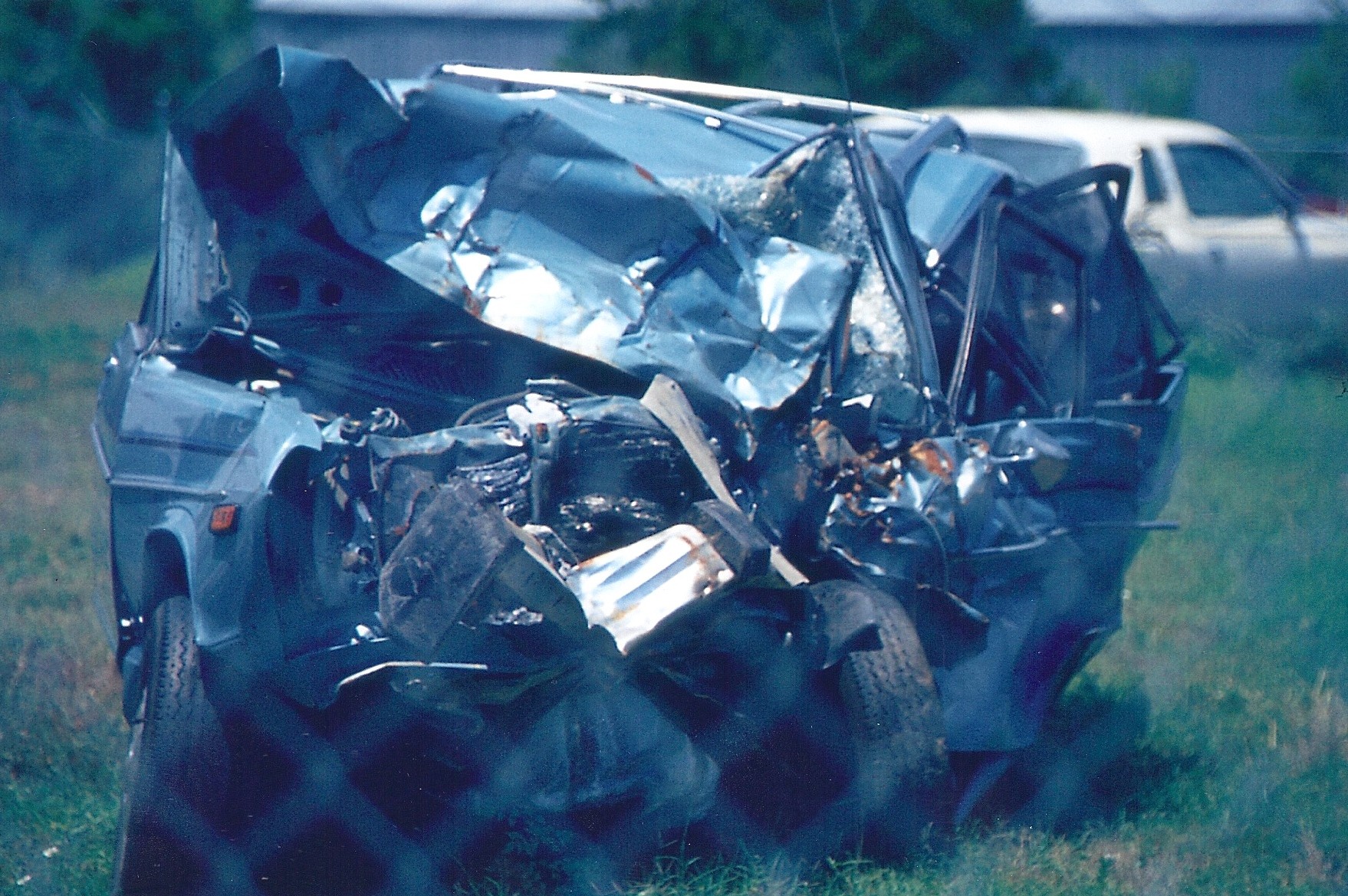
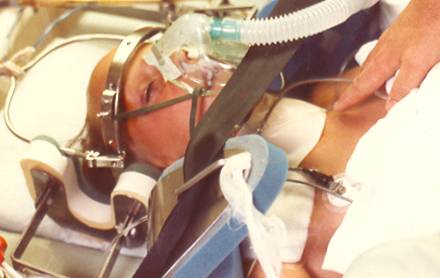
Everything changed abruptly when I was nine years old. I was involved in a drunk driving crash that killed my mother, my brother, and two family friends. I survived, but not without lasting consequences. I was in a coma, temporarily paralyzed, and sustained serious injuries, including a broken right femur, internal injuries, and an incomplete spinal cord injury at C5–C7.
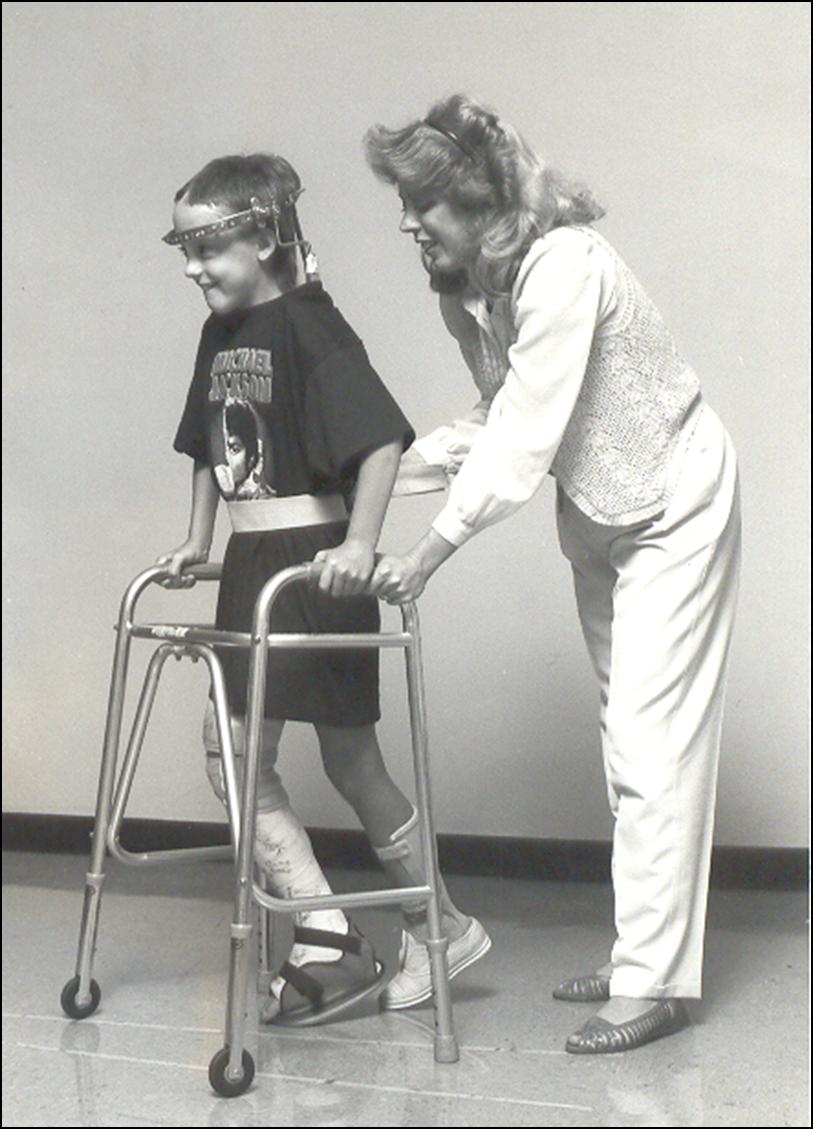
Recovery was long and complex. I underwent multiple surgeries, including hamstring transfers in both legs and an attempted Achilles lengthening so I could walk more effectively. I later developed pseudotumor cerebri—symptoms identical to a brain tumor caused by fluid pressure on the optic nerve—which required repeated spinal taps to relieve the pressure.
For more than 20 years, I walked with an altered gait. During that time, I chose to share my story with teens and adults through driver’s education programs and victim impact panels, hoping to prevent others from making the choice to drink and drive. Advocacy became a quiet but important part of my life.
As the years went on, the physical impact of my injuries continued to surface. I’ve had surgery on my thoracic spine, a meniscus repair, and eventually a total knee replacement. Cervical stenosis required surgeons to place a wedge to protect my spinal cord from collapsing. I now have an intrathecal pump to manage spasticity, take multiple medications daily, and carefully manage chronic pain.
In the last four years, I transitioned to using a wheelchair. I drive using hand controls and continue to work full-time. In 2022, I also survived breast cancer—another chapter that reinforced both my vulnerability and my strength.
I am a parent to three grown children, a grandparent, a wife, and a working professional. By the time I get home each day, I need to rest—often spending the evening in a recliner while my pain medication takes effect. It’s not glamorous, but it’s real.
These experiences shaped who I am. They taught me patience, empathy, endurance, and perspective. I learned early that life can change in an instant, and that resilience doesn’t mean pretending things are easy—it means continuing forward anyway. I don’t view my challenges as defining limitations, but as the lens through which I understand people, lead with compassion, and choose to show up fully in my work and my life.
Alright, so let’s switch gears a bit and talk business. What should we know about your work?
As a library director, I don’t think of my work in terms of a single specialty. My focus is on people—guiding and motivating staff, building a culture rooted in collaboration and trust, and ensuring open communication, respect, and employee well-being. I see my role as creating the conditions where librarians can do their best work and where every team member feels valued, supported, and empowered.
I lead with the belief that we are a team of Librarians in Action—professionals who are intentional about strengthening the library experience both internally for staff and externally for our community. That means encouraging curiosity, adaptability, and a shared sense of purpose in everything we do.
Two professional experiences have been especially impactful in shaping my leadership. The first was my involvement in the R-Squared (Risk & Reward) Conference, a landmark event in library innovation that brought together 350 library professionals to explore creativity, thoughtful risk-taking, and emerging models for libraries. The conference emphasized “the new librarianship” and reinforced the importance of community-centered service—an approach that continues to influence how I lead and how our library evolves.
The second was my participation in the Kansas Leadership Center, which is grounded in the belief that everyone can lead. The program equips individuals—regardless of title or role—to engage others, build trust, and move organizations and communities forward. I returned from that experience motivated, energized, and committed to helping my staff see themselves as leaders, too.
From that inspiration, I developed Librarians in Action day-long workshops that shifted our organizational focus outward. The goal is simple but powerful: to see people as individuals, understand what motivates them, and act in ways that benefit the broader community. For me, leadership is about fostering positive relationships, encouraging growth, and creating meaningful impact—both within the library and far beyond its walls.
What sets me apart is not a single skill or accomplishment, but a consistent commitment to people-centered leadership and to building a library culture that is responsive, compassionate, and deeply connected to the community it serves.
Do you have recommendations for books, apps, blogs, etc?
One of the ongoing challenges I’ve faced as a leader is maintaining a strong culture of respect, trust, and open communication—especially in a profession that is deeply people-centered and constantly evolving. Along the way, a few key resources and philosophies have shaped how I show up, lead, and sustain myself.
The R-Squared (Risk & Reward) Conference and my experience with the Kansas Leadership Center came at exactly the right moment in my career. Both reinforced the idea that leadership is less about control and more about connection, courage, and clarity. They gave me tools to lead through change and to empower others to see themselves as leaders, regardless of title.
More recently, I’ve found tremendous value in Mel Robbins’ Let Them Theory. This mindset has been transformative in helping me focus my energy on what I can control—my actions, my responses, and my values—rather than becoming weighed down by other people’s opinions or behaviors. Simply saying “Let them” has been freeing, especially in leadership roles where not every decision will be understood or agreed upon.
I also deeply admire Brené Brown’s work. Her message—that vulnerability is the pathway to courage and connection—resonates strongly with me. She reminds us that living authentically matters more than striving for perfection, and that embracing discomfort and imperfection is essential to building trust and meaningful relationships. Her work has influenced how I approach difficult conversations, leadership accountability, and personal growth.
Finally, Simon Sinek’s Golden Circle—why, how, and what—has had a lasting impact on how I communicate and lead. While the concept is simple, living it well is anything but. Starting with why helps clarify purpose, align teams, and inspire action. It’s a framework I return to often when navigating change, articulating vision, or strengthening organizational culture.
Together, these resources have helped me lead with intention, empathy, and clarity—and have reminded me that the best leadership starts from the inside out.
Contact Info:
- Website: https://www.facebook.com/kiersten.allen.31/
- Facebook: https://www.facebook.com/ThePowerOfPositiveChoices/
- LinkedIn: https://www.linkedin.com/in/kiersten-allen-62a371a/