





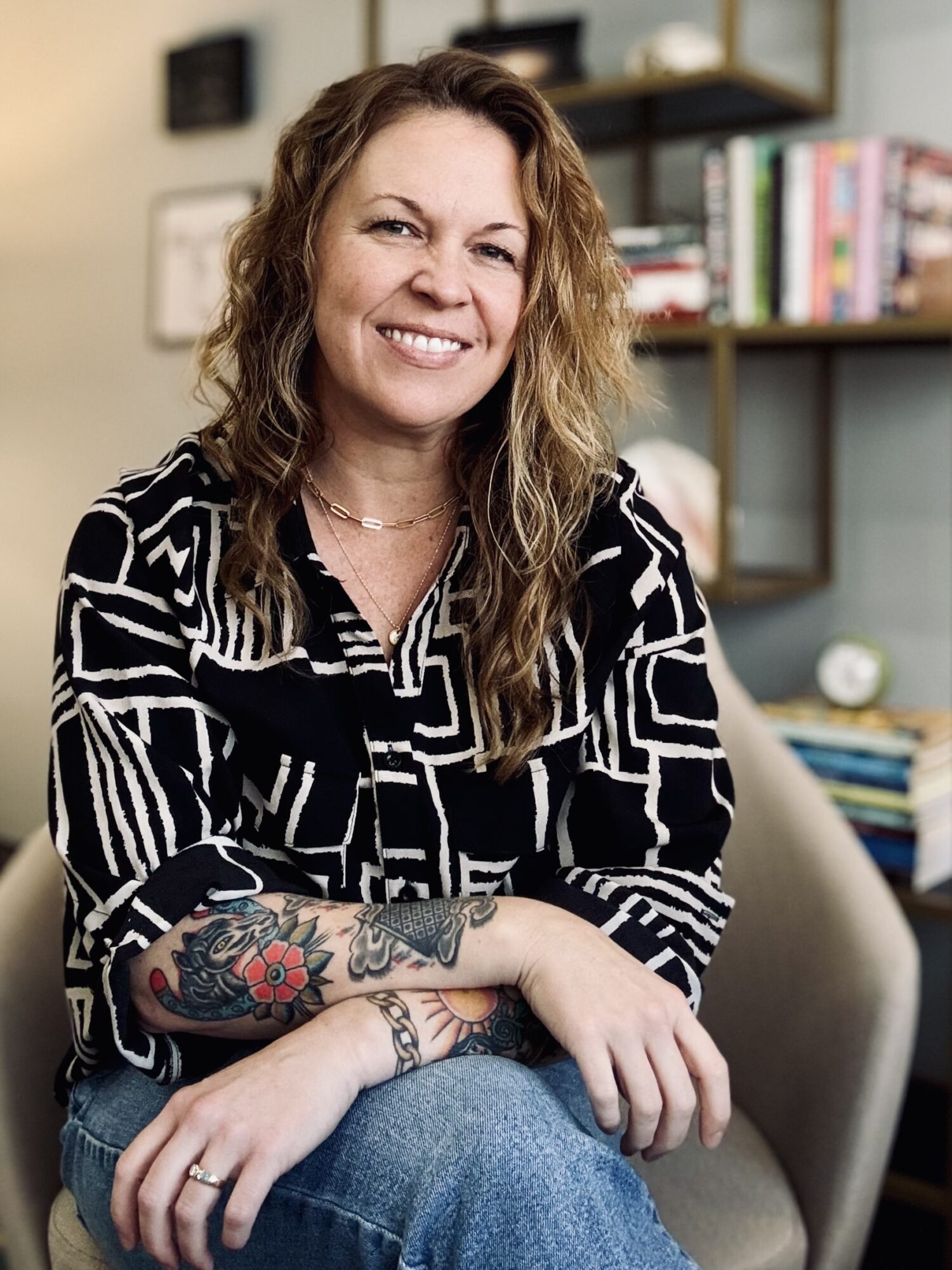
Today we’d like to introduce you to Krista Kastler.
Hi Krista, we’re thrilled to have a chance to learn your story today. So, before we get into specifics, maybe you can briefly walk us through how you got to where you are today?
My story begins with being an observant little kid watching my parents divorce and rebuild their lives, all while quietly carrying my own pain about the changes around me. I learned early on that I could earn positive attention through good grades and athletic achievement, so the structure of school—and later a Political Science degree—gave me something steady to hold onto. As my senior year of college wrapped up and I faced the uncertainty of life without a clear program or path, I joined the Peace Corps hoping two years of teaching English in China might help me figure things out. While that experience taught me invaluable lessons about resilience, culture, and connection, I still didn’t feel called toward a particular career. I returned home and enrolled in the Social Work program at the University of Kansas, thinking it might be a practical extension of my political science background and eventually lead me into program administration. But as I moved through my practicum placements—first with a Political Action Committee, then in a community mental health nonprofit—I found the greatest sense of meaning in the quiet, human moments of sitting one-on-one with people as they shared their fears and hopes. Over the years, I’ve come to understand how our minds and bodies develop protective layers to help us survive hardship, and how profoundly healing it can be to soften those layers in the presence of connection and community.
Alright, so let’s dig a little deeper into the story – has it been an easy path overall and if not, what were the challenges you’ve had to overcome?
I’ve been fortunate to cross paths with remarkable mentors—and to discover therapeutic modalities—that have shaped and supported my growth as a Clinical Social Worker. When people seek therapy, they’re often looking for someone who can hold steady in the midst of their hardest moments, someone with both confidence and compassion. As a new, and especially young, therapist, it was challenging to feel grounded in myself while sitting in the role of “the professional.” Over time, through lived experience and through doing my own therapeutic work, I’ve grown more rooted, authentic, and at ease. That personal healing has allowed me to be more open and present with my clients, creating space for them to access their own capacity, resilience, and inner wisdom.
Appreciate you sharing that. What else should we know about what you do?
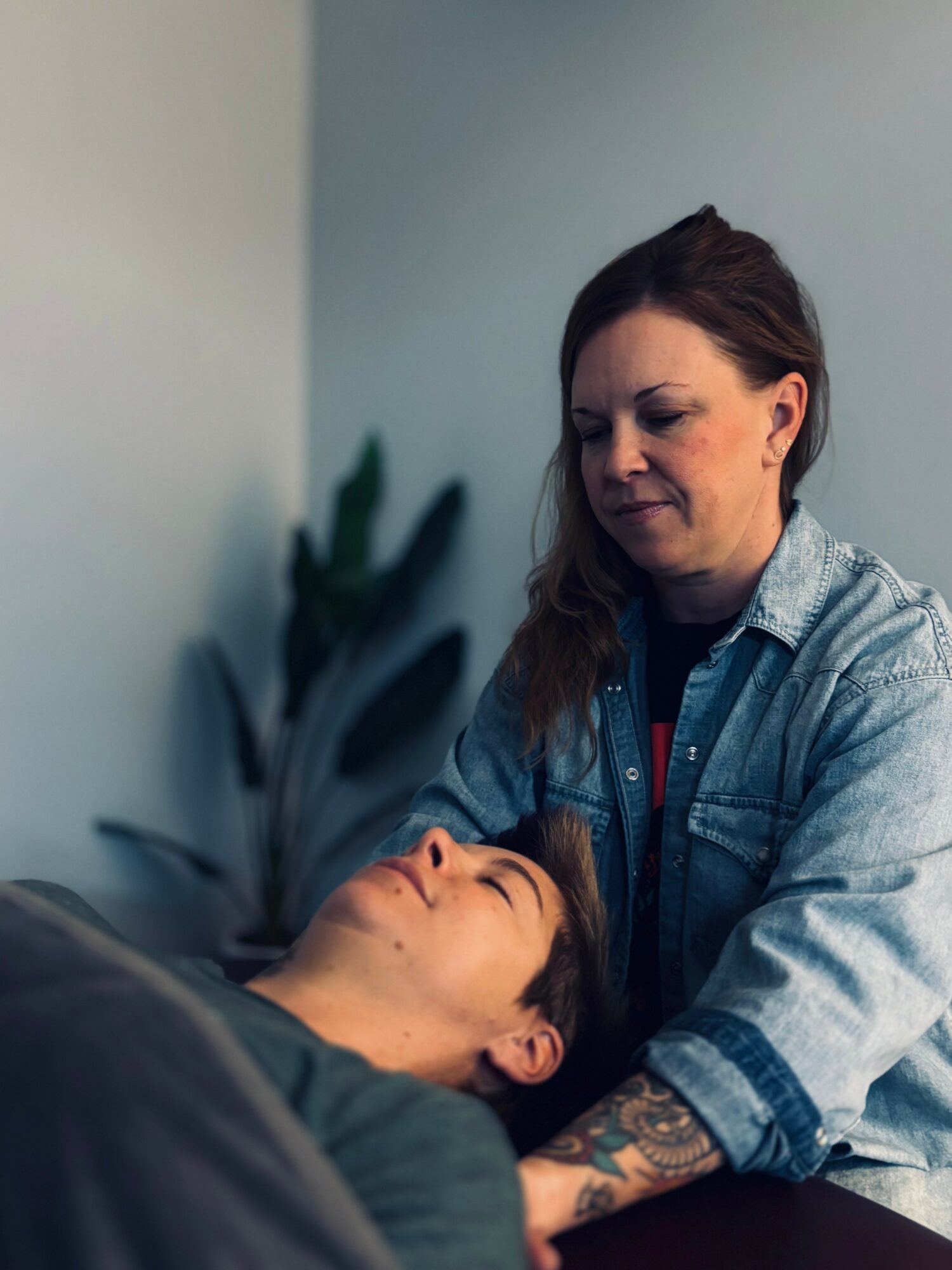
I am a Clinical Social Worker and trauma specialist who provides integrative, evidence-based therapy for adults navigating the impact of stressful or traumatic experiences, depression, anxiety, and other mental health concerns. Although I now work primarily with adults, I spent the early part of my career supporting children in school and residential settings, and I often draw on those experiences when sitting with the adults I see today. I deeply believe that all of us are doing our best to get our needs met in our relationships, and that sometimes we fall back on older, more regressed strategies that once protected us but now keep us stuck in patterns that no longer serve us. To help clients create meaningful change, I rely on the modalities I’ve found most impactful throughout my career—EMDR and Somatic Experiencing—which allow people to process overwhelming experiences while reconnecting with their own resilience and capacity for healing. I’m known for my collaborative, grounded approach, whether I’m working one-on-one with clients or providing EMDR consultation and training to clinicians. What I’m most proud of is the trust I’ve built within the community and the inclusive, trauma-informed space I’ve created where people can show up fully as themselves.
Where we are in life is often partly because of others. Who/what else deserves credit for how your story turned out?
I’ve been incredibly fortunate to have many people shape my work and growth, but the earliest and most profound teachers were the children I worked with in the foster care system. Those young people taught me lessons that no training or degree ever could. They showed me what courage looks like in the face of overwhelming circumstances, and they helped me understand that while I can’t save anyone from what life has in store for them, I can be a steady, compassionate witness to their pain and their strength. That realization continues to guide my work with adults today.
I’m also deeply grateful to the colleagues, supervisors, and mentors who nurtured my skills along the way—clinicians who modeled what it means to be grounded, ethical, and deeply human in this work. My EMDR community, including the consultants and trainers who invested in me when I was first learning the model, has been instrumental in shaping both my clinical practice and my identity as a consultant. And I’m continually inspired by the clients I serve. Their willingness to show up, be vulnerable, and trust the therapeutic process fuels my commitment to creating a safe and inclusive space for healing. My success is really a reflection of all the people who walked alongside me—whether for a moment or many years—and I carry each of them with me into the work I do today.
Contact Info:
- Website: https://www.kristakastler.com