





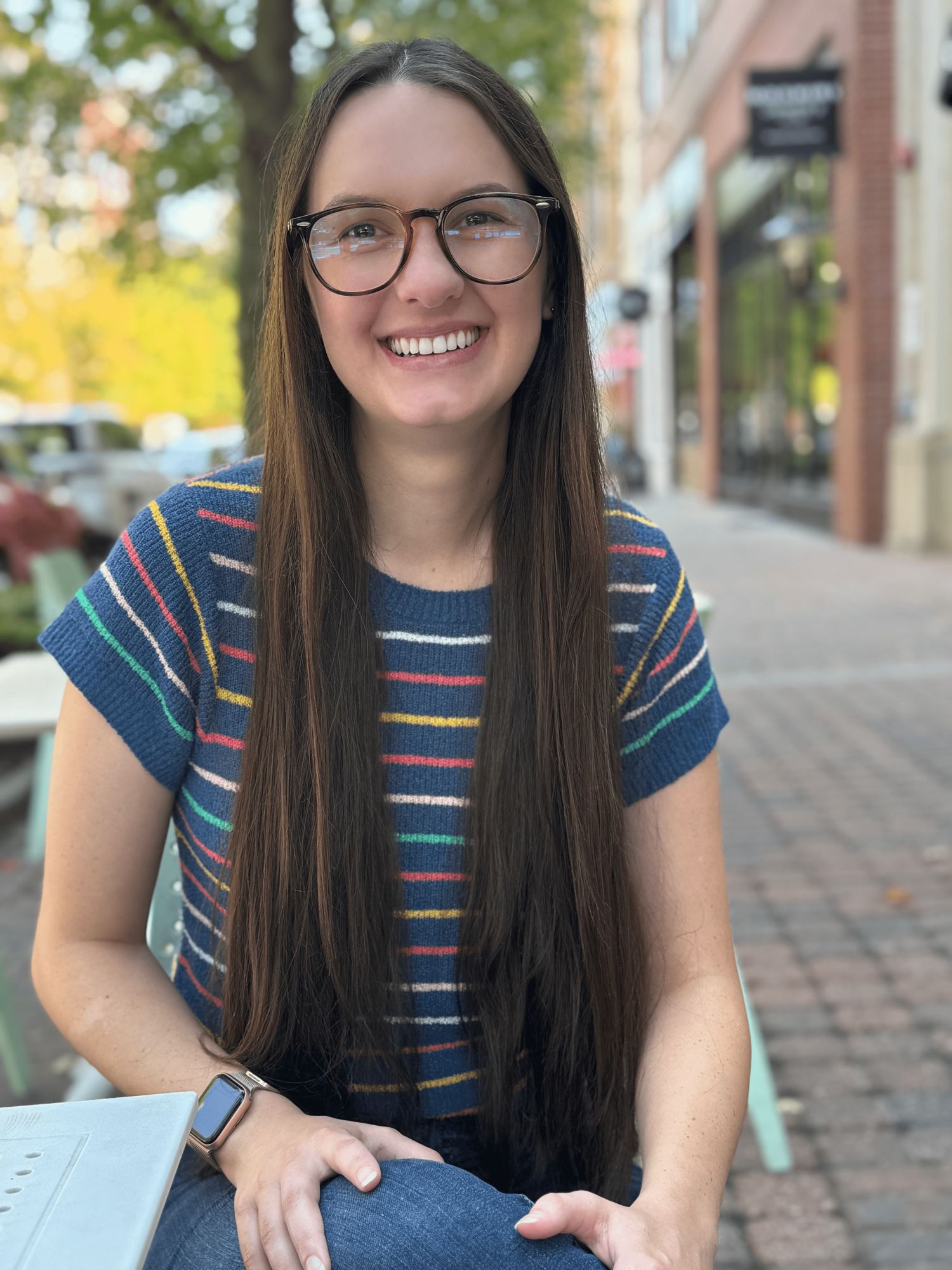
Today we’d like to introduce you to Morgan Piercy.
Hi Morgan, thanks for joining us today. We’d love for you to start by introducing yourself.
I am a therapist in private practice in Olathe who specializes in religious trauma recovery from a neuro-affirming perspective. Therapy for trauma caused by faith communities and high-control groups is not about bashing anyone’s lifestyle; it’s about helping the folks who got caught in the crossfire. Growing up in the Christian school movement in Tulsa, Oklahoma inadvertently taught me how insidious things like narcissistic abuse, authoritarian mind control tactics, spiritualization of politics, oppression of women, and group think can truly be. Even when this is far from leadership’s intentions, lack of awareness can foster an environment that feels emotionally unsafe for followers. I want to step back for a second and note that for many people, faith is a beautiful resource in their lives, and helps them connect with their most deeply held values. I celebrate and cheer on those clients who are making spirituality work for them! At the same time, it can be especially tough for folks who have <i>not </i>had that experience to feel heard and understood. They can feel like outsiders in a society where it’s very difficult to find community outside of organized religion, all while unlearning ideology that no longer fits what they want out of life. On top of that, they’re feeling guilty for not recognizing all of this sooner! For the last decade, we’ve all seen a cultural shift within evangelicalism and Christianity as a whole. The values that millennials and Gen Z grew up with don’t always align with the values our former churches or faith communities are currently practicing. As a therapist, I see this as an opportunity to live a more authentic life, overcome people-pleasing tendencies, and model compassion with no strings attached. That transformation doesn’t happen overnight, though; there’s a lot of grieving and rebuilding in the process.
I’m sure it wasn’t obstacle-free, but would you say the journey has been fairly smooth so far?
Diving deep into the world of “church hurt” (i.e. religious trauma and spiritual abuse) has challenged a lot of my assumptions. The biggest surprise and shift was realizing how much overlap there is between adverse religious experiences and neurodivergence. Folks with ADHD and/or autism already have a strong sense of justice, and so spiritual abuse hits them in a powerful and unexplainable way. This population is also very driven to pursue their passions, which can make them more likely to accidentally put themselves in a position of being overworked and overlooked at church. When this is coupled with religious language or spiritual bypassing, people can feel guilty for being overstimulated, exhausted, or “not doing enough”. There is also so much overlap between social trauma from just existing as a neurodivergent individual, and the way in which certain communities (that aren’t exactly neuro-affirming) can exacerbate feelings of being misunderstood.
Due to that realization, a large part of my practice is working with kids, teens, and adults who are experiencing neurodivergent burnout at school, work, or home. I offer sand tray therapy interventions for days when clients are feeling minimally verbal, so they don’t have to mask during the very hour that’s intended to help them feel rejuvenated. One thing that we often don’t consciously think about is that neurodivergent kids turn into neurodivergent adults, who are still affected by their social history. I love supporting ADHDers, autistic, or AuDHD adults who are navigating dating, roommate relationships, friendships, and relationships with parents.
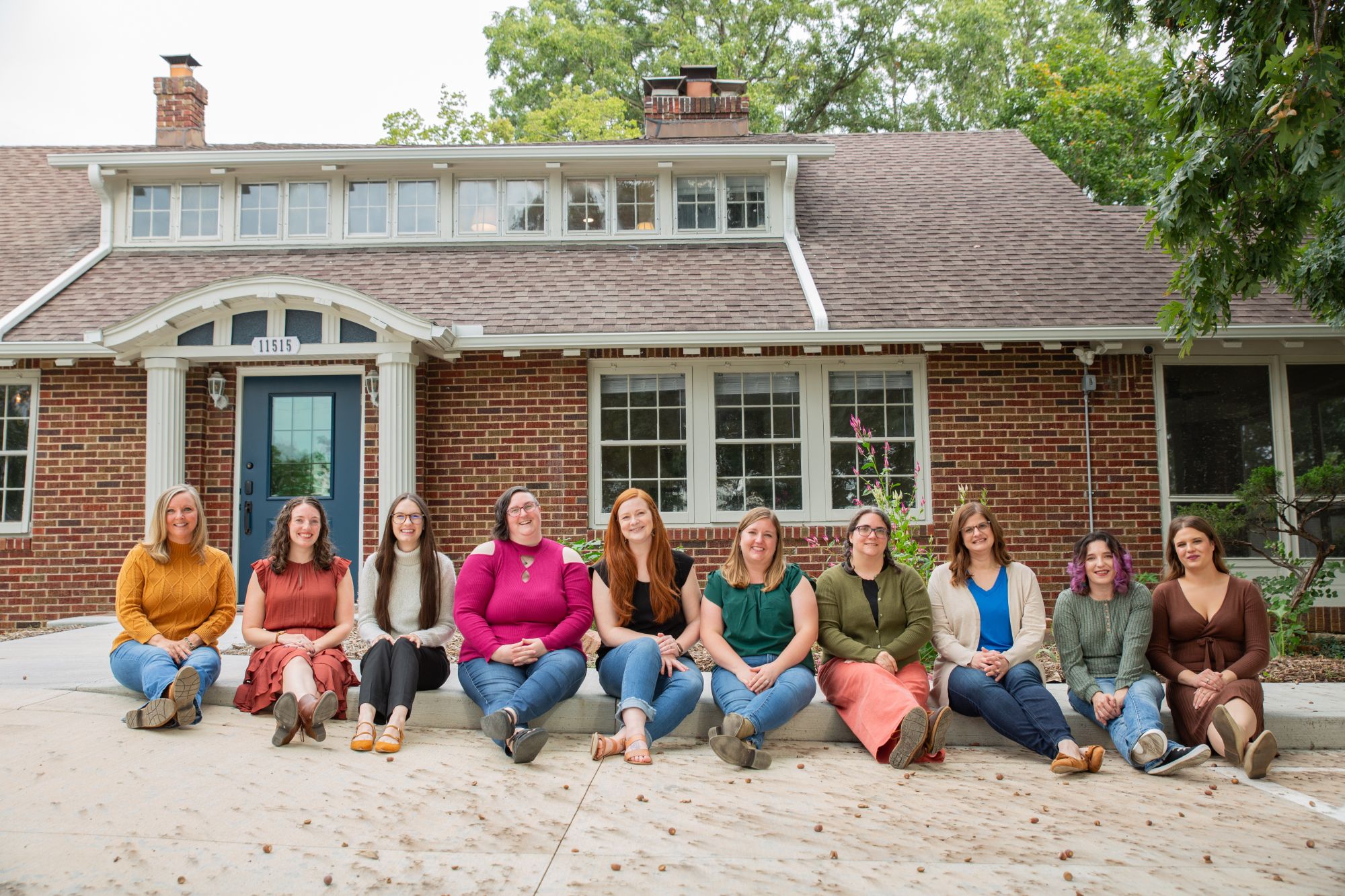
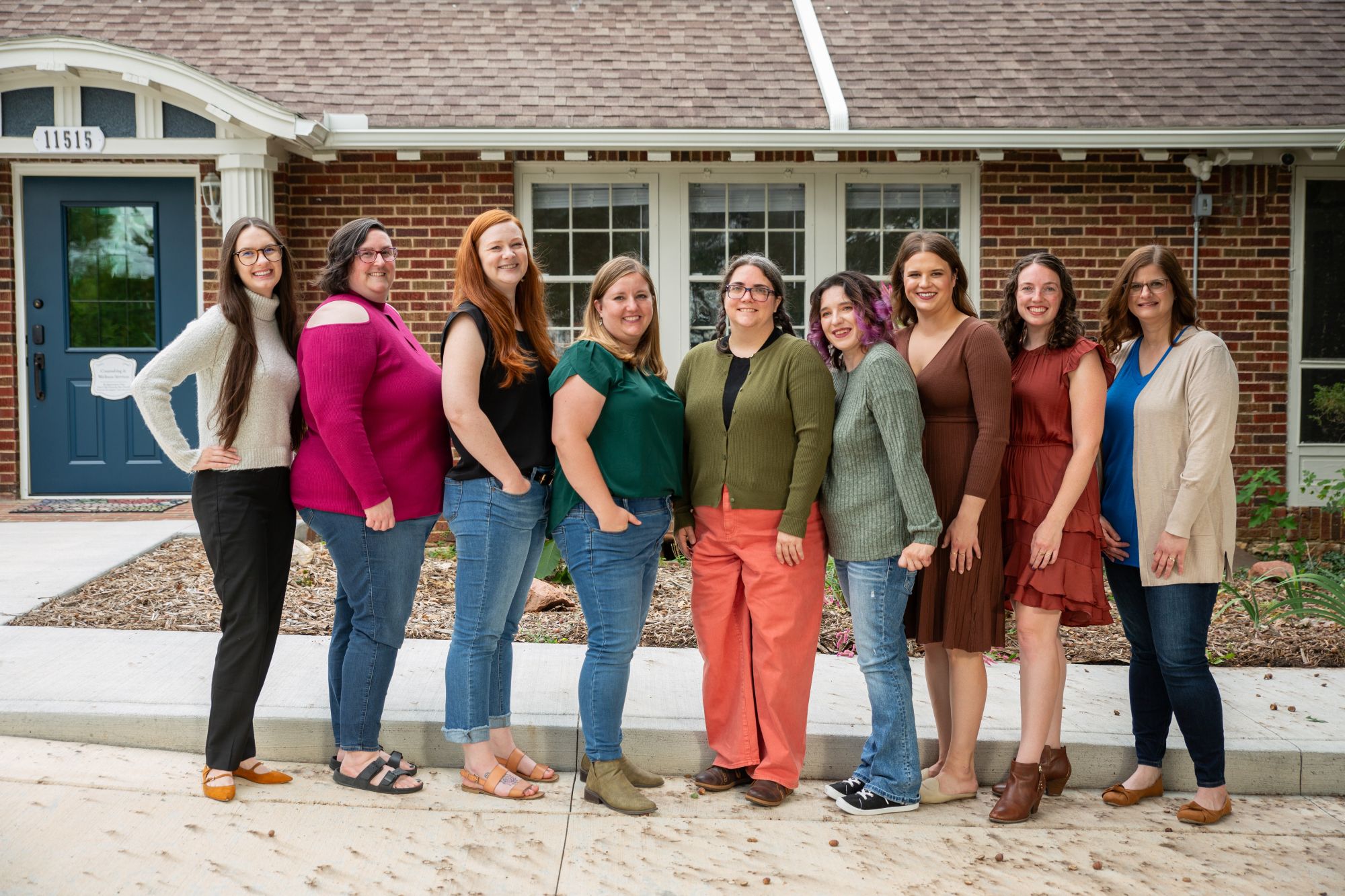
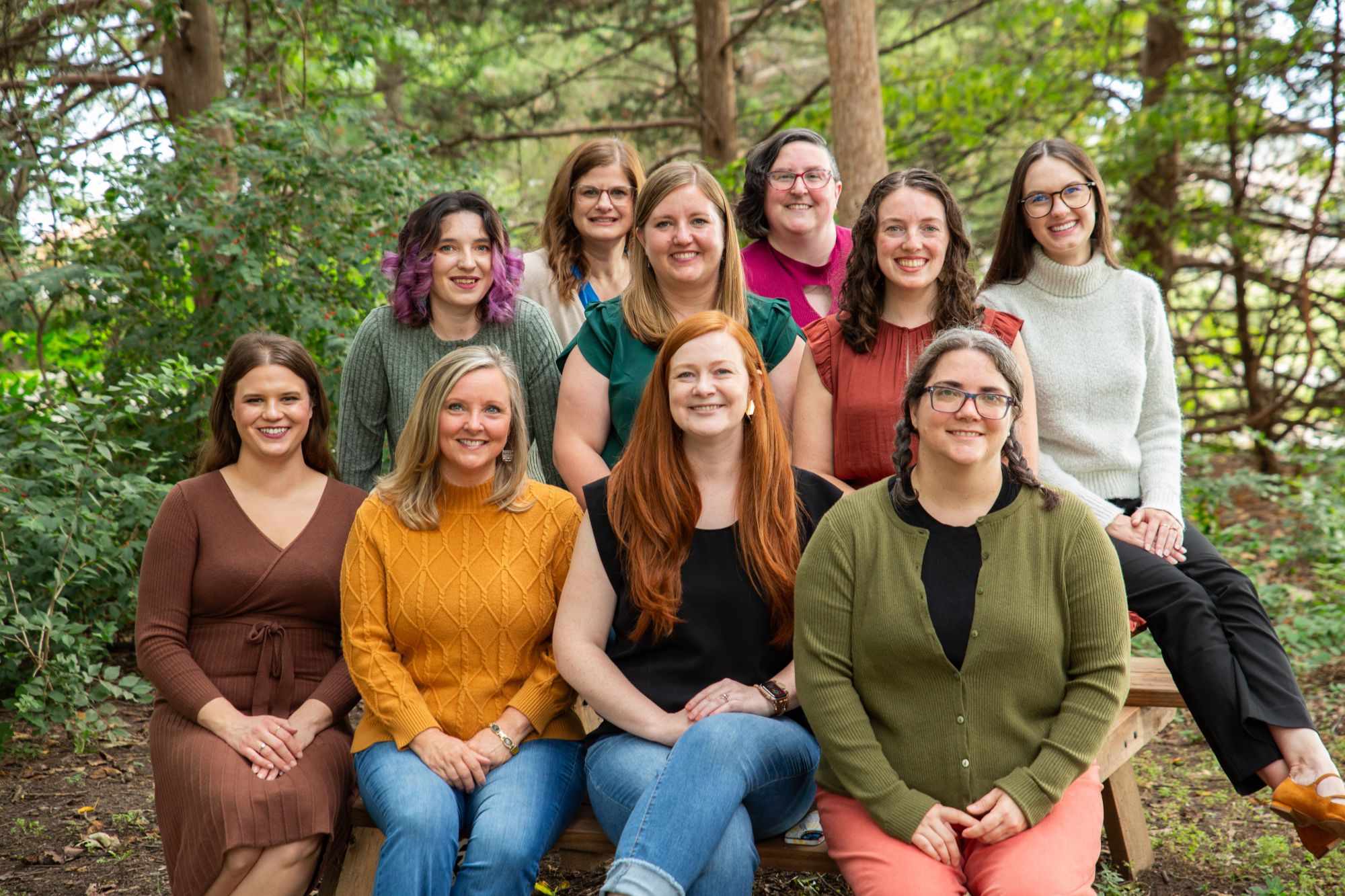
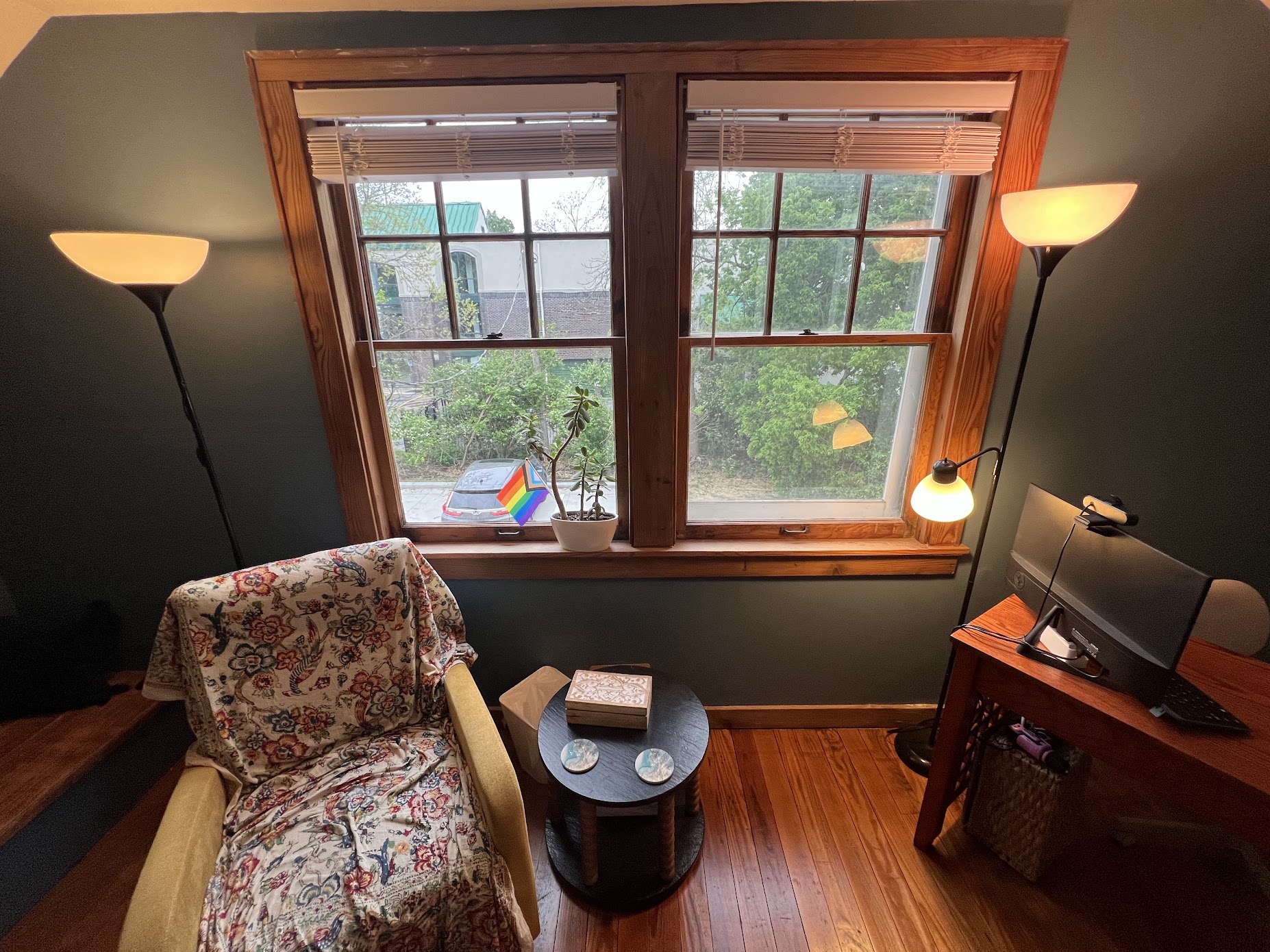
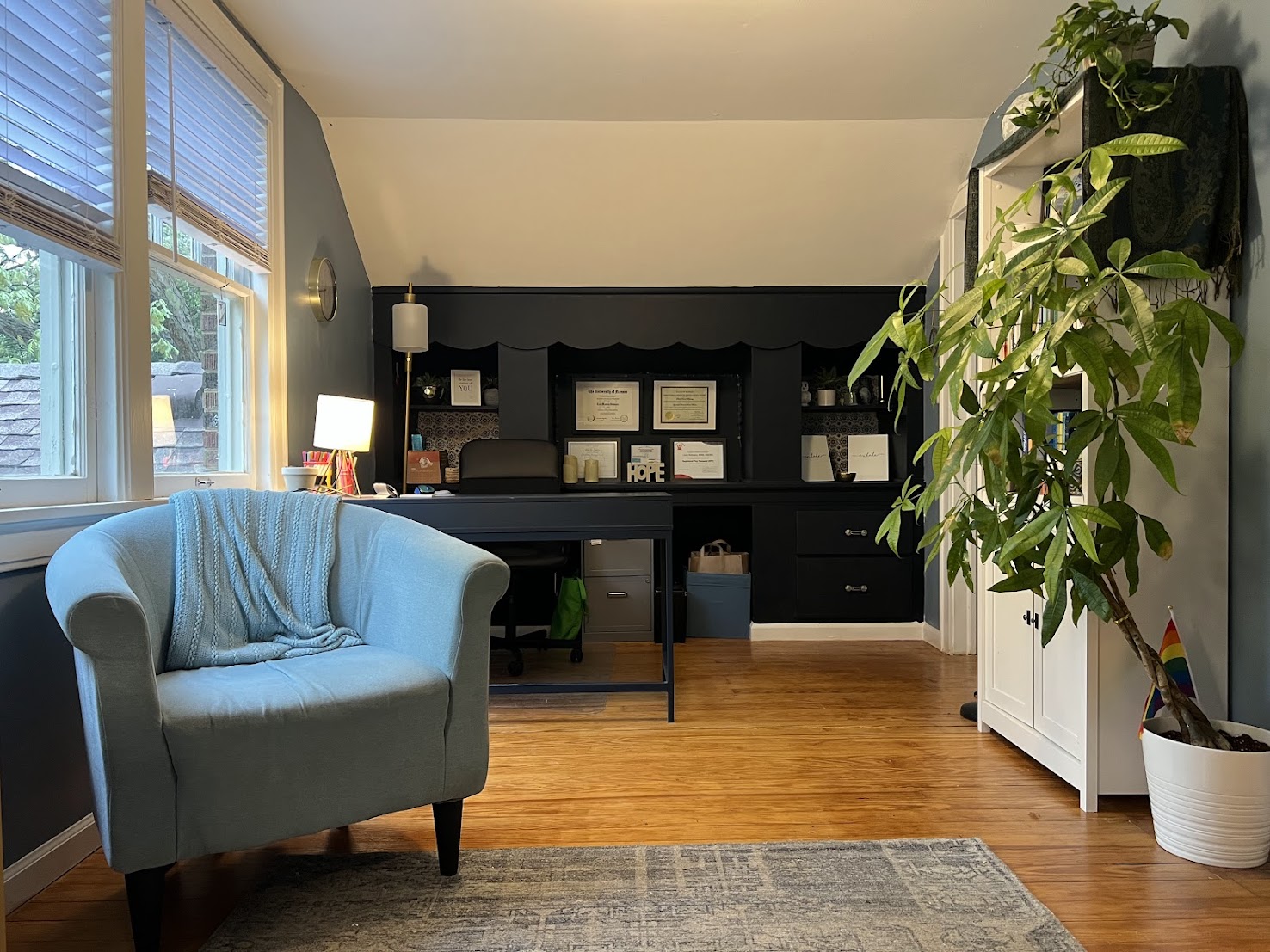
I’m so proud to be a part of Hope Roots Collective at 119th & Black Bob. We clinicians get to enjoy neuroaffirming spaces, amenities, and tools. My personal favorites are the adult-sized outdoor swings for clients who like movement when they talk, or sand tray therapy for clients who would rather create a scene to depict their experience than talk it out. All of the therapy rooms feature gentle light and fidget toys galore! We’re a quirky bunch, and joining Hope Roots Collective is the smartest career decision I have ever made.
Thanks – so what else should our readers know about Deconstruction Counseling?
I knew from the beginning I was going to call my practice Deconstruction Counseling, due to my passion for helping individuals experiencing faith shifts during our tense sociopolitical climate. It was also a pretty fun nod to the fact that my first career was in engineering. It ended up not being varied or social enough for me, so I guess in a way I also “deconstructed” my own career aspirations.
The term “deconstruction” also resonates with me as a therapist who is a little obsessed with Acceptance and Commitment Therapy. “Deconstruction” has a lot of connotations in both the evangelical and exvangelical communities, but essentially I see it as an examination of one’s worldview for the purpose of designing a more values-driven life. This can be tricky if you were sheltered as a child, and so the values you were handed don’t exactly fit how you perceive the world today. There can be a lot of resentment towards parents and other loved ones, putting strain on family holidays and major life events. I love working with individuals who are sorting through their own personal history of narcissistic abuse, church trauma, hell anxiety, gender identity concerns, and shame for not fitting into that elusive “perfect little box”.
Are there any important lessons you’ve learned that you can share with us?
What most folks don’t realize about deconstructing your childhood religious influences is that so much of the processing and unpacking is grief work. You used to have all the answers and all the certainty… and now it’s gone. You’re left with this ambiguous loss as you go through life beating yourself up for not following rules that don’t align with your values anyways.
It’s okay to make a pivot in life after looking around and realizing, “the only reason I’m still going through the motions is because I don’t want to disappoint my family”. That’s so complicated, and so valid! Wanting to be close to family members with whom you don’t see eye-to-eye is one of my favorite client goals, and it doesn’t necessarily mean you’re a people-pleaser. Maybe you’ve fallen into this same pattern of making yourself small so that you don’t offend your family or make them uncomfortable. However, this leads to you feeling more distant from them, as they don’t see you for who you really are now.
I work a lot with cult survivors, parents of transgender young adults, neurodivergents who are burnt-out social justice warriors, and women who love to dismantle the patriarchy through ethical and practical micro-rebellions.
Pricing:
- $125 (in network with some insurances)
Contact Info:
- Website: www.deconstructionkc.com
- Instagram: https://www.instagram.com/deconstructionkc/
- Linkedin: linkedin.com/company/deconstructionkc/
- Youtube: https://www.youtube.com/@deconstructionkc
- Yelp: https://www.yelp.com/biz/deconstruction-counseling-olathe
- Other: https://www.threads.com/@deconstructionkc