






Today we’d like to introduce you to Luke Stivers.
Hi Luke, can you start by introducing yourself? We’d love to learn more about how you got to where you are today?
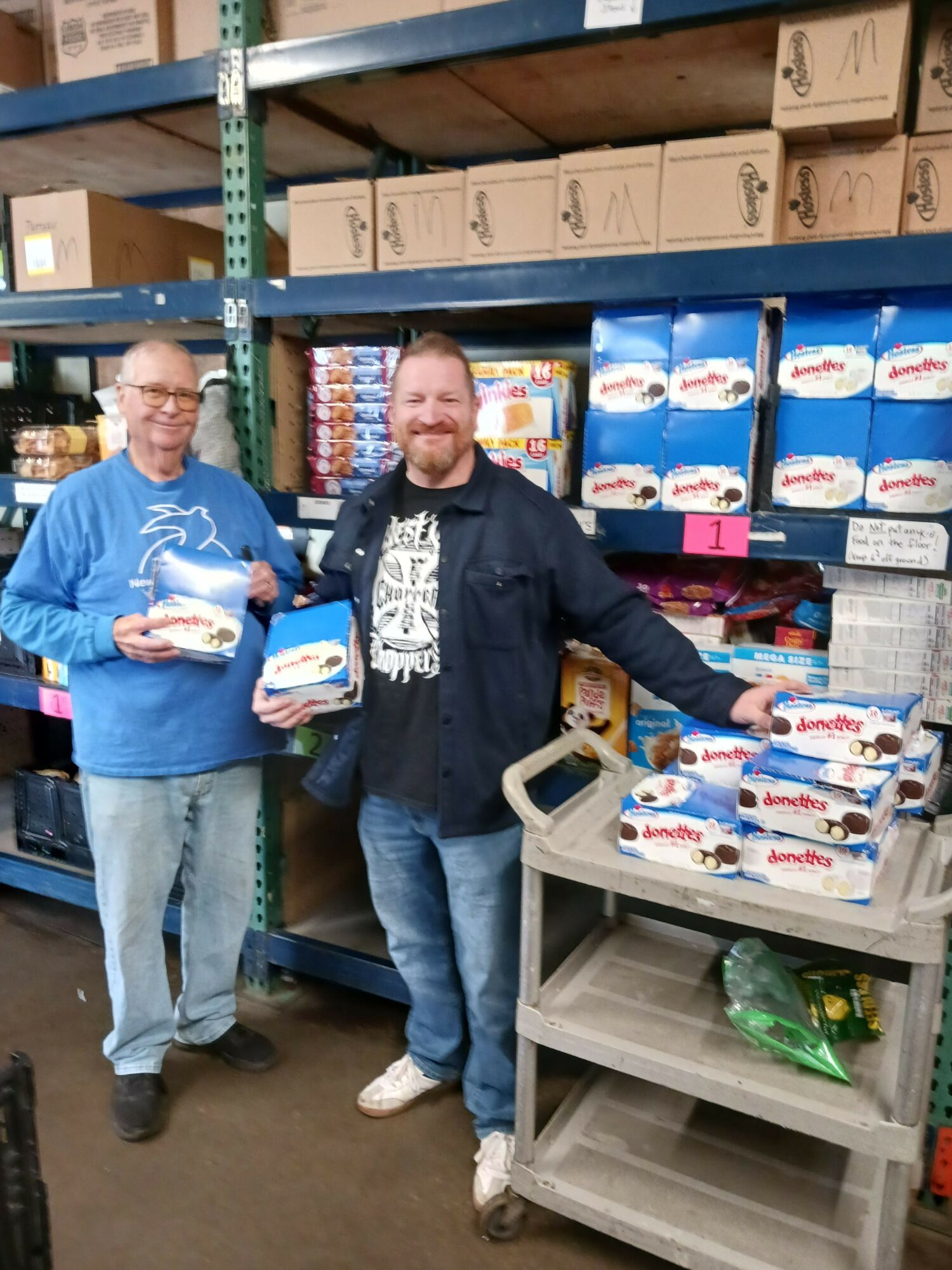
I was about to graduate seminary during the 2008 financial crisis and found that churches could not hire because of funding shortfalls. I fell in with a little non-profit in Lee’s Summit, a half-way house for the homeless to get back on their feet. I served this non-profit for 9 years while also assisting a couple of church plants in town. In 2023, my family and I began attending New Hope Presbyterian Church. In the fall I learned that the pantry was looking for a director. This opportunity was a clear and natural fit. I was excited to return to the non-profit world and thrilled with what had been built since the pantry opened in 2011.
I’m sure it wasn’t obstacle-free, but would you say the journey has been fairly smooth so far?
The non-profit sector is rarely smooth. Most non-profits are underfunded and the work is done in the shadow of insolvency. A helpful skill is the ability to compartmentalize the financials and engage fully with immediate needs. However, even when fully funded, the nature of the work uncovers needs faster than solutions. There is a tyranny of the urgent. As far as specific struggles. The hardest is when all that we can do as a non-profit isn’t enough. There are some problems that we are neither equipped nor able to solve. The pantry can provide food. A halfway house can provide a roof and bed, but neither can change the heart of a broken person. There is an internal work that must occur to break the cycle of poverty.
Alright, so let’s switch gears a bit and talk business. What should we know?
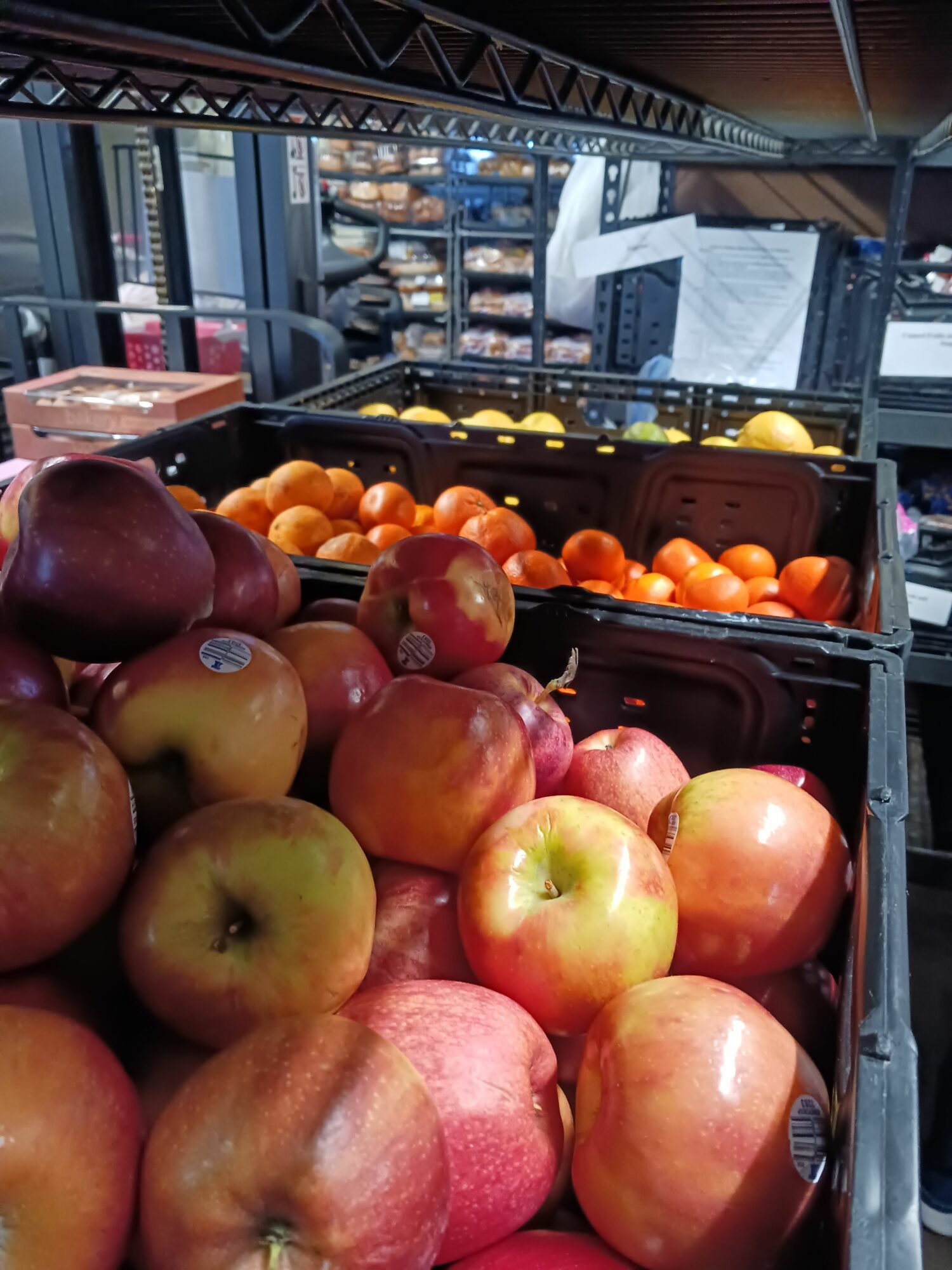
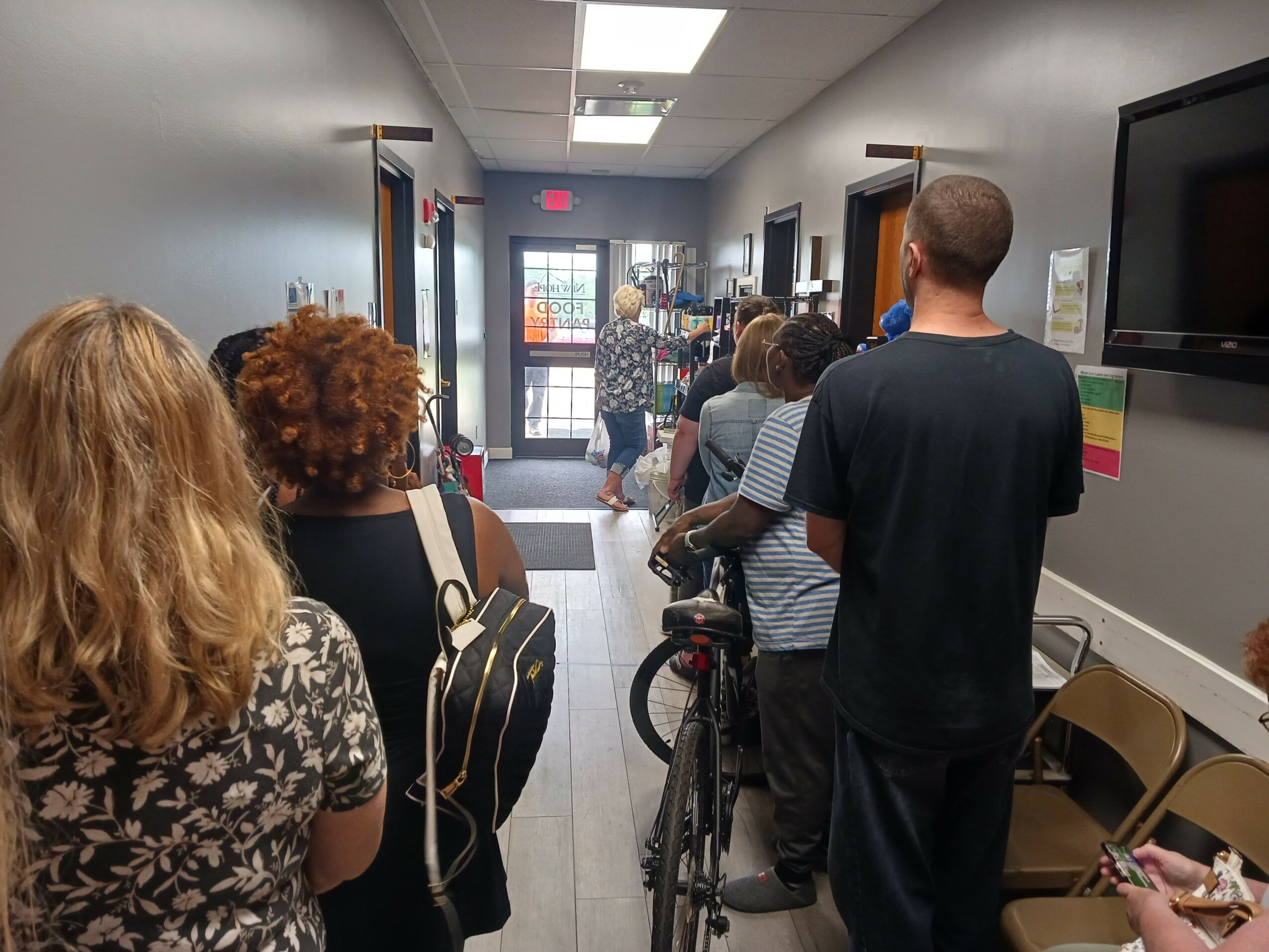
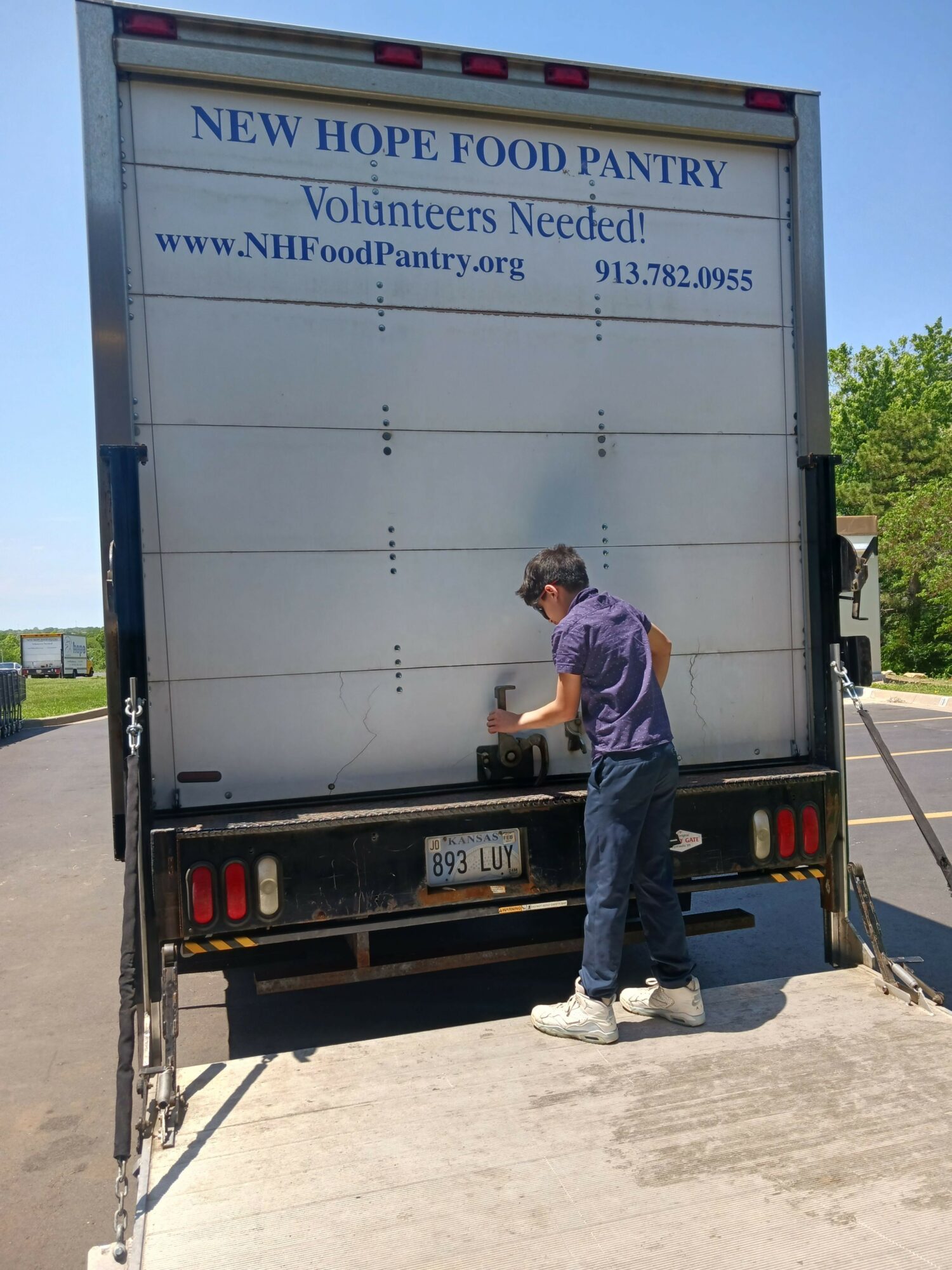
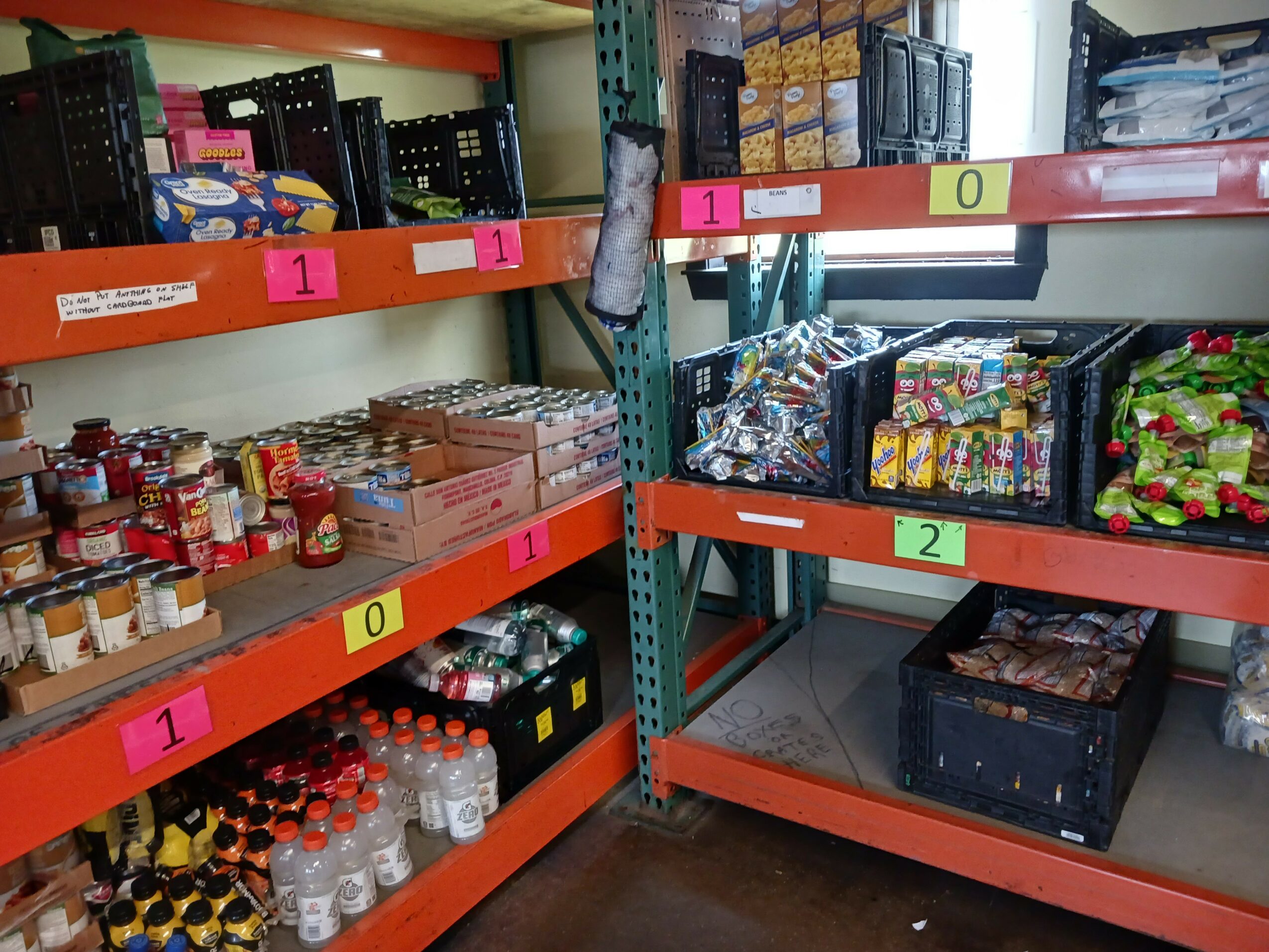
We are the largest food pantry in the tri-county area of Wyandotte, Miami, and Johnson County. We provide monthly groceries for the needy with minimal requirements. In 2024 we served 42,000 people. We’re proud to provide food for single parents, families, and retirees, anyone facing unemployment, underemployment, medical debt, or the limits of a fixed income. I want the readers to know that we have helped thousands of people during a difficult stretch. The majority of our clients use our services for a few months and then return to traditional grocery sources. Frequently we receive donations from former clients, grateful they were able to use the pantry and hoping to pay-it-forward.
In terms of your work and the industry, what are some of the changes you are expecting to see over the next five to ten years?
Wow, that is a tough question. The work of a pantry is down stream from much deeper cultural fundamentals including family stability, economic opportunity, demographics, religious commitment, and education. I don’t like to be a pessimist, but I don’t see the fundamentals improving. Nevertheless, people are resilient. I spoke to a former pantry client last week. He used pantries years ago while he was living in a shelter. He now owns a small business with 5 employees. He’s brining his employees back for a service day and we can’t wait to meet them! There will always be poverty and we expect pantry use to increase over the next 5 to 10 years. Likewise, we hope to always be available to mitigate poverty and give people some wiggle room to rise above. We can be available as long as those who know of our work support us spiritually, physically, and financially.
Pricing:
- $5 donation; fresh produce for a family of five.
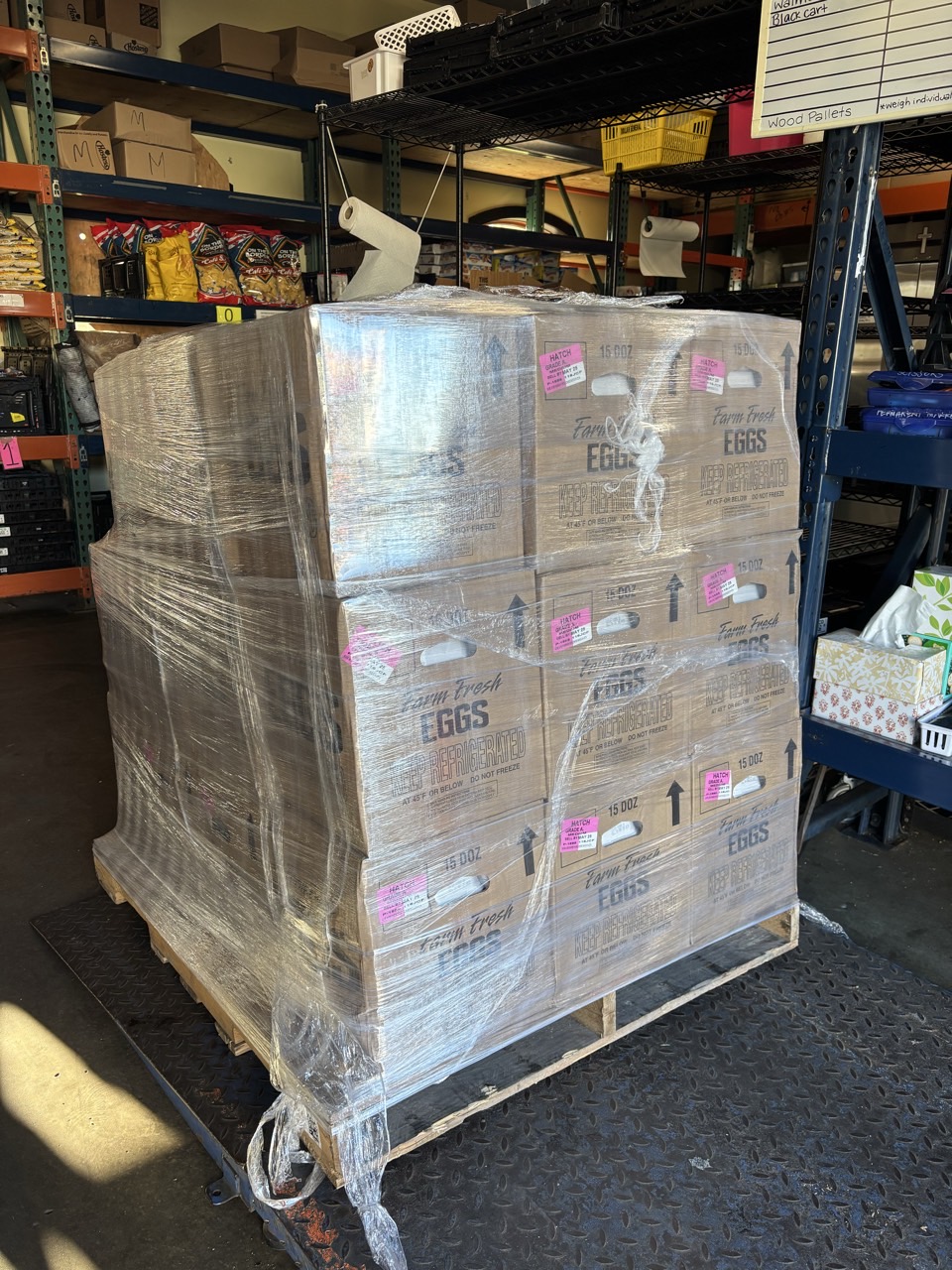
- $15 donation: 15 dozen eggs.
- $30 donation; 50lbs of rice.
- $50 donation: 33lbs of ground beef.
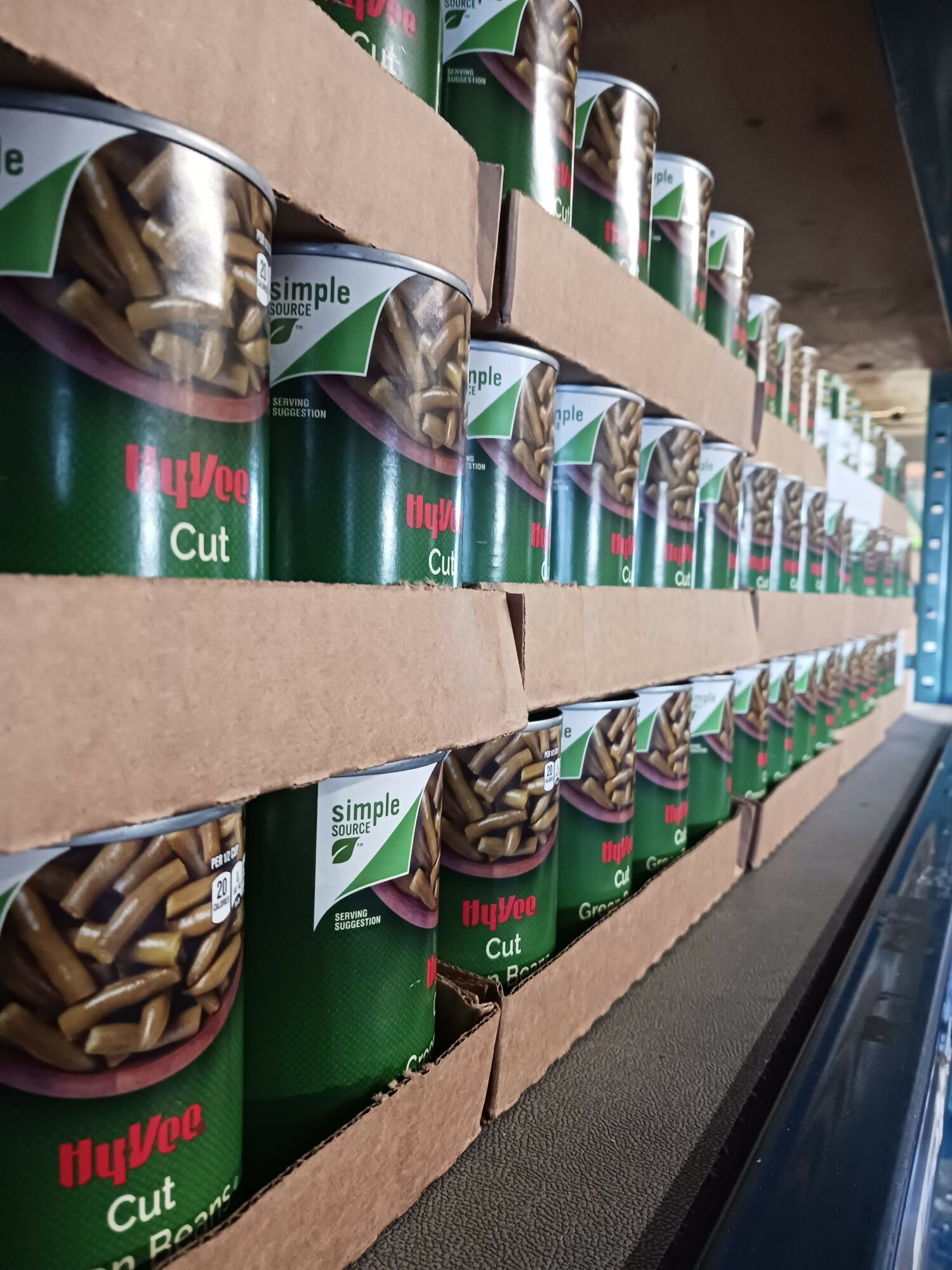
- $1,200 donation: 1 truck load of food to stock our pantry.
Contact Info:
- Website: http://nhfoodpantry.com/
- Facebook: https://www.facebook.com/NHFP.Olathe/